10 Simple Lines About Lohri Festival for Students
This work has been verified by our teacher: 17.01.2026 at 14:30
Type of homework: Essay Writing
Added: 17.01.2026 at 13:49
Summary:
Learn 10 simple lines about Lohri Festival for students, with clear points on date, bonfire, songs, food and cultural significance for primary school essays.
10 Lines on Lohri Festival
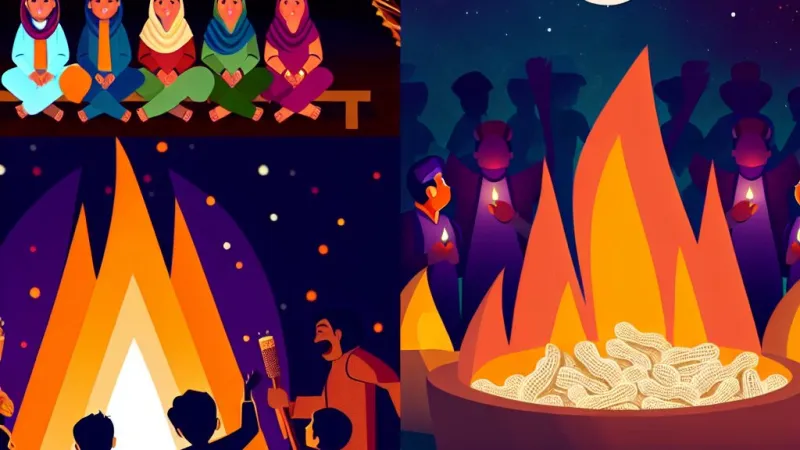
Lohri is a joyful harvest festival mainly celebrated in Punjab and northern India. It takes place on 13th January every year, marking the eve before Maghi. This festival welcomes the end of winter and cheers the arrival of longer days. Families thank nature and pray for good crops, health and happiness. In the evening, people light a big bonfire and gather around with neighbours. They offer til (sesame), gur (jaggery), popcorn and peanuts to the fire as symbols of gratitude. Folk songs, Bhangra and Giddha dances fill the night with music and energy. Children go door to door singing “Sundar Mundriye” and collect sweets and nuts. Lohri is also celebrated in other forms across India, like Makar Sankranti and Pongal. May Lohri bring warmth, unity and a rich harvest to everyone’s home!---
Extra Details for Senior Classes (Optional)
The story of Dulla Bhatti, a local Punjabi hero who helped villagers, is often remembered through Lohri songs. The next day, on Maghi, many people take holy dips and remember their ancestors for blessings. In towns and villages, colourful melas and fairs make Lohri even more special and lively.---
Cultural Context and References
Lohri, deeply rooted in the agrarian culture of Punjab, has evolved over centuries to become a symbol of community togetherness and gratitude. Villages across the Indo-Gangetic plains come alive with the sight of crackling bonfires as families, old and young, gather to celebrate nature’s bounty. Even the food served on Lohri—gajak, rewari, makki di roti (corn flatbread) and sarson da saag (mustard greens)—holds significance, reminding us of the crops that sustain life.Punjab’s folk music traditions enliven the atmosphere. The beats of dhol as people break into Bhangra or Giddha are not only entertaining but also a tribute to agricultural prosperity. Stories of brave Dulla Bhatti, who is hailed in the famous “Sundar Mundriye” song, teach children about generosity and standing up for what is right.
Similar harvest festivals like Bihu in Assam, Pongal in Tamil Nadu and Uttarayan in Gujarat blend India’s cultural diversity, yet all share the spirit of thankfulness for the earth’s gifts. By partaking in Lohri, families also celebrate new beginnings, bless newlyweds and newborns, and strengthen social bonds over laughter, food and traditions.
As the bonfire’s flames rise, Lohri reminds every Indian of warmth, renewal and the hope for golden fields in the coming year.
Rate:
Log in to rate the work.
Log in