Short Essay: 10 Lines About My Garden for Students
This work has been verified by our teacher: 15.01.2026 at 20:50
Type of homework: Essay Writing
Added: 15.01.2026 at 19:58
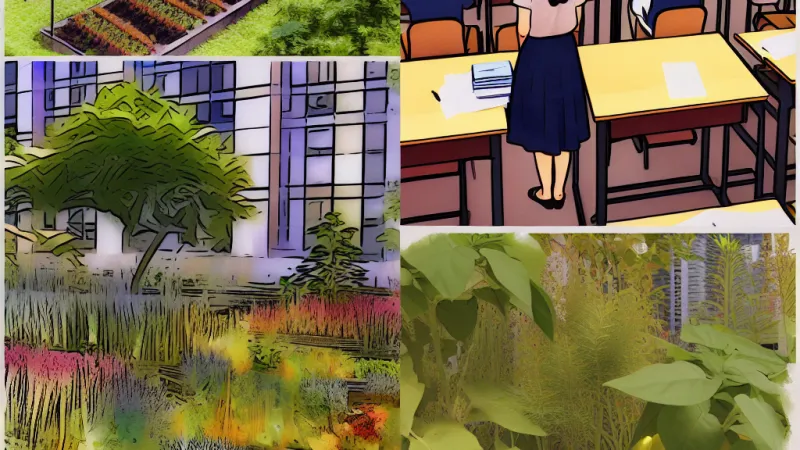
Summary:
Mój ogród to zielone miejsce w mieście, gdzie rosną rośliny, warzywa i kwiaty; sprzyja nauce, zdrowiu, środowisku i łączy moją rodzinę. 🌱
10 Lines on My Garden: An Essay
Gardens have always been spaces of great importance in Indian households, weaving together beauty, peace, and a deep connection with nature. From Tagore’s Shantiniketan to ancient temple courtyards brimming with Tulsi and Marigold, gardens have played a silent but pivotal role in our culture. My own little garden, right by our home in the bustling heart of the city, holds a special place in my heart. This green retreat is not merely an arrangement of plants and flowers, but a wellspring of learning, health, and environmental care—a miniature world where life blossoms in countless colours.
Description of My Garden
Location and Size
Our family garden fits into the small backyard space just outside our kitchen. Though we live in a city apartment, my father and I have cleverly converted the patch next to the service lane into a leafy oasis. The total area measures hardly fifty square feet, but with careful planning, every corner is well-utilised. It is just enough for a child to skip between flower beds and for an old man to stretch out on the cement bench with a newspaper.Natural Elements
What makes my garden enchanting is the sheer diversity of plants nestled within. The edges are fringed with bushy Jasmine and Hibiscus shrubs, their colours gleaming in the morning sunlight. At the centre, there is an ancient Tulsi plant—a symbol of purity and auspiciousness found in most Indian homes. Along the side fence, my mother grows coriander and pudina in neat earthen pots; their fragrance fills the air, especially after it rains. Seasonal vegetables like tomatoes, brinjals, and chillies are grown in recycled buckets, reminding us of the changing months. During winter, we sometimes get marigolds and bright pink periwinkles, while in the monsoon, the creepers thrive. Even in this limited space, our garden changes its attire with the season, never failing to surprise us.Man-Made Features
To make the garden more welcoming, we have placed a simple stone bench under the shade of a mango sapling. My younger sister’s favourite swing hangs from an old guava tree branch, and our cat has claimed a corner behind the compost pit. We have put up clay pots and bird feeders to attract sparrows—which are becoming rare in the city. For maintenance, we use basic tools like trowels and watering cans, and my father has fixed up a drip irrigation system made from discarded plastic bottles. These little touches make the garden not just a haven for plants, but for all of us.Environmental Benefits of My Garden
Air Purification
In a city choked by traffic and construction, our garden feels like an oasis of clean air. Plants naturally cleanse the atmosphere, absorbing carbon dioxide and releasing oxygen. I can always feel the difference when I step into our garden—the air feels cooler and fresher. This reminds me of what Dr. M.S. Swaminathan, the renowned Indian agricultural scientist, said about the importance of trees for improving urban air quality. The leafy cover helps in reducing airborne dust, and the Tulsi and Neem saplings are believed to have medicinal value, purifying the air further.Water Management
Mindful of water scarcity in our area, our family practices rainwater harvesting using an old drum placed beneath the garden’s shed. During the monsoon, we collect rainwater and use it to irrigate the beds. The drip irrigation system prevents wastage; we also reuse kitchen rinse water for the non-edible plants. My father often speaks about how farmers in drought-hit regions of Maharashtra use similar techniques to conserve water.Biodiversity Support
Our garden, though small, attracts a surprising number of guests. Butterflies hover around the zinnias, and bees regularly visit the lime flowers. The birdfeeders have even coaxed back a couple of sparrow families, making their nests in the bougainvillea. Growing native plants and staying away from chemical fertilisers help maintain this delicate balance of flora and fauna—much like the traditional agricultural fields of Kerala, where biodiversity is encouraged alongside crops.Health and Wellness Advantages
Physical Health
Working in the garden gives me more exercise than any gym could offer. Digging, planting, weeding, and watering build up my strength and keep my body flexible. Walking barefoot on the cool, moist earth in the mornings is a calming ritual, often recommended in yoga for its grounding benefits. Even my grandparents get their daily dose of movement while trimming the hedges or tending to the tulsi plant.Mental and Emotional Benefits
Time spent in my garden is deeply restorative. The soft sunlight, rustling leaves, chirping of birds, and the earthy aroma after rainfall ensure that my worries melt away. After school, sitting surrounded by greenery makes my mind calm, ready for study or prayer. This echoes the teachings of the Bhagavad Gita, which highlight the importance of harmony with nature for inner peace. The simple act of witnessing a seed sprout or a bud bloom fills me with joy and a sense of achievement—a reminder that life, too, unfolds patiently and beautifully.Educational and Social Value
Learning Opportunities
If education is about understanding the world, then gardens are the best open-air classrooms. Through observation and hands-on learning, I have picked up the basics of plant growth, seasonal changes, and the water cycle. Composting teaches us about recycling and care for Mother Earth, lessons emphasised in the Swachh Bharat Mission. My cousin, who studies in the local Kendriya Vidyalaya, comes over to do science projects in our garden, from making natural pesticides to identifying insects.Social Bonding
My garden is where my family gathers every evening for a cup of tea. Sometimes, neighbours join us for casual chats, or children from the apartment block come over for a game of hide-and-seek. These simple interactions nurture our community spirit. Gardening itself, which requires cooperation and shared responsibility, strengthens our family bond—each of us has a task, from watering to plucking, making it a cherished team effort.Challenges and Solutions in Maintaining a Garden
Common Challenges
Maintaining a garden in a cramped urban space is never easy. In summer, water shortage challenges our daily routines. Heavy monsoon rains can damage the tender saplings in an instant. Sometimes, pests attack the leaves, and plant diseases spread—especially fungal infections during the rains.Practical Solutions
Yet, we do not give up. We have made space by installing vertical planters on the wall, and most of our plants are now grown in recycled containers. For pests, my mother prepares a neem-oil spray that is both effective and non-toxic. To safeguard plants from too much rain, temporary covers are made with plastic sheets. Composting kitchen waste provides natural fertiliser, and by rotating crop varieties each season, we keep the soil healthy without using chemicals. These methods, simple yet effective, are similar to the sustainable practices used in community gardens across Indian cities, such as the terrace farming movement in Bengaluru.Vision for the Future of My Garden
Looking ahead, I wish to add more variety—perhaps corner plots for Tulsi, Aloe Vera, and even some medicinal plants like Brahmi. I dream of seeing creepers of Madhumalti blossoming over a wooden frame, turning the summer air fragrant. We are considering installing solar lights, so the garden glows at night as well. Along with my neighbour, I hope to start a ‘green club’ for children in our colony, nurturing the same love for nature in others. In a country striving for environmental balance, such shared spaces could become the heart of our communities.Conclusion
In summary, my little garden is more than just a collection of plants—it is a place where nature, learning, and family come together. Each flower, herb, and bird is a small miracle that reminds me of the beauty and wisdom in the world around us. Just as the poet Rabindranath Tagore drew inspiration from his ashram’s gardens, I too find peace and purpose among these living things. Gardens, whether big or small, show us the harmony possible between humans and the Earth. I hope every student, every child, and every household in India opens a window to the green, for in nurturing our gardens, we are truly nurturing ourselves and our future.Frequently Asked Questions about AI Learning
Answers curated by our academic expert team
What are the main points covered in 10 lines about my garden for students?
The ten lines cover the location, plants, environmental benefits, family involvement, challenges, and hopes for the future of my garden, highlighting its personal and educational value.
How does my garden provide environmental benefits according to the short essay?
My garden purifies air, conserves water through rainwater harvesting, and supports biodiversity by attracting birds, bees, and butterflies, creating a small ecological balance.
What types of plants are mentioned in 10 lines about my garden for students?
The garden features Jasmine, Hibiscus, Tulsi, coriander, pudina, vegetables like tomatoes and chillies, marigolds, periwinkles, and a mango sapling.
How does working in my garden improve physical and mental health as described in the essay?
Gardening provides exercise, strength, flexibility, and helps calm the mind, relieve stress, and promote inner peace through contact with nature.
What challenges are faced in my garden and how are they overcome according to the essay?
Challenges such as water shortages, pests, and limited space are solved with rainwater harvesting, neem-oil sprays, vertical planters, and composting.
Rate:
Log in to rate the work.
Log in