Naraka Chaturdashi: Origins, Rituals and Cultural Significance
This work has been verified by our teacher: 4.02.2026 at 14:07
Type of homework: Essay Writing
Added: 3.02.2026 at 12:45
Summary:
Explore the origins, rituals, and cultural significance of Naraka Chaturdashi to understand this key festival in India’s Diwali celebrations.
Naraka Chaturdashi: A Festival of Light, Purity, and Renewal
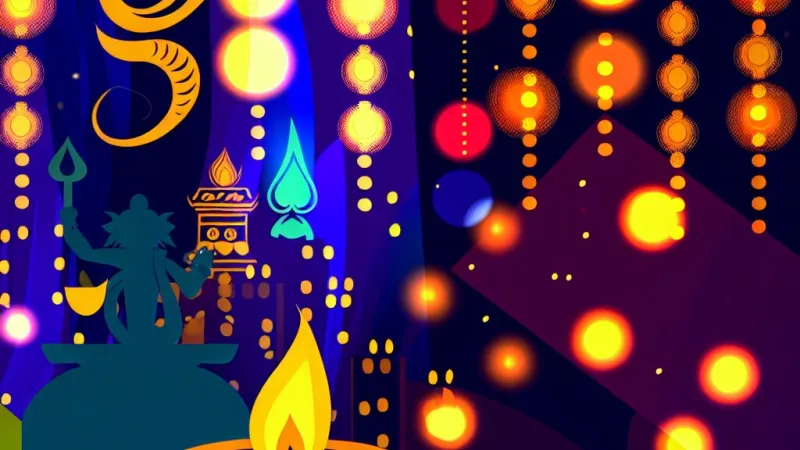
As the cool autumn air settles across the vast landscape of India, a kaleidoscope of lamps and colours unfurls in homes and streets alike. On the eve of Diwali, when hope flickers brightly and anticipation fills households, Naraka Chaturdashi—fondly called ‘Chhoti Diwali’ or ‘Small Diwali’—heralds the festival of lights with its own unique beauty and meaning. While many await the grand spectacle of Diwali night, it is Naraka Chaturdashi that truly marks the emotional and spiritual beginning of the celebration, preparing minds and hearts for the joyous days to come.
Nestled as the second day in Diwali’s five-day sequence, Naraka Chaturdashi not only bridges the past and the present but also refreshes the spirit with age-old rituals and profound symbolism. Its stories, customs, and lessons echo through Indian history, reminding us why this festival endures as a cherished tradition. This essay will delve deeply into the origins, practices, regional nuances, and broader cultural significance of Naraka Chaturdashi, illuminating its place in the Indian consciousness.
---
Historical and Mythological Background
Understanding the Name
The very name ‘Naraka Chaturdashi’ unfurls layers of meaning. ‘Naraka’ references the demon king Narakasura, whose legend is central to the festival; ‘Chaturdashi’ refers to the fourteenth day of the dark half of the Kartika month, according to the Hindu calendar. This day, preceding the new moon (Amavasya), is believed to be auspicious for dispelling evil.The Tale of Narakasura and Lord Krishna
Indian mythology has always served as a wellspring for moral lessons, and the story of Narakasura is no exception. According to sacred texts like the Bhagavata Purana (widely read in Indian homes), Narakasura was a powerful yet cruel king who spread fear and suffering. His tyranny over the people and gods alike caused immense distress. It was on Naraka Chaturdashi that Lord Krishna, accompanied by his consort Satyabhama, vanquished the demon after a fierce battle, thus liberating his captives and restoring peace. This victory—coming as light breaking through darkness—has become a symbol for the triumph of virtuous deeds over base inclinations.Role of Yama, the God of Death
Another facet of the day links to Yama Raja, the God of Death. In various parts of India, families rise before dawn to light lamps facing south—the direction associated with Yama—to request his protection and long life for loved ones. The lighting of diyas acts as both a greeting to Yama and an act of remembrance for departed ancestors, an important value in Indian households.The Deeper Symbolism
On a philosophical level, Naraka Chaturdashi stands as a metaphor for inner cleansing—the destruction not of mythic demons, but of our personal demons: anger, ignorance, jealousy, and negativity. The festival thus encourages self-reflection, mirroring the words of Indian saints like Kabir and Tulsidas, who often spoke of burning inner darkness through the ‘lamp’ of self-knowledge.---
Rituals and Customs Observed on Naraka Chaturdashi
Sacred Bath and Early Morning Rituals
Devotees rise before sunrise to engage in an elaborate ritual bath called ‘abhyanga snan’. This bath involves massaging one’s body with fragrant oils—such as til (sesame) oil—sometimes mixed with herbal powders. In Maharashtra and Tamil Nadu, elders pour oil over the heads of younger family members, imparting blessings for health and purity.The ritual is not merely about cleanliness but is thought to wash away past sins and prepare participants for a new beginning. Many households sequence these acts thoughtfully—elders bathe first, followed by the younger members—reflecting Indian respect for lineage and hierarchy.
The Glow of Diyas
As dawn approaches, rows of clay lamps (‘diyas’) illuminate courtyards, windowsills, and doors. Lighting these lamps is perhaps the most iconic visual ritual. Their soft, golden glow is both warm and symbolic—banishing the shadows of Narakasura’s legend and representing the soul’s triumph over ignorance. In Goa, effigies of the demon are even burnt in the streets, adding a folk-theatrical dimension to the symbolism.Prayers to Ancestors and the God of Death
In addition to prayers seeking Yama’s blessings for longevity and protection, families often light extra diyas to honour their ancestors, believing that the light might guide their souls and convey the family’s remembrance. It is a time to recall one’s roots, tying individuals back to a long, unbroken lineage.Festive Foods and Fasting
No Indian festival is complete without food. Naraka Chaturdashi is marked by the preparation of traditional sweets and snacks, differing by region: Maharashtra’s soft karanjis, South India’s rice-based adhirasam and vella appam, and North Indian delicacies like ladoos and kheer. Certain communities, particularly in Karnataka and Andhra Pradesh, observe fasts that are broken with this first meal post the ritual bath. The sharing of sweets is more than indulgence—it is an act of togetherness and joy.Regional Customs
The rich diversity of India is reflected in the way Naraka Chaturdashi is celebrated. In Karnataka, the burning of Narakasura effigies is central. In Kerala, the day is less prominent, while in Tamil Nadu, Diwali’s main festivities begin a day earlier with deepavali legiyam and new clothes. In Goa, the festival includes local theatre depicting the slaying of Narakasura. These variants showcase the adaptability and regional vibrancy of Indian traditions.---
Cultural and Social Significance
Light as a Symbol of Renewal
At its core, Naraka Chaturdashi embodies the eternal victory of light over darkness—not just in the physical sense, but as an invitation to cleanse the mind and heart. Indian philosophers like Swami Vivekananda taught that one must keep the ‘lamp of truth’ burning within, and Naraka Chaturdashi offers a collective opportunity for such reflection.Family and Community Bonding
The rituals are often led by elders, with younger generations observing, learning, and participating. In a society where the family unit forms the axis of social life, such rituals transmit cultural values and wisdom across generations. The shared bath, meal, and prayer reinforce social cohesion, creating an enduring sense of belonging.Emotional and Mental Impact
Surrounded by light and company, participants experience a collective upliftment. Rituals prescribed by Indian scriptures often act as psychological cleansers, providing hope and optimism before the grand Diwali night. This is why, even amidst rapid urbanisation, families strive to retain these rituals—a testament to their emotional resonance.Reverence for Ancestors
Paying respects to ancestors is integral to the festival, emphasizing samskara (cultural conditioning) and pitru rin (ancestral debt). This underlines the cyclical, interconnected view of existence cherished in Indian philosophy: our lives are made richer by remembering those who came before.---
Naraka Chaturdashi in Modern India
Urban and Rural Contrasts
In rural India, traditions retain much of their original form. Oil baths, family prayers, and simple home-lit diyas are the norm. In bustling cities, modern work schedules condense the rituals into the early morning hours; sometimes, time-honoured practices are adapted or abbreviated.The Impact of Consumerism
Festivals today grapple with commercialisation—advent of electric lights, firecrackers, and lavish gifts. While these add excitement, they sometimes overshadow the festival’s essence or harm the environment. There is a growing movement, especially among the youth, advocating for ‘green’ Diwali and focusing on spiritual values over material ones.The Digital Touch
Technology offers fresh means of observance—schools organise online competitions on Naraka Chaturdashi themes, and families, separated by cities or borders, gather over video calls to perform a joint diya-lighting. Social media platforms help revive and share stories, recipes, and regional practices, building cultural pride.Passing on Traditions
The onus lies with schools and families to transmit these customs to children. Educational initiatives like story sessions, classroom activities, and community workshops ensure that the festival’s message of renewal and righteousness is not lost amid rapid change.---
Naraka Chaturdashi in the Diwali Framework
Sequence and Place in Diwali
Diwali unfolds over five days: Dhanteras, Naraka Chaturdashi, Lakshmi Puja (the main Diwali night), Govardhan Puja, and Bhai Dooj. Naraka Chaturdashi sets the spiritual and physical tone—cleansing the self and home, so that one may truly receive the blessings of Goddess Lakshmi on Diwali night.Comparisons with Other Observances
Just as Bali Pratipada honours King Bali’s generosity or Govardhan Puja recalls Lord Krishna’s promise, Naraka Chaturdashi’s legend imparts lessons about justice and dharma—the value of conquering evil within and around us.Spiritual Themes
The day’s practices reinforce the Indian ideals of dharma (righteousness), karma (action), and renewal. Lighting the lamp is not just a ritual, but a vow to let the flame of virtuous living guide us through personal and social darkness.---
Conclusion
Naraka Chaturdashi glows not merely as a precursor to Diwali, but as a festival rich with history, metaphor, and togetherness. Through its legends, it urges us to conquer the darkness within; through rituals, it binds generations and communities; through its adaptability, it bridges the ancient and the modern.As we continue to light diyas every year—whether in small villages or high-rise apartments—we inherit a legacy that is both beautiful and profound. In the rush of everyday life, Naraka Chaturdashi invites us to pause, reflect, and rekindle the lamp of hope, wisdom, and compassion. Much like Lord Krishna’s victory so many millennia ago, may we, too, conquer our own ‘Narakasura’ and welcome Diwali with light in our homes and hearts.
Rate:
Log in to rate the work.
Log in