World Kidney Day: Why It Matters and How to Protect Your Kidneys
This work has been verified by our teacher: 4.02.2026 at 13:22
Type of homework: Essay Writing
Added: 3.02.2026 at 16:48
Summary:
Discover why World Kidney Day matters and learn effective ways to protect your kidneys for better health and early disease prevention in India.
Paragraph on World Kidney Day
Across the world, many health awareness days are observed, each shedding light on a unique aspect of human well-being. Among these, World Kidney Day stands out as a global initiative dedicated to the health of our kidneys—small, bean-shaped organs that have a huge impact on our lives. Celebrated every year on the second Thursday of March, this day encourages people to learn about, appreciate, and preserve the silent workhorses sitting in their lower back. In the context of India, with our rapidly changing lifestyles and increasing rates of diabetes and hypertension, observing World Kidney Day has become more critical than ever before.The Unsung Heroes: Understanding Our Kidneys
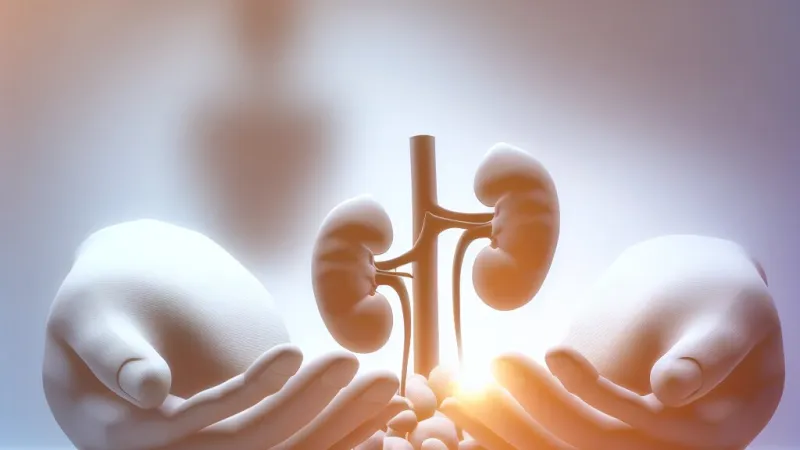
The kidneys are two fist-sized organs, each shaped like a rajma bean, nestled against the spine just below the rib cage. Though not as popular in conversation as the heart or brain, kidneys play many vital roles. Their primary job is to filter blood, removing toxins and waste through urine—a process so crucial that one common folk saying in many languages, including Hindi, equates good urine flow with good health. Our kidneys also maintain the delicate balance of water and salts (electrolytes) in our body, regulate blood pressure (often referred to as the body’s “silent killer”), aid in the production of red blood cells through a hormone called erythropoietin, and keep our body’s pH stable. In essence, life without healthy kidneys is unimaginable and would require constant medical support like dialysis.Why Do We Need World Kidney Day?
While kidney health is crucial, unfortunately, kidney diseases rarely cause symptoms until much damage has been done. According to Indian Council of Medical Research (ICMR), the prevalence of chronic kidney disease (CKD) in India is steadily rising, with lakhs of people suffering in silence and many diagnosed only when it’s too late. Such grim realities have pressed the need for a special day dedicated to kidneys—a day to collectively raise our voices, spread knowledge, and encourage early diagnosis. World Kidney Day, established in 2006 by the International Society of Nephrology (ISN) and the International Federation of Kidney Foundations (IFKF), addresses precisely this need. Over the years, the observance has turned into a global movement, with people from over 100 countries—including India—participating in activities to foster awareness about kidney diseases.Journey of World Kidney Day: From Idea to Global Movement
World Kidney Day’s journey began in the early 2000s, when rising kidney-related illnesses prompted global health experts to act. The ISN and IFKF envisioned a single day when communities worldwide would focus on the importance of kidney health. March was chosen for its symbolism as the onset of spring in many countries, signifying renewal—a metaphor for rejuvenating the world’s approach to kidney health. The logo of World Kidney Day, composed of intertwined blue and green kidneys, represents filtration and balance—a subtle but powerful reminder of the organ’s key functions.Every year, World Kidney Day adopts a different theme. Themes such as “Kidney Health for Everyone Everywhere” or “Living Well with Kidney Disease” reflect current priorities—be they increasing health equity, promoting early diagnosis, or supporting patients on dialysis. These themes are relevant to India, where many people, especially in rural areas, may not even be aware of kidney diseases or their risk factors.
Kidney Diseases in India: Understanding the Challenges
In India, thousands of new CKD cases are reported every year. The most common causes include diabetes (madhumeh) and high blood pressure (uchcha raktachap), both increasingly common in Indian cities and towns due to sedentary lifestyles and unhealthy diets. Other culprits are recurrent urinary tract infections (UTIs), kidney stones (pathri)—often attributed to insufficient water intake and high consumption of salty, processed foods—and misuse of painkillers and certain traditional medicines. There is also a genetic aspect: conditions such as polycystic kidney disease can affect families for generations.Unfortunately, myths abound. Many believe only the elderly get kidney disease, or that one healthy kidney is enough to live without precautions. In reality, kidney diseases can affect anyone, including children, and losing one kidney puts more strain on the remaining one. Symptoms like tiredness, swelling in legs or eyes, frothy or reduced urine output are often ignored until the disease is advanced.
What Happens on World Kidney Day?
World Kidney Day is marked by a range of activities both at the community and hospital levels. In Indian schools, essay writing and painting competitions are held to sensitise students about kidney health; colleges often organise health talks and rallies. Hospitals run free camps for blood pressure and urine analysis—simple tests that can catch kidney issues early. Non-governmental organisations (NGOs) arrange street plays in multiple languages, pamphlet distribution, and counselling sessions, especially in semi-urban and rural areas. Media outlets air expert interviews in Hindi, Tamil, Bengali, and other regional languages; social media is abuzz with hashtags and stories of survivors. The Government of India, alongside private hospitals, promotes kidney donation drives—another vital aspect, as lakhs of patients wait for life-saving transplants every year.Prevention: The Best Medicine
The intent behind all these efforts is clear: prevention is better than cure. Leading nephrologists like Dr. Vidya Acharya, one of the pioneers of nephrology in India, have always stressed on regular health check-ups, especially for high-risk groups such as diabetics and hypertensives. Drinking plenty of water—an age-old piece of advice from both our grandmothers and Ayurveda—remains important, except for those with certain kidney conditions. Diet moderation, avoiding excess salt and processed foods, and engaging in physical activity like yoga or a daily walk (so favoured in Indian culture) all play a part in keeping kidneys healthy.Public health initiatives such as “Ayushman Bharat” now also include financial support for costly treatments like dialysis, ensuring that lack of resources does not deny anyone the right to health. Notably, “Pradhan Mantri National Dialysis Programme” has tried to set up centres even in small towns, though much needs to be done, especially when it comes to organ donation awareness—only a fraction of Indians volunteer for kidney donation, and myths often hold people back.
Real Stories, Real Impact
The story of Arunima Sinha—the world’s first woman amputee to scale Mount Everest—comes to mind, not because she had kidney disease, but because her journey shows that determination and proactive health checks can help one overcome any physical obstacle. Many kidney warriors in India, young and old, have used World Kidney Day to share their stories—how a routine check-up saved them, or how a supportive family helped them during dialysis or after a transplant. Their testimonies, shared through newspapers, social media, and community meetings, inspire others to not ignore early symptoms and take timely action.The Responsibility Is Ours
Just as Mahatma Gandhi said, “It is health that is real wealth and not pieces of gold and silver,” the onus of protecting our kidneys begins with us. Whether it is a student choosing nimbu pani over cold drinks, or an adult opting for less salt in their dal, or a family encouraging an elder to get regular check-ups, every small act builds towards a healthier community. Schools can include kidney health in their curriculum; families can talk openly about organ donation; societies can support those on dialysis, breaking the silence around kidney diseases.Conclusion
World Kidney Day serves as a yearly wake-up call to pause and reflect on something our bodies do ceaselessly and often without our knowledge. Given India’s rising urbanisation and changing lifestyle habits, the risk of kidney diseases is silently but steadily growing. By coming together—students, families, doctors, and policymakers—we can make kidney health a priority. Early detection, healthy living, and breaking long-held taboos around kidney disease and organ donation can save not just individual lives but also lighten the burden on our national healthcare system. Let us pledge on this World Kidney Day to take care of our own kidneys and spread awareness so that our families and communities can enjoy the priceless gift of good health.*Remember: Kidney health for everyone, everywhere, starts with you—so make that check-up appointment this March and encourage others to do the same!*
---
Writing Tips: Use language that is clear, conversational, and rooted in Indian examples, as seen above. Avoid complicated medical terminology, or explain it in simple words. Use transitions like “in addition,” “unfortunately,” and “moreover” to maintain flow. You may also refer to data from NHB, ICMR, or local health bodies if available, and always emphasise the message: awareness, early detection, prevention, and community action are our best defences against kidney diseases.
Rate:
Log in to rate the work.
Log in