10 Simple Lines on Aeroplanes for Secondary School Essays
This work has been verified by our teacher: 24.02.2026 at 11:28
Type of homework: Essay Writing
Added: 21.02.2026 at 6:20
Summary:
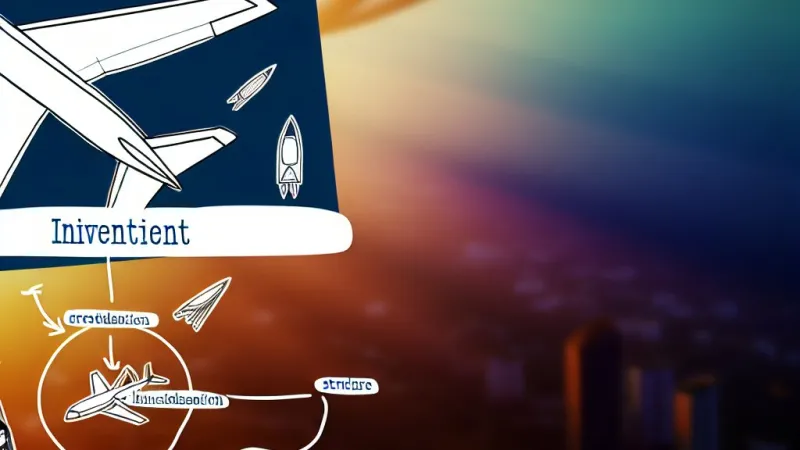
Explore 10 simple lines on aeroplanes to learn their invention, structure, and role in India’s aviation, perfect for secondary school essays and homework help. ✈️
10 Lines on Aeroplane: A Comprehensive Essay
Aeroplanes are among the most fascinating inventions of the modern world. As symbols of human ingenuity, they have not only changed the way we travel but have also inspired countless dreams about flying. In this essay, I will attempt to explore the world of aeroplanes through ten detailed lines, touching upon their invention, working, roles in our lives, and their presence in India’s own growing aviation story. Each line is elaborated upon with references and examples familiar to students in Indian classrooms.---
Introduction: Humans and the Dream to Fly
Long before aeroplanes soared across the skies, people in India and around the world looked up at the birds and imagined the thrill of flight. Our ancient texts, like the Ramayana, mention the Pushpaka Vimana, a mythical flying chariot. Though such tales were legendary, they reflected mankind’s wish to break free from the boundaries of the land. With the invention of the aeroplane, what was once only part of our imagination became a reality. Today, aeroplanes carry millions of people and tonnes of goods every single day, connecting cities, countries, and even continents. Children often look up at the sky and wonder how such giant machines stay aloft, making the study of aeroplanes engaging for students of all ages.---
1. Origin and Invention of the Aeroplane
The idea of taking to the skies has captured minds worldwide for centuries. Right here in India, ancient accounts of flight are found in epics and folklore. However, it was much later, after years of experimenting and observing birds, that humans first managed powered flight. The credit for the first successful aeroplane generally goes to Wilbur and Orville Wright, the Wright Brothers, who flew their plane on 17th December 1903 in Kitty Hawk, USA. Although this event happened abroad, its effects quickly spread across the world, including India. Not long after, in 1910, the French aviator Henri Pequet flew the first airmail flight from Allahabad to Naini, making India an early participant in aviation history.---
2. Basic Structure and Parts of an Aeroplane
A modern aeroplane is a marvelous combination of many carefully designed parts, each serving a specific purpose:- Fuselage: This is the long, main body where passengers and cargo are placed. - Wings: The most distinctive feature, wings generate lift, allowing the plane to rise off the ground. Their shape often reminds children of birds. - Engines: Typically mounted on the wings or under them, engines create the thrust needed to move the aircraft forward. - Tail (Stabiliser): The tail section helps keep the plane steady while flying, just like how a fish’s tail helps it steer. - Landing Gear: These wheels support the aeroplane on the ground during take-off, landing, and taxiing.
Each part must work perfectly with the others—a wonderful example of teamwork, much like the coordinated efforts we see during mass drills in Indian schools.
---
3. Types and Sizes of Aeroplanes
Not all planes are alike. Just as we see a variety of vehicles on our roads—cycles, scooters, buses—aeroplanes too come in many forms:- Passenger Planes: Aircraft like the Airbus A320 and Boeing 737 carry people from one city to another. In India, airlines like IndiGo and Air India operate hundreds of these flights daily. - Cargo Planes: These are built to carry goods. During the COVID-19 pandemic, for example, cargo planes helped transport essential supplies to remote areas. - Military Aircraft: The Indian Air Force uses fighter jets like the Tejas and Sukhoi Su-30MKI to defend our nation’s skies. - Private Jets and Small Planes: Owned by companies or wealthy individuals, these are also used for pilot training and charter services.
Some passenger jets, such as the Airbus A380, can carry more than 800 people at a time, while smaller planes might seat just 2 or 4.
---
4. How Do Aeroplanes Fly?
The science behind flying may sound complicated, but it can be simply explained. Four main forces act on an aeroplane:- Lift: Created by the wings as air moves over and under them, this force pushes the aeroplane up. - Thrust: Provided by the engines, moving the plane forward. - Gravity: Pulls the aeroplane downward. - Drag: The resistance caused by air against the plane’s motion.
Pilots steer the plane using controls in the cockpit that adjust the wings, tail, and rudder—just as you steer your cycle during morning rides.
---
5. Aeroplanes and Airports
Aeroplanes need special places called airports to take off and land safely. Airports have:- Runways: These are long, flat strips where planes speed up to take off and slow down after landing. For example, Indira Gandhi International Airport in Delhi has some of the busiest runways in India. - Hangars: Huge sheds where planes are cleaned, checked, and repaired. - Air Traffic Control (ATC): Skilled controllers work here to guide planes so they do not bump into each other, much like traffic police guiding vehicles at busy crossings.
---
6. Speed and Efficiency
Travelling by aeroplane is the quickest way to cover long distances. For instance, a train journey from Mumbai to Kolkata can take over 25 hours, but a plane covers the same route in less than three hours. Most commercial planes fly at speeds of around 900 kilometers per hour, making them far faster than any train or car. This remarkable speed has made air travel the first choice for business professionals, tourists, and even medical emergencies.---
7. Uses of Aeroplanes
Aeroplanes serve multiple important roles, including:- Passenger Transport: Taking people across cities, states, and abroad—many students now take their first flight during holidays. - Cargo and Airmail: Fast delivery of everything from online shopping packages to vital medicines. - Emergency Services: During disasters like floods or earthquakes, aeroplanes and helicopters bring relief materials and rescue teams quickly. The Indian Air Force often leads in such missions. - Special Roles: Aerial surveys for mapping, spraying crops against pests, and fighting forest fires are some unique uses.
---
8. Pilots and Crew: The People Behind Safe Flights
An aeroplane does not fly itself. Highly trained pilots and co-pilots sit in the cockpit, operating a complex system of controls. In India, inspiring figures like Sarla Thukral, the country’s first female pilot, and Air Marshal Arjan Singh, contribute to aviation history. Apart from pilots, flight attendants ensure safety and comfort for passengers, and ground staff take care of everything behind the scenes, from guiding planes to handling luggage.---
9. Advantages and Disadvantages of Aeroplane Travel
Like any technology, aeroplanes bring both benefits and challenges.- Advantages: - They save time and help connect distant parts of our country and the world. - Boost trade and tourism, making it easier for people to explore new places. For example, the rise of budget airlines in India has enabled even middle-class families to plan vacations in cities like Goa or Kochi. - Disadvantages: - Air tickets can be expensive compared to train or bus fares. - Aeroplanes use a lot of fuel, affecting the environment. - Weather conditions, like fog in Delhi winters or monsoon thunderstorms in Mumbai, can disrupt flights and cause delays.
---
10. Aeroplanes in the Indian Context
India’s aviation industry has grown rapidly over the past decades. Cities like Delhi, Mumbai, and Bengaluru have world-class airports. Indian-born pilots, engineers, and air hostesses are now sought after globally. Civil aviation was once considered a luxury, but now, with schemes like UDAN (“Ude Desh ka Aam Naagrik”), even people living in smaller cities and towns are getting connected by air. Flying, once a dream, is now becoming a part of everyday life for many Indians.---
Conclusion
Aeroplanes have changed our world in ways we could only have dreamed of a hundred years ago. From ancient stories of flight in our mythology to today’s busy airports in all major cities, mankind’s desire to fly has led to a revolution in travel, trade, and communication. As we admire planes streaking across the sky, we should also recognise the spirit of innovation and the teams that keep us safe in the air. Learning about aeroplanes can spark interest in science and engineering, and one day, some of us may even shape the future of aviation!---
Tips for Students Interested in Writing About Aeroplanes
If you want to write your own essay about aeroplanes, start by noting basic facts, such as parts of an aircraft or famous landmarks in Indian aviation. You can also draw or paste pictures of different aeroplanes, or share your own flying experiences, like your first visit to the airport. Adding interesting nuggets—such as “Indigo carries more domestic passengers than any other airline in India”—can make your essay memorable.---
FAQ: Aeroplane Curiosities
- Who was India’s first female pilot? Sarla Thukral, who flew at age 21.- Which is India’s busiest airport? Indira Gandhi International Airport, Delhi.
- How do planes fly? By balancing lift, thrust, gravity, and drag.
- What is the role of air traffic control? To manage the safe movement of planes on ground and in the air.
- Which Indian aircraft are famous? The HAL Tejas fighter jet and the Saras light transport aircraft, both developed in India.
---
Learning about aeroplanes is not just about machines in the sky, but about people, ideas, and dreams taking wing—an essential part of our modern Indian story.
Rate:
Log in to rate the work.
Log in