The Beggar by Anton Chekhov: Summary and Key Word Meanings for Class 9
This work has been verified by our teacher: 16.03.2026 at 15:31
Type of homework: Essay Writing
Added: 13.03.2026 at 9:37
Summary:
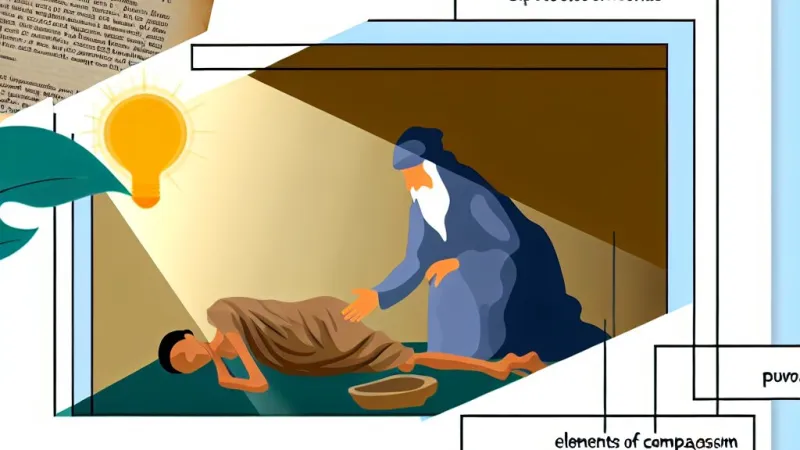
Explore a clear summary and key word meanings of The Beggar by Anton Chekhov for Class 9 students, highlighting its themes of compassion and hope.
A Detailed Study of ‘The Beggar’ – Transformation, Compassion, and Hope
---“The Beggar” by Anton Chekhov is an insightful story included in the Class 9 English curriculum, presenting a remarkable journey of transformation through the themes of kindness, dignity, and hope. In a society where people in need are mostly ignored or looked down upon, this tale stands out by highlighting how empathy and support can alter the course of a person's life. The narrative is not just about a man forced into begging due to his circumstances but about the subtle, invisible powers of compassion and meaningful intervention. For Indian students, this story resonates deeply, as our country too grapples with poverty, social divisions, and the challenge of uplifting the less fortunate. In this essay, I aim to provide a comprehensive summary of the story, analyse its prominent characters, explore the underlying themes, clarify challenging words, and discuss the moral and practical lessons that the story imparts.
---
I. Setting the Context
“The Beggar” is set in Russia, but its social fabric is so universal that Indian readers can easily relate. The story reflects the socio-economic divisions seen in any society, including ours. Beggars, both in Russian cities and on Indian streets, are often reduced to invisible members of society, suffering from poverty, addiction, and a lack of respect. Alcohol addiction, a central issue in Lushkoff's life, remains a relevant problem in modern India, affecting not only the individuals but their families too. The key characters – Lushkoff (the beggar battling inner and outer demons), Sergei (an advocate representing the educated, privileged class), and Olga (the cook, symbolising the ordinary person with extraordinary compassion) – are easy to find in our neighbourhoods as well, making the story not just a Russian tale but a universal life lesson.---
II. Detailed Summary of the Story
The story opens with Lushkoff, a former school teacher who has fallen to begging as a result of his struggles with alcoholism and joblessness. He approaches Sergei, an advocate, outside a theatre, spinning a believable story about needing money to reach his province. Sergei, however, recognises the lies and addresses Lushkoff sharply, questioning him about his various fabricated stories. Instead of simply brushing him off or giving him money, Sergei offers him work: chopping wood at his house.Although the offer is harsh, Sergei is not cruel; he wishes to restore Lushkoff’s self-respect through honest work. A frail and shivering Lushkoff is led to Sergei’s home, where the cook, Olga, initially shouts at him for his laziness but soon does the work herself while Lushkoff sits weakly by. Even so, when Sergei pays him, Lushkoff shows a spark of gratitude and promises to come again, beginning a new phase of his life.
This pattern repeats over months. Whenever Lushkoff appears, Sergei finds him odd jobs, from shovelling snow to cleaning furniture. During these visits, Olga’s tough love – her scolding mixed with genuine concern – strengthens, acting as a silent force behind Lushkoff’s slow, steady transformation. He gradually ceases to drink, appears more presentable, and ultimately, when Sergei judges that menial work is no longer suitable, he writes a letter of recommendation for Lushkoff, helping him secure a position as a notary.
Years later, Lushkoff, now reformed and earning well, returns to thank Sergei for his generosity. In a beautiful twist, he reveals that it was Olga’s selfless actions and emotional persuasion – not Sergei’s charity – that ignited the real change in him. This moment brings the story full circle, showing that often, quiet acts of kindness leave the deepest impact. The story concludes with an atmosphere of hope, symbolising that anyone, regardless of their starting point, can rise and reclaim dignity with timely support.
---
III. Character Analysis
1. Lushkoff – The Beggar
Lushkoff represents millions of marginalised individuals in society – desperate, lost, and occasionally dishonest out of compulsion. Once a teacher, his descent into alcoholism and destitution reflects the social structures that often fail the vulnerable. Through the arc of the story, his transformation from a broken beggar to a respected notary is both realistic and inspirational. His struggles, shame, and gradual regaining of self-worth echo the journeys of figures in Indian literature like Shambhu, the coachman from Premchand’s stories, who also faces adversity with dignity. Lushkoff’s change comes not from lectures but from kindness, demonstrating that even those considered ‘hopeless’ have potential if someone believes in them.2. Sergei – The Advocate
Sergei, standing for the privileged and educated class, is neither harsh nor blindly charitable. His approach balances reason with empathy. Instead of handing out coins and perpetuating Lushkoff’s dependency, he offers a chance to work, thereby giving him an opportunity to reclaim purpose. Sergei is patient and consistent, much like the character of the mother in Rabindranath Tagore’s short story “Kabuliwala,” who, by her simple acceptance and understanding, uplifts the life of the Afghan vendor. Sergei’s greatest success, however, is realising when Lushkoff is ready for greater responsibilities and not hesitating to help him move forward.3. Olga – The Cook
Olga is perhaps the most touching character. Her scolding blends with concern; her actions, seemingly minor, build a safe space for Lushkoff. She is the kind of caregiver every society needs – someone who goes beyond duty out of pure humanity. Her role reminds us of the motherly figures in tales by Sudha Murthy, whose characters often influence change with warmth and patience, not force. Olga silently does the work for Lushkoff, yet never boasts or expects gratitude, proving that true acts of goodness are often unacknowledged but deeply effective.---
IV. Themes Explored in the Story
1. Transformation and Redemption
At its heart, “The Beggar” is about the possibility of change. Lushkoff’s rise out of addiction and despair to self-reliance proves that redemption is accessible to all, regardless of their past. This mirrors the messages found in Saadat Hasan Manto’s stories, which illuminate the capacity for transformation even among society’s most lost individuals.2. Compassion and Empathy
While people frequently offer pity to beggars, Chekhov warns us that empathy – understanding and acting to relieve suffering – produces real results. The difference between charity (giving money) and kindness (offering opportunities) is clearly drawn. Small gestures, as shown by Olga’s care and Sergei’s offers of work, can build self-esteem, much as Gandhiji taught through his personal example of engaging in manual work and encouraging self-reliance.3. The Power of Work
The story upholds work as dignified, irrespective of type. Providing meaningful employment, as opposed to handouts, fuels confidence and growth. India’s own National Rural Employment Guarantee Scheme (NREGA) is based on a similar idea, emphasising the dignity of labour. Lushkoff’s pride in his notary job, compared to his earlier dependence, exhibits this principle vividly.4. Overcoming Social Stigma
Beggars and alcoholics often face scorn and exclusion. Chekhov challenges this, asking readers to look past labels and see the person within. In India, social movements by leaders like Dr B. R. Ambedkar stressed the need to break such prejudices and emphasise equal opportunity and respect.---
V. Language and Word Meanings (for Class 9 Students)
Chekhov’s story includes several words and terms that may be new:- Advocate: A person who argues cases in court (e.g., “Sergei was an advocate by profession.”) - Notary: An official who certifies documents (e.g., “Lushkoff became a notary earning 35 roubles a month.”) - Sobriety: The state of not being drunk; seriousness (e.g., “Sobriety restored Lushkoff’s dignity.”) - Copecks: Small units of Russian currency, like ‘paise’ compared to rupees.
Knowing these words will not only help you understand the story but also enhance your general vocabulary for exams and daily life. Try using each word in a sentence of your own to make them stick.
---
VI. Moral Lessons and Life Skills
“The Beggar” imparts valuable lessons – the importance of supporting others with respect, the power of persistence, and faith in human goodness. It motivates us to be kind but also practical, to believe in the transformative power of work, and never to judge someone by their hardest circumstances. For Indian students, this means practising empathy, contributing positively, and developing patience and open-mindedness. These are essential skills for living harmoniously in the diverse fabric of India.---
VII. Tips for Students to Analyse the Story
- Notice Change: Track how Lushkoff’s behaviour and appearance alter over time. - Think Motives: Ask why Sergei chooses to help, and why Olga is so involved. - Social Message: Reflect on what Chekhov says about society’s responsibilities. - Summarise: Try writing the story in your own words for better retention. - Pick Quotations: Mark sentences that deeply impact you and explain their meaning. For example, “It was your cook, Olga, who saved me.” - Answering Questions: Practise sketching character portraits, explaining central themes, and discussing vocabulary as is often asked in CBSE or ICSE board exams.---
VIII. Conclusion
In essence, “The Beggar” is a simple yet profound story demonstrating how kindness, combined with opportunity, can transform lives. Neither poverty nor past mistakes define a person forever – everyone deserves a second chance. Even today, in the bustling lanes of our cities or the corners of our villages, the story urges us to choose empathy over indifference. It is up to each of us to be a Sergei or an Olga for someone in need. If we carry forward Chekhov’s message, our society can become more just, compassionate, and hopeful for all.---
IX. Additional Activities (Optional)
- Write a diary entry as Lushkoff, describing your feelings after finding a new job. - Stage a role-play where Sergei confronts Lushkoff or Olga encourages him. - Prepare a short speech on “How kindness can change society.” - Host a group discussion in class on the responsibilities of privileged citizens towards the less fortunate.---
In reading and reflecting on “The Beggar,” we not only grow as literature students but also as sensitive and responsible citizens of India.
Rate:
Log in to rate the work.
Log in