Key Points on National Integration: Unity and Harmony in India
This work has been verified by our teacher: 25.03.2026 at 16:04
Type of homework: Essay Writing
Added: 23.03.2026 at 6:56
Summary:
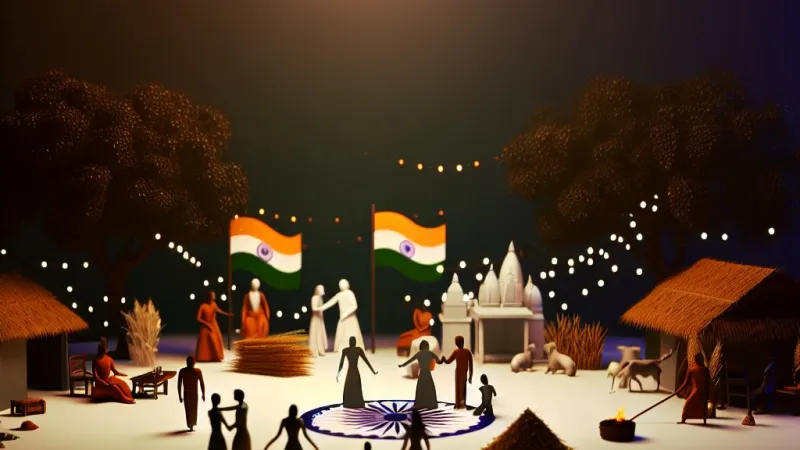
Explore key points on national integration in India and learn how unity and harmony strengthen the country's social and cultural fabric effectively.
National Integration (Rashtriya Ekta): The Pillar of India’s Togetherness and Progress
National Integration, or ‘Rashtriya Ekta’, is the invisible yet powerful thread that holds together the vast and colourful tapestry of our country. It is far more than just having the same passport or being on the same map; it is the sense of belonging, emotional connect, and social cohesion amongst people, regardless of their caste, language, religion, or region. In the Indian context, where diversity is not just a fact but a celebrated reality, the significance of national integration cannot be overstated. Our country is home to more than twenty official languages, hundreds of regional dialects, scores of faiths, and countless traditions. Amid such variety, the need for unity is essential for maintaining internal peace, stability, and development. In essence, National Integration is the very foundation upon which India’s democracy, harmony, and progress stand. Without it, India’s strength and societal fabric are always at risk of falling apart.
---
Historical Background and the Growth of National Integration in India
India’s journey with integration did not begin with the modern nation-state; its roots run deep into antiquity. The age-old ideology of *Vasudhaiva Kutumbakam*—the world is one family—found in ancient Hindu scriptures, advocated universal brotherhood and harmony. Empires such as the Mauryan and Gupta demonstrated a certain unity in administration, law, and culture, binding together large swathes of the subcontinent.However, the British colonial era posed powerful obstacles to integration. The colonial policy of ‘Divide and Rule’ deliberately sowed seeds of discord—along lines of religion, caste, and community. Communal tensions increased as rulers played Hindus against Muslims, and North against South. Yet, the dark clouds of colonialism also gave birth to a forceful movement of Indian unity. The Revolt of 1857, often called the First War of Independence, was a rare occasion when Indians of diverse backgrounds united in common purpose. Later, the Non-Cooperation Movement and the Quit India Movement led by leaders such as Mahatma Gandhi and Jawaharlal Nehru made national unity their cornerstone. Even after Independence, Sardar Vallabhbhai Patel’s role in integrating princely states signified the importance of unification. The framing of the Indian Constitution, with its steadfast focus on secularism, equality, and federalism, laid a road map for enduring national integration.
---
Key Facets of National Integration
Rashtriya Ekta is multi-dimensional—it is not one, but a symphony of social, cultural, political, and economic threads woven together.Social Integration
At its core is the idea that every Indian, regardless of caste, religion, or ethnicity, belongs to one nation. Social integration casts aside the chains of untouchability, casteism, and communal rivalry. Efforts towards reservation for Scheduled Castes and Tribes, and campaigns for communal harmony, have all aimed at bridging social divides.Cultural Integration
If there is one evidence of national integration visible in daily life, it is in our celebration of countless festivals—Diwali, Eid, Christmas, Baisakhi, Onam, and many more—everywhere, by everyone. Bollywood, cricket, and cuisine have played their own vibrant roles in creating a shared cultural space. Doordarshan’s famous “Mile Sur Mera Tumhara” song is a classic example, reminding us that “Bharat ek hai”—India is one.Political Integration
India’s democratic structure ensures every voice counts. Be it Panchayati Raj at the village level or representation in Parliament at the highest, the political system is designed for inclusiveness. The Constitution, with its symbols like the national flag and anthem, creates a sense of shared belonging and political unity.Economic Integration
Economic integration means opportunities are open to all. Government schemes like the Pradhan Mantri Gramin Sadak Yojana or the Goods and Services Tax (GST) enact policies that connect regions through trade, infrastructure, and shared markets. Programmes for skill development and rural employment also aim at bridging gaps between rich and poor states, fostering a sense of shared progress.---
Challenges to National Integration
Despite best intentions, achieving full national integration remains an ongoing challenge.Communalism and Religious Tensions
History is replete with tragic examples—Partition riots, Godhra train incident, or the more recent Delhi violence. Misinformation, polarisation, and radicalism can quickly disrupt hard-won unity.Caste Discrimination and Social Inequality
Despite constitutional safeguards, caste-based prejudices linger in rural and urban India, depriving many of dignity and opportunity. Social reformers from Dr. B.R. Ambedkar to Periyar have fought against these evils, but the journey is not yet complete.Language and Regional Issues
Language-based identity can both unite and divide. The anti-Hindi agitations in Tamil Nadu or movements for statehood in Telangana and Gorkhaland point to the delicate balance between regional pride and national integration.Economic Disparities
Uneven economic growth—prosperous metropolitan centres versus poor hinterlands—gives rise to resentment and even insurgency, as seen in the Naxal-affected regions.Terrorism and Threats to National Security
Anti-national forces, both within and outside the country, often attempt to disturb the peace and unity of India through terrorism and subversive activities. Incidents in Jammu & Kashmir, the Northeast, or attacks like 26/11 in Mumbai, reinforce the crucial importance of unwavering national vigilance.---
The Role of Education and Youth in Advancing National Integration
Education is not just a means to get a job, but a tool to create good citizens. Textbooks, debates, assemblies, and co-curricular activities from early schooling must teach respect for diversity and inculcate empathy. The CBSE and NCERT textbooks, for instance, highlight tales of pluralism and harmony.On occasions such as National Unity Day (Rashtriya Ekta Diwas) in honour of Sardar Patel, youth organise rallies, take pledges, and participate in cultural events. Student exchange programmes, like those facilitated by the National Service Scheme (NSS) or Bharat Scouts and Guides, expose young people to varied cultures and break stereotypes.
In the digital age, the power of social media can be a double-edged sword. However, many youth are using YouTube, Instagram, and Twitter to spread messages of tolerance and positivity, challenging hate speech and fake news.
---
National Integration and Indian Progress
A united nation is a strong nation. National integration ensures peaceful coexistence, smooth elections, and a vibrant democracy. It paves the way for economic growth, as markets, labour forces, and industries operate seamlessly across state borders. Social harmony assures investors, encourages entrepreneurship, and fosters innovation.On the international scene, India’s unity acts as a deterrent to external threats and amplifies her voice in global affairs. Our soldiers, drawn from every region and religion of the nation, stand as the truest symbols of Rashtriya Ekta, defending our sovereignty with their lives.
---
Strategies to Strengthen National Integration
How do we protect and nurture Rashtriya Ekta?1. Inclusive Policies: Enforce strict laws against discrimination and ensure equal opportunities without bias. 2. Cultural Harmony: Encourage schools, media, and the government to celebrate festivals and traditions from different communities. 3. Multilingualism: Promote teaching and learning of regional languages alongside Hindi and English, respecting linguistic diversity. 4. Balanced Development: Target government schemes and special funds to backward regions, ensuring no group is left behind. 5. Responsible Media: Encourage media to highlight stories of unity, not conflict, and educate against fake news or divisive propaganda. 6. Active Citizenship: Involve people at all levels in decision-making, and organise nationwide events and rallies, such as Unity Runs or communal meals (*sadhbhavana bhoj*), to foster direct emotional bonding.
---
Rate:
Log in to rate the work.
Log in