Embracing Simple Living and Higher Thinking: A Guide for Students
This work has been verified by our teacher: 3.05.2026 at 12:24
Type of homework: Essay Writing
Added: 1.05.2026 at 12:17
Summary:
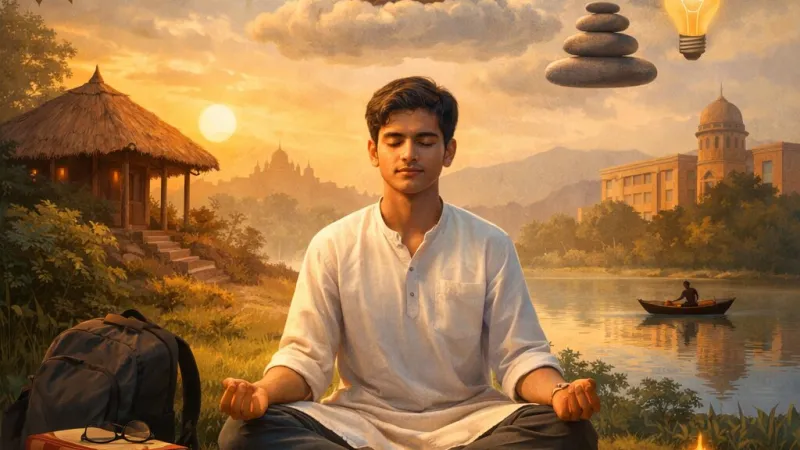
Discover how embracing simple living and higher thinking can help students cultivate mindfulness, wisdom, and balance for personal and academic growth in India 📚
Simple Living, Higher Thinking: An Indian Perspective
The phrase “Simple Living, Higher Thinking” stands as both a timeless principle and a practical way of life, especially in the Indian context. In a society that has witnessed tremendous transformation—from the wisdom-filled ashrams of ancient rishis to the bustling cities of the digital age—this philosophy resonates deeply. While the allure of material success and conspicuous consumption has only increased in modern times, it is precisely now that the virtues of simplicity and thoughtful living have become ever more significant. Through Indian literature, the stories of national icons, and our day-to-day experiences, the spirit of simple living blended with elevated thinking offers a road map not just to individual well-being but also to societal prosperity. In this essay, I will probe the core meanings of “simple living” and “higher thinking,” examine how they interact, discuss their relevance for today’s youth, and explore how they have shaped the lives of India’s admired leaders.
---
Understanding Simple Living
At the heart of simple living lies the principle of moderation—consuming only what is necessary, minimizing waste, and cherishing essentials above luxury. Simple living is not deprivation; rather, it’s about making wise choices that nurture contentment. The old adage “Less is more” embodies this perfectly. For a student, this might mean focusing on learning over showy gadgets, or walking or cycling to school rather than craving the latest bike.Indian culture’s respect for simplicity is as old as its civilisation. In the Upanishads and the teachings of various gurus, restraint is praised as the path to inner peace. Swami Vivekananda, for example, traveled across India with just a couple of sets of clothes, focusing his energies on service and spiritual pursuits. Similarly, Jainism and Buddhism, both born in Indian soil, put forth the virtues of aparigraha (non-possessiveness) and detachment from material desires. Mahatma Gandhi may be the modern era’s most vocal and powerful advocate of simplicity—he spun his own cloth, ate simple food, and championed “plain living and high thinking” in both his public and private life.
In everyday affairs, simple living could mean mindful consumption—refusing a plastic bag, reusing notebooks, or sharing what we have instead of hoarding. It is the practice of being grateful for what is available, instead of constantly wanting what we don’t have. In a time when status is often measured by possessions, simple living allows us to step off the endless treadmill of comparison and embrace genuine satisfaction.
---
Higher Thinking: Beyond the Ordinary
Higher thinking, in the Indian ethos, goes above and beyond rote memorization or empty ambition. It invites us to widen our perspective—placing the welfare of others beside our own, striving for wisdom alongside knowledge, and seeking personal growth along with societal progress. True higher thinking means asking not just “What is best for me?” but also “What is best for all?”The ancient wisdom of “Vasudhaiva Kutumbakam”—the world is one family—reminds us to look past narrow self-interest. Higher thinking demands critical reasoning, the courage to question unfair traditions, and the creativity to imagine better futures. Ethical leaders such as Dr. A.P.J. Abdul Kalam, who rose from humble beginnings to become an accomplished scientist and beloved President, always stressed humility with learning. He urged students not just to chase marks, but to inquire, innovate, and care—qualities that reflect higher thinking.
In today’s India, one can observe higher thinking among young activists leading environmental movements, or entrepreneurs building inclusive technologies that uplift rural communities. From Kabir’s dohas teaching detachment and love, to Rabindranath Tagore’s poems invoking human unity, the tradition of higher thinking spans the breadth of Indian writing and thought.
---
The Harmony Between Simple Living and Higher Thinking
Simple living and higher thinking are inseparable twins. Living simply helps clear the mental clutter that comes with greed—for it is only when our wants are few and distractions minimised that we can devote time and energy to deeper thoughts, creativity, and compassionate action. This stillness is like the placid surface of a lake, which enables clear reflections.At the same time, when our thoughts and ideals are elevated, extravagant material desires lose their hold over us. A mind set on service, learning, and community finds little joy in showy displays or superficial pleasures. A student, for instance, who is grounded in their learning, values friendships, and is inspired to contribute to society, naturally cares less for the latest fashion or gadgets.
The beautiful symbiosis between simple living and higher thinking ensures that personal development flows alongside social good. Extravagance is often a source of anxiety, while a simple life opens up more space—mental, physical, and financial—for imagination and empathy. This is why so many great Indian figures who have achieved much for society, from Vinoba Bhave to Kamala Das, have also lived unassumingly.
---
The Benefits of Simple Living and Higher Thinking
The practice of simple living brings priceless mental peace. A life without endless craving leads to lower stress and better focus, both of which are vital for students juggling demands from school and family. When we resist flashiness, we find more contentment in what we have, and we are better able to develop real friendships, based on character, not costly gifts.Further, higher thinking sharpens one’s intellect and builds character. It promotes qualities such as empathy, honesty, and self-discipline. Together, these approaches inspire contributions to society—whether it is through community service, supporting those less fortunate, or working for social causes. In a society where wealth divides are increasing, respect for simple living encourages humility and reduces envy.
Environmentally, the philosophy acts as a shield against overconsumption, reducing pollution and conserving resources. As cities gasp under heaps of waste and rising temperatures, simple, sustainable choices—be it carrying a steel water bottle or refusing to buy products with excessive packaging—benefit not just oneself but generations to come.
---
Challenges to Practising This Philosophy Today
Despite its merits, realising simple living and higher thinking in today’s India is not always straightforward. The influence of advertising and social media glamorises material indulgence, making frugality seem outdated. With every festival, sale, and influencer post, the pressure to “keep up” mounts, particularly among youth. Urban lifestyles mean more competition and less time, leaving little room for reflection.Another major challenge lies in the conflict between inherited cultural values and the temptations of modern consumerism. For some, poverty makes simplicity a compulsion, not a choice, while others view it as a luxury. Unequal access to resources often distorts the meaning of “simple living.”
To reclaim this philosophy, schools and families must promote values-based learning, not just textbook excellence. Role models—teachers, parents, and elders—should live these ideals, offering youth relatable examples. Awareness campaigns on mindful consumption, environmental conservation, and volunteerism can also help restore balance.
---
Role Models: Embodying Simple Living, Higher Thinking
Indian history offers a proud roll-call of individuals who embody these ideals. Mahatma Gandhi, the Father of the Nation, wore homespun khadi, lived in ashrams, and championed truth and non-violence—choosing simplicity in both words and action. Lal Bahadur Shastri is remembered not only for his honesty and patriotism but also for his humble lifestyle; his refusal to be corrupted by power is legendary. Rabindranath Tagore, while personally comfortable, used his literary gifts to inspire cultural awakening and unity rather than material gain.In the contemporary era, Dr. A.P.J. Abdul Kalam stands out—content with little for himself, he dreamed big for the nation, driving scientific progress while remaining approachable and dedicated to teaching young minds. Grassroots leaders like Medha Patkar, or selfless teachers in rural schools, continue to show how a life of service, modest needs, and great vision can indeed move mountains.
---
Tips for Students: Living and Thinking Well
For students and youth today, applying “Simple Living, Higher Thinking” is both a challenge and an opportunity. Concrete steps could include:- Thinking carefully before buying—do I really need this item? - Gratefully appreciating everyday blessings, from home-cooked food to good health. - Avoiding procrastination and making good use of time, energy, and resources. - Limiting time spent on social media or mindless browsing; instead, reading books and engaging in meaningful conversations. - Getting involved in community service, which offers exposure to different realities and develops empathy. - Practising daily reflection—whether by journaling, quiet walks, or meditation—to understand one’s thoughts, ambitions, and values. - Setting goals that look beyond the self—like helping classmates, participating in cleanliness drives, or raising awareness on social issues.
Above all, let humility guide one’s speech and actions, and let purpose—not possessions—drive one’s ambition.
---
Conclusion
In summing up, “Simple Living, Higher Thinking” is far more than a slogan; it is a path to self-fulfilment and social harmony. Especially for the youth of India, balancing simplicity with expansive thought holds the key to navigating a complex world with grace. As we stand amidst rapid changes, let us remember that a meaningful life does not depend on cluttered cupboards or constant achievement, but springs instead from content hearts and enlightened minds.Let us reflect upon the old Sanskrit wisdom: “Tena tyaktena bhunjitha”—enjoy with renunciation. By choosing to live simply and think nobly, we not only progress individually, but uplift everyone around us. As Leonardo da Vinci, echoed by countless Indian thinkers, once said, “Simplicity is the ultimate sophistication.” May this ideal inspire us to dream, learn, and serve—each day, in every choice.
Rate:
Log in to rate the work.
Log in