Class 10 Guide: A Baker from Goa (Glimpses of India) — Summary & Explanation
This work has been verified by our teacher: 30.01.2026 at 12:19
Type of homework: Analysis
Added: 28.01.2026 at 15:12
Summary:
Explore the cultural legacy of Goa through the Class 10 lesson A Baker from Goa. Understand its history, traditions, and heartfelt community stories.
Glimpses of India Part 1: A Baker from Goa – A Cultural and Literary Appreciation
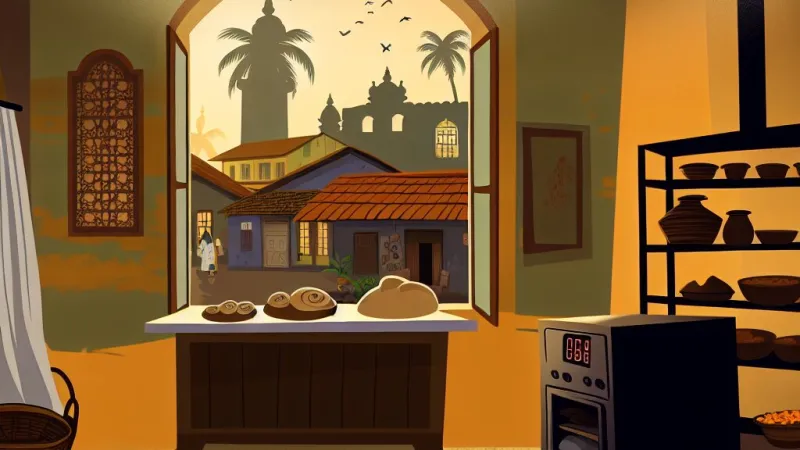
Goa has often stood as a gateway where the tides of Europe and India met, blending seamlessly into a unique and enduring cultural legacy. The Class 10 lesson “A Baker from Goa” in the "Glimpses of India" chapter shines a gentle light on one such symbol of this confluence—the Goan baker, also known locally as the "pader." The story does more than simply describe a profession; it brings alive the warmth, nostalgia, and communal bonds that a humble bakery could inspire in the everyday life of a Goan village. Through a vivid and affectionate narration, it explores how a European occupation became a living strand in the social and cultural fabric of Goa, and how memories, smells, and sounds associated with bread evoke emotions that transcend generations.
Historical and Cultural Context of Goa’s Bakery Tradition
To appreciate the role of bakers in Goa, it is important to glance back at the region’s history. Once colonised by the Portuguese from 1510 until 1961, Goa absorbed several European influences, including religion, architecture, cuisine, and professions. Among these, the art of baking bread—a staple in every Portuguese household—was introduced to the Goan populace by the colonial rulers. Over the centuries, Goan bakers mastered this craft and made it their own.These bakers, or paders, became purveyors of an art that fused Western techniques with local flavours. They carefully passed down recipes, measurements, and techniques through generations, establishing family-run bakeries that formed the backbone of village life. Their distinctive attire, the ‘kabai’ (a long, unique frock), became a familiar sight, although in modern times, some have adopted shirts and trousers, reflecting slow but inevitable changes in custom.
The bakery gained a social stature far beyond its economic value. For Goans, items like ‘Bol’ (a soft sweet bread) and ‘Bolinhas’ (coconut cookies) became mandatory for festive occasions—be it Christmas, village feasts, or weddings. Even today, marriage gifts are incomplete in many Goan families without the carefully packed ceremonial bread, drawing an invisible but unbreakable thread to the past.
Personal and Social Significance: The Narrator’s Childhood Memories
The real charm of “A Baker from Goa” lies not as much in historical accounts, but in the narrator’s tender recollections of childhood. The day often began with the lively sound of the baker’s bamboo stick striking the ground—its thuds serving as a wake-up call to the village, just as temple bells or mosque azaans mark dawn elsewhere in India. This signature sound filled children with excitement, prompting them to rush out, often without bothering to tidy their hair or wash their faces, their mouths already watering in anticipation.These bakers were more than just traders or craftsmen; they were deeply woven into the rhythm and spirit of village life. Children delighted in munching on bread-bangles—rings of freshly baked bread. There was a sense of community, belonging and trust. For example, households did not pay every day; instead, bakers maintained accounts and received their dues at the end of the month, reflecting a time when business transactions rested on faith and familiarity.
Social relationships pulsed vibrantly around the baker’s visits. The maid was usually dispatched with a basket to collect the day’s bread, sometimes quibbling with the baker or bargaining for an extra piece to delight the children. Such interactions gave rise to customs and traditions—family squabbles over who would get the larger piece, or children secretly sorting their favourite items from the pile.
Symbolism of the Bakery in Goan Traditions and Daily Life
Bakeries in Goa are much more than shops—they are a living heritage. The presence of bread at every significant occasion symbolises prosperity and prosperity, making bread a sacred presence at any Goan celebration. The simplicity of freshly baked bread embodies the warmth of hospitality and togetherness. Festivals like Christmas or the feasts of saints witness an explosion of special baked items—each with unique stories, recipes, and methods. Thus, the bakery becomes a symbol of continuity and cultural endurance.From an economic perspective, the baking profession allowed many Goan families to steadily prosper, handing down expertise from father to son. Mastering the craft of mixing dough, fermenting it to the right consistency, and using traditional wooden ovens required patience and skill, distinguishing good bakers from the rest. Even today, in the age of industrial mixers and packaged bread, local bakeries maintain loyal customers by keeping these age-old techniques and recipes alive.
Despite the influx of branded bakery chains or supermarkets, traditional Goan bakeries continue to survive, sometimes by adapting—experimenting with new fillings, adopting modern packaging, or introducing nutri-breads. Many bakers now don shirts and trousers but cling to traditions in work ethic and flavour, ensuring that the pader’s profession remains a thriving trade. Their commitment to quality over mass production sets them apart, and their story is one of resilience amid changing times.
Word Meanings and Language Learning from the Chapter
A close reading of “A Baker from Goa” uncovers a tapestry of unique words and expressions that anchor the story in its setting. Terms like “pader” (baker), “kabai” (the traditional baker’s tunic), or even “thud” (the sound of the bamboo stick) not only enrich the vocabulary of learners but also deepen their understanding of the cultural and historical landscape.For students, maintaining a vocabulary list while reading helps to cement these words and their meanings. When you encounter “bangles” in the text, for instance, it isn’t just jewellery—it refers to tasty bread-rings enjoyed by children. Contextual learning of such terms broadens linguistic ability and sharpens comprehension, especially in chapters that are deeply rooted in local culture. The author’s language is simple but charged with sensory detail—smells of warm bread, thuds of the stick, and the taste of sugar-dusted bolinhas—inviting readers to imagine, relive, and connect.
Educational and Moral Lessons from the Story
This story, rich in nostalgia, presents more than a picture of an old-world occupation. One of the key lessons is the importance of cultural preservation. In a rapidly globalising world, holding onto traditional practices and respecting professions like that of a baker fosters a sense of belonging and identity.It also highlights the significance of community and daily routine. The entire village would synchronise their morning with the baker’s arrival, reinforcing the idea that collective routines and simple pleasures—sharing bread with family, anticipating the bakery’s arrival—form the bedrock of social life. In this sense, the humble act of baking becomes both a practical and emotional glue holding communities together.
At the same time, the story gently urges us to embrace change without forgetting the past. The bakers who now wear modern clothes and experiment with recipes show adaptability. Yet, their commitment to time-tested methods and local flavours tells us how important it is to carry forward the best parts of our heritage. Here lies a lesson for students: by cherishing and learning from the past, one is better equipped to embrace the future.
Conclusion
To summarise, “A Baker from Goa” is not merely the account of a profession, but a window into the lived reality of Goan life. From the baker’s thudding stick in the morning to the rush of children craving bread, the story encapsulates the spirit of Goa—a mix of tradition and adaptation, of nostalgia and resilience. The presence of the pader is symbolic of how food can create memories, bind communities, and forge identities that withstand the pressures of time and change.For students of India, this narrative is a precious lesson in understanding how small, daily rituals connect to broader histories; how professions like baking are not just about sustenance but about continuity, creativity, and belonging. The oral memories, generational skills, and communal rituals described keep the heart of Goan culture alive, illustrating how heritage lives not just in grand monuments, but in the simple, everyday acts of sharing bread.
Ultimately, learning through such stories allows us to appreciate the vast tapestry of India's local cultures—and to recognise that every village, every tradition, and even the most ordinary professions are threads in the fabric of our diverse country. The baker’s profession, then, is not just a job—it is a celebration of life, memory, and Indian identity.
Rate:
Log in to rate the work.
Log in