Comprehensive Summary and Analysis of ‘The Letter’ for Class 10
This work has been verified by our teacher: 15.01.2026 at 19:22
Type of homework: Essay Writing
Added: 15.01.2026 at 19:09
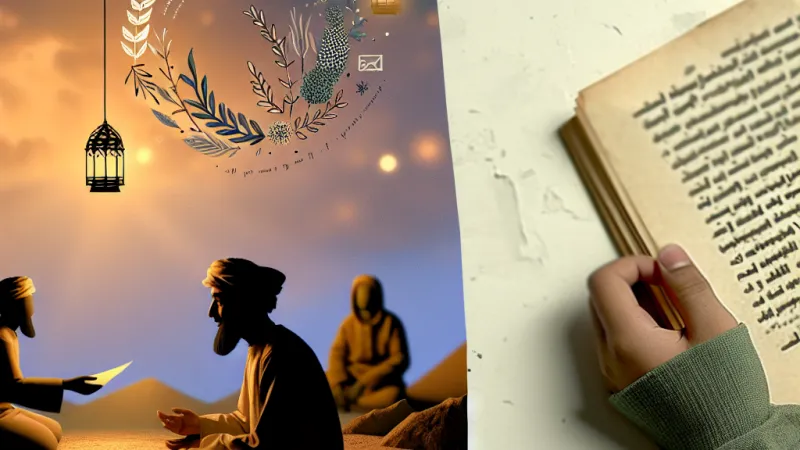
Summary:
„List” Dhumketu to wzruszająca opowieść o Ali, który latami czeka na list od córki, ucząc cierpliwości, empatii i wartości komunikacji. 💌
The Letter Summary, Explanation, Word Meanings Class 10
In the vast landscape of Indian English literature featured in school curriculums, “The Letter” stands as an emotional milestone, especially for Class 10 students. This story is a touching narrative from the CBSE English Literature Reader (Communicative), penned by Gaurishankar Govardhandas Joshi (1892-1965), famously known by his pen name ‘Dhumketu’. As a distinguished Gujarati writer, Dhumketu’s works often bring out nuanced emotions and deep-rooted Indian values.
This essay is designed to support fellow students in comprehending “The Letter” thoroughly. By clearly summarising its key events, analysing its characters, highlighting its themes, and exploring important vocabulary, this essay will serve as a comprehensive study resource. We will proceed section-by-section: beginning with context and background, breaking down the story in detail, explaining the significant themes and events, clarifying difficult words, presenting character sketches, and finally, providing FAQs, exam questions, and useful study advice.
---
I. Background Information on the Story
Set in pre-independence India, “The Letter” reflects the social realities and emotional landscapes of its era—especially the pangs of loneliness, the ache of separation, and the preciousness of communication. The story unfolds in a small town’s modest post office, a place that symbolises hope and heartbreak for its visitors.The main characters anchor the story’s human drama: - Coachman Ali, once a fearsome hunter, is now reduced to a frail, lonely figure waiting patiently at the post office for news from his estranged daughter. - Miriam, Ali’s only daughter, has married and moved away, her absence leaving a void in her father’s life. - The Postmaster is a practical, often self-absorbed official, blind to the desperate hopes of the people he deals with. - Lakshmi Das, the humble clerk, provides a quiet but crucial presence. - The story’s emotional fulcrum arrives when the postmaster’s own daughter falls ill, compelling him to understand the pain of anxious anticipation that Ali suffered for years.
This medley of characters, set against the backdrop of a simple Indian post office, creates a story that echoes universal truths about waiting, longing, and the need for empathy.
---
II. Detailed Summary of *The Letter*
Opening Scene & Introduction of Ali
The story opens with Ali, an old man once notorious as a brilliant hunter. In earlier days, stories of how he terrified birds and animals with his sharp aim were well known in his locality. However, life took a dramatic turn when his beloved daughter Miriam married a soldier and moved to a distant part of Punjab. Gradually, Ali’s fierce exterior melted into grief. As Dhumketu writes, “The hunter’s heart was subdued and softened,” a transformation is evident—the once merciless man learns about the pain of separation.The Importance of Miriam’s Marriage
Ali’s universe previously revolved around hunting, but following Miriam’s departure, the thrills of the jungle lose meaning. He experiences real pain, now understanding deeply what love and longing mean. He waits hungrily for any message, any news. The only thread connecting him to his daughter is the hope that she might write.Ali’s Daily Visits to the Post Office
What follows is a heart-wrenching routine. Every dawn, Ali shuffles to the post office, braving the biting cold—just to inquire if there is a letter for him. His presence soon amuses and even irritates the staff; they mock his hope, calling out his name cruelly despite knowing well that no letter ever arrives for him. “Coachman Ali!” they shout teasingly, turning his anticipation into a public joke. Ali, though pained, endures their jeers, convinced someday his patience will be rewarded.Ali’s Illness and Disappearance
After five heartbreaking years, Ali grows old and sick. His daily routine is broken as illness confines him to his home. When he returns to the post office, his body is weak and his spirits frail. Yet, even when death seems near, the flame of hope flickers in his eyes. He pleads with the postmaster, who, busy with office work and worried about his own family, scolds Ali for being a nuisance.Ali’s Last Request
Feeling an end approaching, Ali entrusts Lakshmi Das, the clerk, with five gold coins—his only savings—with a simple request: “If a letter comes for me after I’m gone, put it on my grave.” This poignant gesture reflects not just Ali’s undying hope but also his faith that even after death, his daughter’s love will reach him. After that day, Ali never returns.The Turning Point: The Postmaster’s Daughter’s Illness
Some months later, a twist occurs. The postmaster, so far indifferent, is gripped by panic as his own daughter in Calcutta falls gravely ill. Suddenly, he himself tastes the same bitter medicine of anxious, helpless waiting that Ali endured for years. When he frantically searches through piles of unopened letters for news from his daughter, a letter addressed “Coachman Ali” catches his eye. The realisation that he dismissed Ali’s pain dawns on him as he questions his own insensitivity.The Supernatural Moment
Determined to correct his wrong, the postmaster orders Lakshmi Das to find Ali. That very night, tormented by guilt and regret, the postmaster believes he sees Ali’s spectral form—gaunt, pale, but smiling, tears shining in his eyes. The next morning, Lakshmi Das and the postmaster place Miriam’s letter on Ali’s grave. Remarkably, Lakshmi Das reveals that Ali had died three months ago. Was it truly Ali who came, or just the postmaster’s guilt-ridden imagination? The story deliberately leaves the answer open, adding a mystical touch.The Story’s Conclusion
Thereafter, the postmaster is a changed man—more compassionate, less hasty to judge. Ali’s unwavering faith and the postmaster’s remorse serve as a lesson: One must treat the yearning and suffering of others with respect and kindness.---
III. Explanation of Important Events and Themes
Ali’s Transformation
Ali’s journey is a classic example of how life’s circumstances soften even the hardest hearts. Metaphorically, his transformation from a ruthless hunter to a gentle, patient father mirrors the capacity of humans to change for love. This is reminiscent of characters in Indian stories like Bheeshma from the Mahabharata, who offers wisdom in old age after a life of battle.Theme of Separation and Communication
Letters, in the story, are more than just pieces of paper—they represent life’s hopes and connections in an age when the mobile phone or WhatsApp did not exist. The agony of separation—felt by Ali and later by the postmaster himself—is a reality faced by countless Indians even today, when family members migrate for work or studies.Social Behaviour and Human Empathy
The story highlights how easy it is to dismiss the feelings of others. The post office staff’s mockery of Ali is a reflection of everyday insensitivity. However, the postmaster’s eventual empathy shows that self-realisation can lead to genuine change. It reminds one of the traditional Indian value of “Atithi Devo Bhava”—treating every guest or stranger with respect.Death and the Supernatural
Ali’s final ‘appearance’ after death represents the unbreakable bond of love, surviving even beyond the grave. This episode carries echoes of Indian folklore, where unfulfilled desires or intense emotions sometimes result in spiritual visitations.Moral Lesson
Above all, “The Letter” teaches us about patience, empathy, and the importance of respecting the emotions of the elderly and the lonely. The story calls for a more humane society—one where we listen, understand, and care.---
IV. Difficult Word Meanings with Usage (Vocabulary Section)
| Difficult Word | Meaning | Sentence Example | Tips for Remembering | |---------------|---------|------------------|---------------------| | Brilliant | Very bright or skilful | Ali was a brilliant hunter in his youth. | Think ‘bright’, like shining or talented | | Terrorised | Frightened greatly | Hunters often terrorised animals in the forest. | ‘Terror’ means great fear | | Regiment | Military unit | Miriam’s husband was posted in a regiment. | Used for army groupings | | Disappointed | Sad because of unfulfilled hopes | He went home disappointed every day. | Dissatisfied, unfulfilled | | Scolded | Rebuked angrily | The postmaster scolded Ali harshly. | Similar to ‘chided’ or ‘reprimanded’ | | Repented | Felt sorry for a mistake | The postmaster repented his behaviour. | Means to show regret | | Unearthly | Supernatural, strange | Ali’s glow was almost unearthly. | Not of this ‘earth’—strange or supernatural | | Clerk | Office assistant | Lakshmi Das was diligent as a clerk. | A letter manager | | Pile | Heap or stack | He searched through a pile of letters. | A stack or mound |Tips for Students: - Remember words using their context within the story. - Make your own new sentences for practice, e.g., “My sister was disappointed when her friend didn’t visit.” - Relate the words to daily life for better retention.
---
V. Character Sketches
Ali
Ali is one of Indian literature’s most touching figures. Fierce in youth, he channels his energy into love and longing for Miriam as he ages. Patient and dignified in the face of ridicule, he never loses faith, leaving behind a lesson in hope and humility. Ali’s character reminds us of the Indian parent, whose sacrifices often go unrecognised.Miriam
Though not physically present, Miriam’s influence is central. The fact that Ali’s existence revolves around her shows the power of filial bonds in traditional Indian families. Her eventual letter speaks of late but lasting affection.The Postmaster
Embodiment of officialdom, initially cold and business-like, the postmaster undergoes a complete transformation after personal tragedy. His repentance is a sign of growth—a reminder that our flaws can change when we empathise with others’ pain.Lakshmi Das
Though a background character, the clerk Lakshmi Das is the bridge between Ali and the postmaster. His honesty and dedication to Ali’s last wish reflect the Indian value of “seva” (service).---
VI. Previous Year Questions & Model Answers (Typical Exam Questions)
1. Describe Ali’s character and his relationship with his daughter. *Ali was once known for his ruthlessness as a hunter, but the loneliness following his daughter Miriam’s marriage transformed him into a loving, patient father. His unwavering hope and faith in receiving a letter from Miriam show his deep attachment. His love is selfless, enduring even after death.*2. What changes did Ali undergo after Miriam’s marriage? *After Miriam’s marriage, Ali lost interest in hunting and became quiet, spending his days yearning for a letter. He understood the true meanings of love, loss, and patience, showing that personal suffering can change one’s heart.*
3. What is the significance of the letter in the story? *The letter symbolises love, hope, and connection between separated family members. It is Ali’s only link to his daughter and represents how communication is a lifeline, especially in times of loneliness.*
4. How did the postmaster’s attitude towards Ali change? Explain. *Initially, the postmaster is indifferent and even derisive towards Ali. However, when he experiences the same anxiety for his daughter, he becomes sympathetic and deeply regrets his earlier behaviour.*
5. Write a short summary of *The Letter* story. *“The Letter” narrates the emotional journey of Coachman Ali, who waits for years at the post office for a letter from his daughter. His hope is ignored and mocked until, after his death, the postmaster himself experiences similar suffering and understands Ali’s pain, transforming into a more empathetic person.*
Tips for Answering: - Begin with a clear introduction. - Use examples and specific references from the text. - Conclude by connecting back to the question’s main point.
---
VII. Frequently Asked Questions (FAQs)
Q1. What is the main theme of *The Letter*? *The major themes are loneliness, hope, empathy, and the value of communication in human relationships.*Q2. Why does Ali keep visiting the post office every morning? *He waits in hope of receiving a letter from his only daughter, Miriam, who lives far away.*
Q3. How does the postmaster treat Ali initially? *He is impatient, rude, and mocks Ali’s hope, not understanding his pain.*
Q4. Why is Ali’s letter received only after his death? *Due to the carelessness of the post office staff, Miriam’s letter arrives too late for Ali. It highlights the tragedy of neglect.*
Q5. What lesson does the postmaster learn by the end of the story? *He learns to empathise with others’ pain, becoming more patient and compassionate after experiencing similar anxiety himself.*
---
VIII. Conclusion
“The Letter” is not just a story about waiting for a message. It is a moving tale of love’s endurance, of unacknowledged sorrow, and of the hope that bridges distances—whether through pen and paper or heartfelt longing. For students, it teaches that empathy, patience, and respect are vital in every relationship, and that one should never dismiss someone else’s pain. Learning the vocabulary and understanding the layered characters of this story will not only help you score in exams, but also develop deeper emotional intelligence—a quality much needed in today’s world.---
IX. Additional Resources
- Downloadable PDFs and Summaries: Visit the NCERT website, TopperLearning, and Vedantu for free chapter summaries and previous year questions. - Video Summaries: Watch YouTube channels like Magnet Brains or LearnCBSE for spoken explanations. - Hindi Summaries: Reading the Hindi translation or summary can clear up confusion and help in quick revision before exams. - Quick Revision Tips: - Read the story 2-3 times for better memory retention. - Practice writing answers in your own words. - Use vocabulary lists and try forming your own sentences.---
Note for Students: Do not merely memorise; try to put yourself in Ali’s and the postmaster’s place—imagine their feelings. Practice summaries and word meanings, and you will find not only your marks but also your understanding of life improving. Remember, literature is not just about marks, but about learning to feel and judge righteously, as “The Letter” so beautifully teaches.
Rate:
Log in to rate the work.
Log in