Why Tradition and Modernity Should Coexist in India
This work has been verified by our teacher: 22.01.2026 at 9:39
Type of homework: Essay Writing
Added: 21.01.2026 at 16:10
Summary:
Explore why tradition and modernity must coexist in India to shape values, culture, and progress, helping students grasp this vital social balance. 📚
Tradition and Modernity Must Coexist, Not Compete
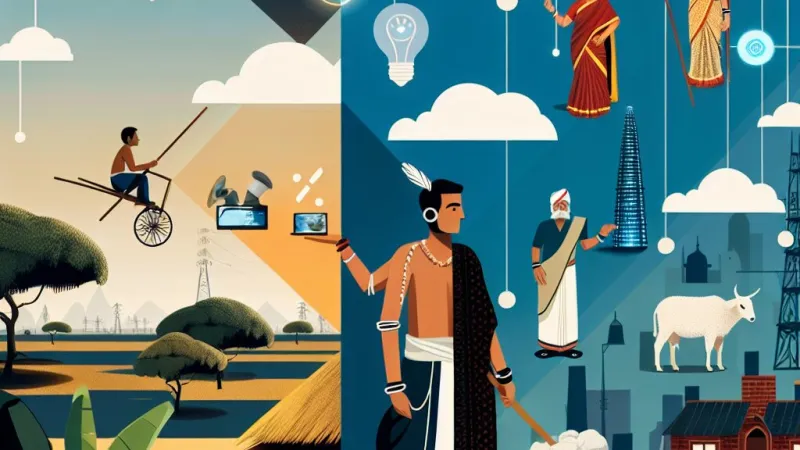
In India, the tension between tradition and modernity is both timeless and timely. This dynamic interplay shapes our identities, values, and even the trajectory of national progress. Picture a bustling metro city where skyscrapers stand shoulder to shoulder with centuries-old temples. Here, Gen Z youth recite shlokas from the Bhagavad Gita while developing mobile apps, and families debate over WhatsApp whether daughters should have arranged marriages or choose their own partners. This is the living paradox of India—a nation where tradition and modernity are often depicted as adversaries but, in reality, must learn to walk hand-in-hand.Tradition refers to the vast storehouse of beliefs, customs, rituals, philosophies, and artistic expressions carefully transmitted across generations. It is, as Rabindranath Tagore claimed, “the accumulated wisdom of the ages, tested and refined through time.” Modernity, meanwhile, signals a break from the past through reason, empirical thought, scientific discovery, and social reform—qualities visible in the push for economic growth, technological innovation, and the extension of individual rights. While many perceive an unbridgeable gulf between these two, a more thoughtful examination—rooted in Indian experience—suggests that true progress lies in their harmonious coexistence.
This essay will delve into the origins of this debate, illustrate the mutual necessity of tradition and modernity, present real-world examples of successful integration, warn of the dangers posed by imbalance, and finally, offer a roadmap for fostering harmony between these two vital currents in Indian life—all while grounding the discussion in our own cultural context.
---
Philosophical and Theoretical Foundations
The Dynamic Role of Tradition
Tradition in India is not a dusty relic but a living force. Its role is more than reciting ancient mantras; it is the invisible thread binding communities together, bestowing shared values such as respect for elders (guru-shishya parampara), hospitality (atithi devo bhava), and the pursuit of knowledge (vidya). The Vedas, Upanishads, and moral epics like the Ramayana and Mahabharata have for millennia offered models of conduct, shaped ethical frameworks, and provided comfort during upheaval. Far from shackling progress, tradition serves as a stabilising anchor as tides of change reshape society.The Spirit of Modernity
Modernity, on the other hand, has a transformative energy—championing scientific reforms, critical inquiry, and social innovation. The Indian independence movement itself was fuelled by modernist ideals: leaders like Raja Ram Mohan Roy demanded an end to practices like Sati in the name of rationality and human dignity, while B.R. Ambedkar reinterpreted Buddhist values to challenge caste discrimination. Modernity also brought parliamentary democracy, a written constitution, and myriad opportunities for women’s advancement and economic mobility.Why the Perceived Clash?
The friction often emerges because tradition can seem inflexible, as though it opposes questioning or change, while modernity is accused of uprooting established identities. Many fear that embracing modernity means abandoning one’s roots, and yet, too rigid a grip on tradition may prevent necessary reforms. The truth is, both sides can become dogmatic—leading to societal paralysis on one hand or rootlessness on the other.The Syncretic Indian Model
Indian history abounds with examples of syncretism—where tradition and innovation enrich and temper each other. The Bhakti and Sufi movements, for instance, challenged orthodoxies while absorbing local customs, thus illustrating that synthesis, not competition, leads to robust cultural evolution.---
Why Coexistence is Essential
Safeguarding Identity
If India were to discard its traditions wholly, what would remain but a hollow imitation of some other culture? Our languages, music, festivals like Diwali and Eid, family systems, even our distinctive attire such as the saree or kurta, are more than ornaments—they are vital cogs in the machinery of Indian identity.Ensuring Stability
Tradition offers social support mechanisms: the joint family lends itself to care of elders; local panchayats mediate disputes and dispense wisdom rooted in community experience. As urbanisation and nuclear families rise, studies have shown increased loneliness and alienation—a reminder that traditional forms of belonging remain critical for mental and emotional health.Modernity as a Catalyst
Equally, we cannot overlook what modernity has delivered: a legal framework upholding equality before law, STEM education fuelling India’s global IT presence, sanitation and healthcare reforms improving quality of life, and empowered voices challenging historic injustices. To ignore these gifts is to deny millions access to brighter futures.Striking Balance
However, if traditions are clung to without scrutiny, they may continue harmful customs—child marriage, untouchability, or denying education to girls. If modernity is adopted wholesale without roots, the outcome is alienation, consumerism, and loss of meaning. The key, then, is critical engagement with both—preserving what is noble, discarding what is harmful, and adapting to present needs.---
Models of Integration: Lessons from Home and Beyond
Indian Constitution: Dharma Meets Democracy
Our Constitution is a brilliant fusion—rooted in Gandhian swaraj and ancient tenets of justice, yet also borrowing from Western models of liberty and equality. Local self-governance (Panchayati Raj) echoes ancient sabhas found in Mahajanapadas, while fundamental rights echo modern liberalism. Secularism here does not mean erasing faith, but allowing diverse traditions to flourish under constitutional protection.Ayurveda and Allopathy
India’s healthcare model gives space both to Ayurveda, Yoga, and Siddha—systems based on centuries of observation and holistic well-being—and to allopathic, scientific medicine. The Ministry of AYUSH and the proliferation of integrative hospitals reflect an ongoing attempt to harness ancient wisdom and modern research, giving patients more culturally competent choices.Japan’s Dual Excellence
Similar balancing acts can be seen in countries like Japan, which has modernised its industries and cities without abandoning rituals like Shinto ceremonies or Ikebana flower arrangements. The result is technological prowess with a unique sense of continuity, a model India can emulate.---
Dangers of Imbalance
Rejecting Tradition: Lessons from Abroad
China’s Cultural Revolution illustrates the dangers of wholesale rejection—millions suffered as heritage, language, and family ties were destroyed in the name of progress. The resulting trauma continues to reverberate.Colonial Disruption in India
Closer home, British colonial policies intentionally weakened India’s education systems, marginalised local crafts, and denigrated indigenous knowledge. The imposition of English education erased centuries of scholarship in Sanskrit, Arabic, and regional languages, creating generations estranged from their own roots.Rigid Traditionalism
On the other hand, refusal to modernise has perpetuated social injustice. For years, caste-based exclusions, bans on widow remarriage, and the suppression of scientific outlook harmed national growth. Laws like those criminalising Sati, Child Marriage, or granting women property rights, demonstrate that blind reverence for tradition can impede justice.---
The Indian Present: Experiments in Coexistence
Digital India and Reviving the Classics
The ‘Digital India’ programme is not only bringing technology to villages, but also digitising classical literature and archives, making Sanskrit texts, regional poetry, and folk stories accessible online. This allows youth to explore their heritage through modern platforms.Legal Reforms: Triple Talaq and Debate
The Supreme Court’s landmark verdict on Triple Talaq reflects an effort to respect religious practice while championing gender justice. Likewise, ongoing debates on Uniform Civil Code highlight how lawmakers attempt to reconcile personal laws (born of tradition) with constitutional guarantees.Modern Festivals
Look at how Diwali is now celebrated with environment-friendly diyas, community events, and even global participation through social media. Ganesh Chaturthi blends traditional aartis with eco-conscious celebrations, while colleges host “ethnic day” alongside “hackathons.” These are signs of evolving but enduring traditions.---
International Glimpses
Countries like Sweden and Norway have achieved high human development by sustaining folk traditions and community values within modern welfare states. South Korea’s explosive technological growth is matched by investment in preserving Hanok villages, Confucian rites, and folk music—proving that forward movement does not require cultural amnesia.---
Paths to Harmonious Coexistence
Education Reform
A truly modern Indian education should synthesise Sanskrit shlokas and Kabir’s dohas with physics, coding, and debates on bioethics—creating not just job-ready individuals, but culturally literate and critically minded citizens.Policy and Funding
Government schemes must encourage both scientific start-ups and crafts revival. The Skill India initiative can equally promote AI and ancient weaving skills, marrying tradition with livelihood.Dialogue and Inclusion
Intergenerational forums, storytelling events, and literary festivals such as Jaipur Literature Festival provide space for various voices to find common ground. Disagreements, when constructive, can foster rich new syntheses.Community Leadership
Panchayats, women’s groups, and youth clubs are often best positioned to innovate while respecting the community’s ethos. True change, after all, is sustainable only when rooted in people’s lived realities.---
Conclusion
The ongoing conversation between tradition and modernity is not a battleground but a dance—a rhythm, as Tagore would say, “of old wine in new bottles.” India’s progress, resilience, and spiritual vitality depend on a creative equilibrium between the two. We must be inheritors of “the fire, not the ashes” of tradition, to recall Mahler’s wisdom, and yet keep our doors open, like Gandhi advised, to the winds of change from every direction.It is only through mindful integration—neither passive acceptance nor arrogant rejection—that India can continue as a beacon of both innovation and unbroken heritage. For our generation as students, citizens, and future leaders, this is both our challenge and our opportunity: to walk the path where our feet are firmly planted in our ancient soil, even as our eyes look forward, seeking new horizons.
Rate:
Log in to rate the work.
Log in