Bhai Dooj in 10 Lines: Meaning and Traditions
This work has been verified by our teacher: 24.01.2026 at 9:46
Type of homework: Essay Writing
Added: 23.01.2026 at 7:33
Summary:
Discover the meaning and traditions of Bhai Dooj in 10 lines. Learn about its cultural roots, rituals, and significance in Indian festivals. Celebrate sibling bonds.
Bhai Dooj: Celebrating the Sacred Bond of Brothers and Sisters
India, the land of festivals, is renowned for a vibrant tapestry of traditions that reflect the ethos of family, unity, and emotional bonds. Among these is Bhai Dooj, a radiant festival dedicated to the cherished relationship between brothers and sisters. Celebrated with immense enthusiasm across the country, Bhai Dooj carries deep spiritual and cultural undertones, and stands as a living tribute to the sense of belonging, care, and respect that defines Indian families. Marked shortly after Diwali, this festival marks the end of a season of lights and ushers in renewed hope and stronger relationships. This essay explores the multifaceted significance of Bhai Dooj—its mythological roots, regional variations, rituals, cultural impact, and timeless relevance for students and families alike.---
Mythological and Historical Roots of Bhai Dooj
The origins of Bhai Dooj can be traced to numerous legends deeply embedded in Hindu mythology. The most well-known tale revolves around Lord Yamraj, the god of death, and his devoted sister Yamuna. According to the scriptures, Yamuna ardently wished for her brother to visit her home. When Yamraj finally obliged, she greeted him with heartfelt respect, performed an *aarti*, applied a sacred *tilak* on his forehead, and offered him a delicious feast along with her prayers for his well-being. Deeply moved, Yamraj declared that every brother who visits his sister on this day and participates in similar rituals would be blessed with prosperity and protection from untimely death.Another popular version involves Lord Krishna returning to his sister Subhadra after his triumph over the evil demon Narakasura. Subhadra warmly welcomed Krishna with an *aarti*, tilak, sweets, and garlands. This tradition of honouring and safeguarding a sibling blossomed into the festival revered as Bhai Dooj.
Interestingly, the festival also coincides with Chitragupta Puja. Lord Chitragupta, the divine scribe who keeps account of human deeds, is worshipped on Bhai Dooj by many communities, especially in North India, signifying the intertwining of familial, moral, and spiritual values.
---
The Timing and Auspicious Significance
Bhai Dooj is celebrated on the second day (Dwitiya) of Shukla Paksha (bright fortnight) in the Kartik month of the Hindu lunisolar calendar, falling typically in October or November. Known in Sanskrit as "Yamadvitiya," this day arrives just two days after the exuberance of Diwali has settled. The timing assumes great importance—it’s a gentle moment to reconnect with siblings after the hectic festival season, refresh bonds, and pray for each other’s prosperity and safety in the times ahead.---
Rituals and Customs That Give Bhai Dooj Its Unique Flavour
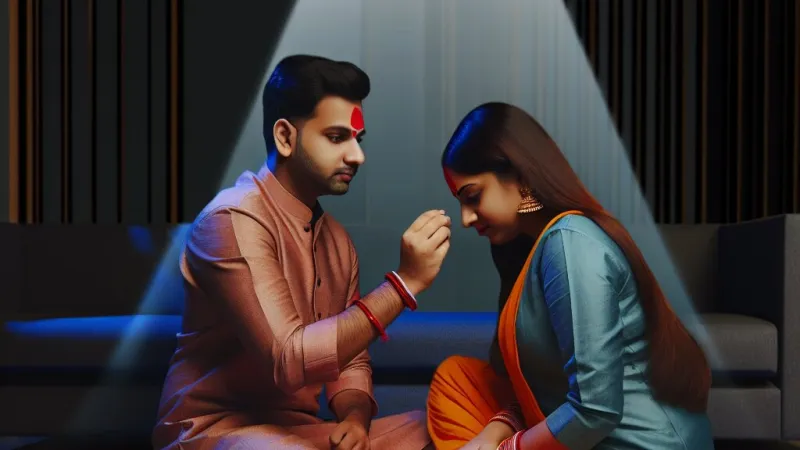
Bhai Dooj is not just about rituals, but about heartfelt gestures steeped in tradition and faith. The day usually begins with sisters inviting their brothers home. In some regions, married sisters eagerly await this day as an opportunity to welcome their brothers and relive memories of their parental home.The Tilak or Tika Ceremony: One of the most distinct rituals is the application of tilak (also called tika) on the brother’s forehead by his sister. This tilak, made from kumkum (vermilion), sandalwood paste, or sometimes a mixture of roli and chawal (red powder and rice), symbolises the sister’s prayers for her brother’s long and healthy life. This act is believed to banish negative energies and is a visible mark of love and protection.
Performing Aarti: The sister circles a *thali* (plate) with a lit diya (lamp), flowers, and sweets around her brother’s face—this is the aarti. She prays for his well-being and requests divine blessings. In some families, she recites simple mantras or shlokas such as “Om Yamaaya Namaha” during this ceremony.
Gift Exchange and Sweets: It is customary for brothers to present their sisters with gifts—ranging from clothes, money, jewellery, to thoughtful tokens—expressing gratitude and affection. In turn, plates brimming with Indian sweets like peda, barfi, laddoo, kaju katli, and gujiya are exchanged, adding sweetness to the bond.
Chitragupta Puja: Particularly in parts of Uttar Pradesh, Bihar, and Madhya Pradesh, families worship Lord Chitragupta. Account books are opened before the deity, prayers are offered for honesty in deeds, and the spirit of righteousness is invoked.
---
Cultural and Social Significance
At its core, Bhai Dooj transcends being a mere festival—it cements the emotional foundation of Indian households. As families gather, differences dissolve, and memories are created around shared meals and laughter. In an age where the fabric of joint families is slowly thinning, Bhai Dooj reminds everyone of the importance of unity, respect for traditions, and emotional support systems.Many psychologists believe that such festivals nurture strong interpersonal ties and provide much-needed emotional reassurance for both sisters and brothers. The repeated affirmations of care and responsibility fostered here help siblings navigate challenges with confidence, knowing they have an unwavering ally in each other.
Beyond individual families, Bhai Dooj also imparts a broader social message—the values of protection, empathy, and selflessness towards not just biological siblings, but towards wider society as well. It encourages everyone to rise above selfishness and become pillars of support for those in need.
---
Rich Regional Variations Across India and Nepal
Diversity is the hallmark of Indian culture, and Bhai Dooj is celebrated under different names and manners across regions:- Bhau Beej in Maharashtra: Sisters draw elaborate “rangolis,” perform the tilak, and prepare savouries like shankarpali and karanji. - Bhai Phonta in West Bengal: The ceremony involves special “phonta” (sacred mark), devotional songs, and hearty Bengali feasts. - Bhai Tika in Nepal: Observed by Hindus in Nepal with great fervour, sisters apply a colourful, seven-layered tika using abir (colour powder), and the rituals may last a whole day. - Bhai Dooj in North India: Traditional homes come alive with vibrant celebrations and laughter, and every household has its own cherished set of customs.
Despite the differences, the essence remains the same—the unbreakable bond between brothers and sisters and prayers for each other’s long life and happiness. Even the Indian diaspora in Mauritius, Fiji, and the United Kingdom, as well as non-Hindu communities in South Asia, have adapted aspects of this festival, acknowledging its universal appeal.
---
Bhai Dooj and Raksha Bandhan: A Comparison
Many students wonder about the differences between Bhai Dooj and Raksha Bandhan, another famous sibling festival. Both share the spirit of sibling protection and affection, yet they differ in rituals and timing. Raksha Bandhan falls in Shravan month (usually August), where sisters tie a sacred thread, or rakhi, on their brothers’ wrists, symbolising a promise of lifelong protection and care, often accompanied by vows and gifts.In contrast, Bhai Dooj is about applying tilak and performing aarti, focusing on spiritual upliftment and prayers for longevity. While Raksha Bandhan marks the beginning of the monsoon, Bhai Dooj draws the festive season to a close, bookending the year with celebrations of siblinghood. Together, they form the twin pillars of brother-sister love in the Indian cultural calendar.
---
Bhai Dooj in the Modern Era
In contemporary times, the style of Bhai Dooj celebrations has evolved. Urban families might opt for Zoom calls and video chats when siblings live far apart, compensating with online gift deliveries and digital greetings. Yet, in both cities and villages, the emotional core remains unchanged—the spirit of love and togetherness endures.Schools utilise Bhai Dooj as a theme for cultural performances and art competitions, reminding students of the richness of Indian heritage. Social media is abuzz with shared memories, photos, and heartfelt wishes, making geographic boundaries meaningless.
Busy youngsters, too, are rediscovering the joy of maintaining traditions, encouraged by the realisation that family values form the roots of our identity.
---
Tips for a Memorable Bhai Dooj
Here are some ideas to make your Bhai Dooj celebration both meaningful and enjoyable:- For Sisters: - Plan your thali with essentials: roli, chawal, diya, sweets, flowers, and an incense stick. - Wear traditional attire such as a saree or salwar-kameez to create a festive mood. - Prepare homemade treats like coconut burfi, besan laddoo or samosas to add a personal touch.
- For Brothers: - Beyond gifts like books, chocolates, or dresses, make time to talk, play childhood games, or help around the house to reinforce your affection. - Write a note or pooja card expressing gratitude and sharing an old memory.
- For the Family: - Invite elders and cousins to join, making it a larger celebration. - Use natural ingredients for tilak and eco-friendly plates and decorations. - Recite simple prayers or Sanskrit shlokas together, such as “Yamunaaya Namaha Swaha” for good luck.
Remember, it’s not about the grandeur but the sincerity of the gesture.
---
Conclusion: Preserving a Precious Legacy
Bhai Dooj, with its spiritual beauty and cultural richness, is much more than a date on the calendar. It’s a celebration that binds families together, reminding us of the silent strength and warmth of sibling love. As generations evolve and the world shrinks with technology, such traditions become essential threads that connect us to our roots and to each other.As students, it is our duty and privilege to honour these festivals, cherish the timeless values they uphold, and ensure they remain alive for future generations. The brother-sister relationship, with all its playful squabbles and deep affection, is unique and irreplaceable—worthy of celebration not just on Bhai Dooj, but every day.
In the end, Bhai Dooj teaches us that whether near or far, the bond of love remains unbroken, shining bright like a diya in the heart of every Indian family.
Rate:
Log in to rate the work.
Log in