Christmas Festival: Celebrating Light, Love, and Unity in India
This work has been verified by our teacher: 25.02.2026 at 16:59
Type of homework: Essay Writing
Added: 24.02.2026 at 9:21
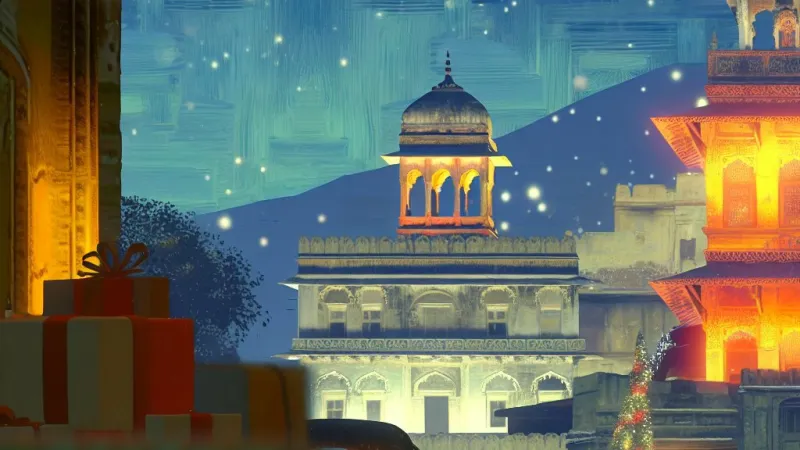
Summary:
Explore the Christmas festival in India, celebrating light, love, and unity. Learn about its history, traditions, and cultural significance in this detailed essay.
Christmas: A Festival of Light, Love, and Unity
Christmas, celebrated every year on 25th December, stands as one of the most cherished festivals across the globe. In its essence, Christmas marks the birth anniversary of Jesus Christ, regarded by Christians as the ‘Son of God’ and a beacon of compassion and hope for humanity. Over centuries, what began as a sacred observance for Christian believers has transformed into a festive occasion that resonates with people of all backgrounds. In India, a land of vibrant diversity, Christmas has found a unique expression, blending time-honoured traditions with Indian cultural hues, making it not just a religious gathering but a season of universal joy, togetherness, and renewal.The Roots: History and Religious Significance
The story of Christmas traces back over two thousand years, anchored in the humble birth of Jesus in Bethlehem. According to Christian scriptures, Jesus was born in a manger, surrounded by shepherds and visited by wise men guided by a radiant star—an image immortalised across nativity scenes and church plays. The early Christians, seeking a day to commemorate this holy event, eventually settled on 25th December around the 4th century CE. Historians often note that this date coincided with the ancient Roman festival of Saturnalia and the winter solstice, symbolising the victory of light over darkness. The symbolism of Jesus as the ‘Light of the World’ shines through the narratives, echoed in the use of stars, candles, and lamps during Christmas celebrations.In churches across India, from the majestic St. Paul’s Cathedral in Kolkata to the quaint hill-country churches of Kerala and Mizoram, Christmas Eve comes alive with midnight masses. Worshippers gather to partake in special prayers, melodious hymns, and the reading of the nativity story. The Christmas star, often strung above homes and public spaces, stands for the divine guidance that led the Magi, while scenes of the infant Jesus, Mary, and Joseph—lovingly recreated in cribs or tableaux—remind all of the festival’s spiritual origins.
Tradition Woven with Culture: Evolution and Adaptation
Christmas, perhaps more than any other festival, has grown by absorbing traditions from various lands and communities. For instance, the popular custom of decorating fir or pine trees with lights and ornaments hails from Germany but has seamlessly fit into Indian homes, often with creative twists. In some regions, where pines are rare, people ingeniously decorate mango, banana, or even synthetic trees. The vibrant glow of homemade paper lanterns and diyas further lends an Indian touch to the festivities.Another beloved figure, Santa Claus—known as Father Christmas in many places—has captured the imagination of children everywhere, not least in India. The joyful imagery of a plump, jolly old man with a white beard, travelling in a red suit to distribute gifts, has roots in the stories of Saint Nicholas, a generous bishop from ancient Anatolia. School children delight in the annual visit of ‘Santa’ during Christmas functions, where he hands out toffees and tiny presents, drawing laughter and applause.
The act of exchanging gifts, preparing plum cakes, and singing carols has become a widespread custom, thanks to the globalisation of media and the mingling of cultures through centuries of trade, colonial influence, and diaspora connections. Yet, Indian celebrations reflect a local identity—Christmas fairs in Bandra, Mumbai or the magnificent church decorations in Goa are as much about the warmth of community as they are about tradition.
Celebrations That Bring People Together
At its core, Christmas is a time for families and friends to come together in joy and gratitude. Across Indian cities and villages, the days leading up to Christmas witness bustling activity. Houses are cleaned and decorated with colourful streamers, shimmering stars, and intricate rangoli outside doorsteps—a beautiful blend of indigenous art and festive cheer. In Goa, streets throng with people attending midnight services, exchanging festive wishes in Konkani and English. In Kerala, the aroma of ‘achappam’ and ‘appam’ wafts from kitchens as Christian families prepare traditional sweets.Perhaps the most heartening aspect of Christmas in India is its open-armed embrace beyond the Christian community. Neighbours of all faiths join in the merriment, visiting friends to taste beautifully arranged ‘kuswar’—platters of Gujarati, Goan, and Mangalorean sweets—or singing along to ‘Silent Night’ and ‘Jingle Bells’ at school functions. In the Anglo-Indian quarters of Kolkata, communal feasts see residents forgetting everyday worries over hearty meals of roast meat, pulao, and Christmas pudding.
This atmosphere of camaraderie is vividly depicted in Indian literature and cinema as well. Ruskin Bond, in his heartwarming stories set in the hill towns of Mussoorie, often paints Christmas as a time when children and adults alike rediscover kindness and companionship, regardless of religious background.
Compassion and Generosity: The Deeper Spirit
One of the noblest traditions associated with Christmas is the emphasis on giving and charity. The teachings of Jesus, who advocated love for all and service to the poor, inspire many to engage in acts of generosity during this season. Churches, schools, and charity organisations in cities like Chennai and Hyderabad organise distribution of food, blankets, and clothes to the needy. In smaller towns, families pool resources to host communal meals, providing companionship for those who may be lonely or elderly.This sense of selfless service is not limited to Christians alone. Many Indians, drawn by the universal message of Christmas, volunteer during this period—whether it is teaching at orphanages, distributing warm meals to pavement dwellers, or contributing to disaster relief initiatives. The ethos of 'sharing and caring', deeply rooted in Indian culture, finds a special resonance in the festival’s context.
Preparations and Contemporary Celebrations
The anticipation of Christmas is almost as delightful as the festival itself. Preparations begin weeks in advance, with markets in Delhi’s Connaught Place or Bangalore’s Brigade Road adorned with twinkling lights, Christmas trees, and stalls selling everything from greeting cards to nativity sets. Children compose wish-lists for Santa, rehearse carols, and craft homemade decorations in school art classes. Families shop for new clothes—a tradition paralleling the Diwali or Eid shopping spree—adding to the festive air.On the eve and day of Christmas, the festivities reach their peak. The day typically starts with the unveiling of gifts, followed by a hearty family breakfast. Attending church is a significant ritual, where hymns of peace and hope echo through congregations. Later, lunch or dinner is a joyous affair, featuring dishes like roast chicken, biryani, Christmas cake, and homemade sweets. The evenings are often spent visiting friends, watching classic films, or singing carols in the neighbourhood.
Digital technology now plays a key role in modern celebrations. Relatives separated by distance connect through video calls, and WhatsApp brims with colourful greetings. While the increasing commercialisation of Christmas—seen in the glittering mall displays and endless offers—raises debates about the loss of tradition, the core themes of hope, forgiveness, and unity remain undimmed.
Christmas in the Indian Tapestry
The way Christmas is celebrated in India illustrates the incredible adaptability of Indian culture—welcoming global festivals and making them its own. Whether it is through the Goan ‘Serenade’ (carol singing procession), the Kolkata Christmas markets on Park Street, or the serene church bells in Shillong, the festival transcends religious lines. Even in remote villages where Christian populations are small, the glow of paper stars and sounds of laughter affirm the inclusive Indian spirit.Conclusion: The Ever-Relevant Festival
As another Christmas approaches, it is worth reflecting on what makes this festival truly special. Beyond the lights, sweets, and songs, Christmas stands as a living reminder of the enduring values that bind humanity—love, kindness, and the courage to begin anew. For Indian students and families, Christmas is more than a borrowed tradition; it is a celebration of unity, hope, and friendship that blends seamlessly with our cultural ethos. In these times of change and challenge, embracing the true spirit of Christmas—sharing our joys with others, reaching out to the vulnerable, and fostering harmony—can light our lives far beyond the season itself.In essence, Christmas is a timeless festival that, while rooted in religious significance, effortlessly bridges communities, affirming our common longing for light, peace, and goodwill in a world that always needs them.
Rate:
Log in to rate the work.
Log in