Understanding the Dowry System: Its History and Impact in India
This work has been verified by our teacher: 9.04.2026 at 11:12
Type of homework: Essay Writing
Added: 6.04.2026 at 6:01
Summary:
Explore the history and impact of the dowry system in India to understand its evolution, social effects, and the need for equality and change.
Paragraph on Dowry System
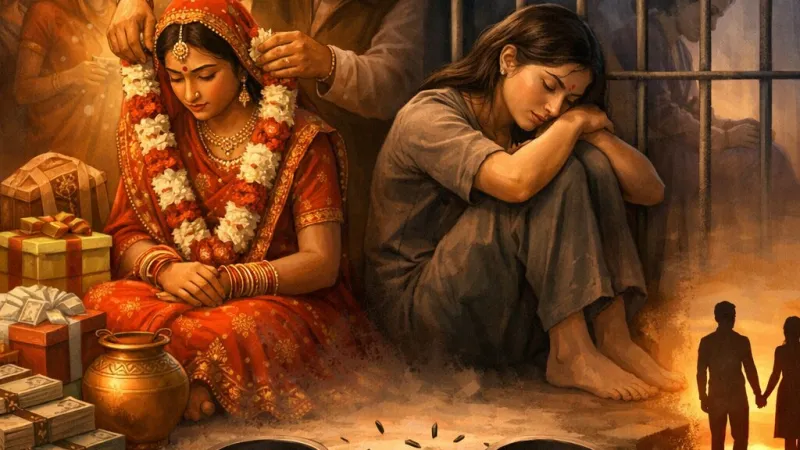
The dowry system, an age-old custom woven into the fabric of Indian society, refers to the transfer of money, property, or valuable items from the bride’s family to the groom’s at the time of marriage. Originally, dowry was never intended as a burden—it began as a means to provide financial security and personal gifts for the bride, often forming her share in her parental family’s assets. Over centuries, however, what was once a gesture of affection and goodwill has mutated into a deep-rooted social evil. Even today, despite growing awareness and near-universal legal prohibition, the practice of dowry is entrenched across the subcontinent, shaping the lives—and often tragedies—of millions of Indian women. This essay explores the historical progression, pernicious outcomes, legal battles, and the necessity for collective will in order to abolish the dowry system and cultivate a just, equal society.
Historical Context and Evolution of the Dowry System
To truly understand the grip of dowry on the Indian psyche, we must travel back to ancient times. In Vedic India, dowry (known as ‘stridhan’) was not a compulsion but a voluntary gift, comprising jewellery, cash, animals, and land, given to the bride by her parents to safeguard her well-being after marriage. In classic Sanskrit texts and epics like the Mahabharata, the concept of stridhan is respected as a woman’s independent property.However, as Indian society moved through the medieval and colonial periods, several factors caused the custom to transform. Marriages became less about companionship and more about alliances for status and wealth. The British colonial laws sometimes undermined women’s inheritance rights, unintentionally making dowry not a boon, but an obligatory payment, escalating the demands placed upon the bride’s family. Over time, dowry demands came to reflect social hierarchies, with families using their daughters’ marriages as a means to showcase their affluence or compensate for perceived differences in status. Systemic patriarchy and the desire to preserve or enhance economic standing cemented dowry as almost inescapable, especially among communities valuing sons over daughters.
Contemporary Manifestations of the Dowry System
Fast forward to contemporary India, the dowry system is far from being an archaic remnant. Instead, it has found new ways to persist, changing its face with the times. Today, dowry can take the form of bank cheques, gold ornaments, four-wheelers, real estate, electronics, and even lucrative government jobs gifted to the groom or his kin. The expectation is not limited to initial marriage ceremonies—often, demands stretch on for years after marriage.The size of the dowry demanded often depends on the groom’s qualifications, career, and family status. A well-employed groom or one settled abroad is seen as a ‘prize catch’, often driving up dowry expectations. This creates a distressing arms race where bride’s families adjust their dowry offers to outbid others, inflicting severe financial and psychological stress. Many families borrow heavily, liquidate their assets, or spend their life savings on dowry, straining under the pressure to conform.
Worse still, the process devalues women, reducing marriage into a transactional exchange rather than a union of equals. In rural belts—like Bundelkhand, Bihar, parts of Uttar Pradesh, and Rajasthan—the dowry system is sustained by deep-rooted traditions and lack of educational opportunities for women. Urban India, while seemingly modern, also harbours the dowry system; however, the methods become subtler, often disguised as ‘gifts’. Recent years have seen variations in the custom due to rising female literacy and workplace participation, but the core expectation remains intact in many communities.
Negative Consequences of the Dowry System
Perhaps the gravest fallout of the dowry system is the violence it breeds against women. According to the latest reports by the National Crime Records Bureau (NCRB), nearly 6,800 dowry-related deaths were reported in 2020—a chilling statistic that likely undercounts the real toll, given underreporting and social pressures. The harrowing tales of bride-burning, suicides under duress, and relentless harassment by in-laws underscore how dowry is not merely an economic or social issue, but a human rights crisis.Dowry disputes often result in persistent emotional and physical abuse. Women are sometimes blackmailed, threatened, or ostracized if their families fail to meet escalating dowry demands. In extreme cases, they are subject to grievous harm or even murdered under the guise of accidents or suicides. The psychological scars can haunt survivors for life, leading to depression, anxiety, and a loss of dignity.
The ripple effects of dowry also cast a long shadow on Indian society. The preference for sons, perpetuated by dowry, fuels the chilling practice of female foeticide and skews the sex ratio, as seen in demographic data from Haryana and Punjab. Many girls are denied equal healthcare and educational opportunities—in their parents' eyes, they will only translate into financial liability. The dowry system thus entrenches patriarchal values, undermines women’s empowerment, and feeds the cycle of gender discrimination.
Legal Framework Addressing the Dowry System
Recognising the need to confront the menace of dowry, the Indian government enacted the Dowry Prohibition Act in 1961, criminalising both the giving and taking of dowry. The law prescribes imprisonment and penalties for violators and seeks to protect women from harassment. Complementary laws, such as the Protection of Women from Domestic Violence Act (2005) and select sections of the Indian Penal Code (like 498A and 304B), further address dowry-related injustices.Yet, despite stringent legislation, challenges abound. Many cases go unreported due to fear of social stigma, family honour, or potential backlash. Delays in judicial proceedings, lack of sensitivity among enforcement officials, and inadequate protection mechanisms undermine the efficacy of the laws. Cases like that of Nisha Sharma, who became a symbol of resistance by rejecting a groom for making dowry demands, highlight the importance—but also the rarity—of legal victories for women.
In response, both governmental and non-governmental organisations have stepped up with awareness campaigns, legal aid, and rehabilitation services. Initiatives like ‘Beti Bachao, Beti Padhao’ also indirectly challenge dowry by seeking to rebalance gender attitudes.
Approaches to Eradicate the Dowry System
Eradicating dowry demands a multipronged strategy, attacking the problem culturally, legally, and economically.Societal reform is essential. Schools, colleges, and community gatherings should spread awareness about the harms of dowry. Public figures, local panchayats, and religious leaders must denounce dowry, framing dowry-free marriages as acts of pride rather than defiance. Campaigns such as “No More Dowry” and social media hashtags have begun to reshape public opinion, but wider participation is crucial.
Empowering girls and women is the most sustainable solution. When daughters are educated, skilled, and self-reliant, they and their families command greater respect and bargaining power. Educated women also have the confidence to reject dowry-centric marriages and know how to seek redress under the law. Initiatives like self-help groups for women and vocational training by NGOs have shown encouraging results in states like Kerala and Tamil Nadu.
The media, both traditional and digital, has a potent role. Feature films such as “Dahej” (1950), “Water”, and TV serials have sensitised the public to dowry’s horrors. Technology has brought forth helplines and online portals where women can file complaints discreetly.
Finally, the onus rests on families and communities. When parents of brides and grooms collectively refuse to partake in dowry, a chain reaction is set off, diminishing the social acceptability of the practice. Marriages like those seen in progressive villages of Maharashtra and young urban couples proudly conducting “zero-dowry” weddings are testaments to this change.
Case Studies and Real-Life Examples
There are heartening stories amid the gloom. In Yadgir district, Karnataka, the “Na Khaunga, Na Khilane Doonga” (I will neither take nor give) pledge among youth movements has considerably reduced dowry cases. In Kerala, widespread female literacy and powerful women’s movements have made dowry less prevalent than in most northern states.One inspiring example is that of Kanchipuram’s Seetha, who fought and reported her abusive in-laws, setting an example in her community. NGOs like Gulabi Gang and organizations such as SEWA have given survivors platforms to regain control over their lives.
At the same time, economic growth and increased educational opportunities for girls are steadily chipping away at the dowry system, especially in urban areas. Still, the battle is far from over, and vigilant community action remains necessary.
Conclusion
The dowry system is a blot on our collective conscience—a custom twisted into a tool of oppression, robbing generations of women of their dignity and security. Despite originating with benign intent, it has become both a cause and an expression of gender injustice in India. Legal changes mark progress, but laws alone cannot transform mindsets honed over centuries. It will take the united resolve of individuals, families, educators, religious leaders, and policymakers to dismantle the edifice of dowry. Only then can marriage in India be a celebration of mutual respect and love, not an auction of brides.Let us strive towards a future where the worth of a woman is never measured by the weight of gold or the length of a gift list. Abolishing dowry is not just about women’s rights—it is about restoring the moral compass of our society as a whole. Each one of us, by speaking out and making courageous choices, carries the torch towards a more just and equitable India.
Rate:
Log in to rate the work.
Log in