Significance of India’s Independence Day: Celebrating Freedom on 15 August
This work has been verified by our teacher: 9.04.2026 at 16:53
Type of homework: Essay Writing
Added: 8.04.2026 at 10:53
Summary:
Explore the significance of India’s Independence Day on 15 August and learn about the historic struggle, freedom, and unity that define this special day. 🇮🇳
Paragraph on Independence Day of India – 15 August 2023
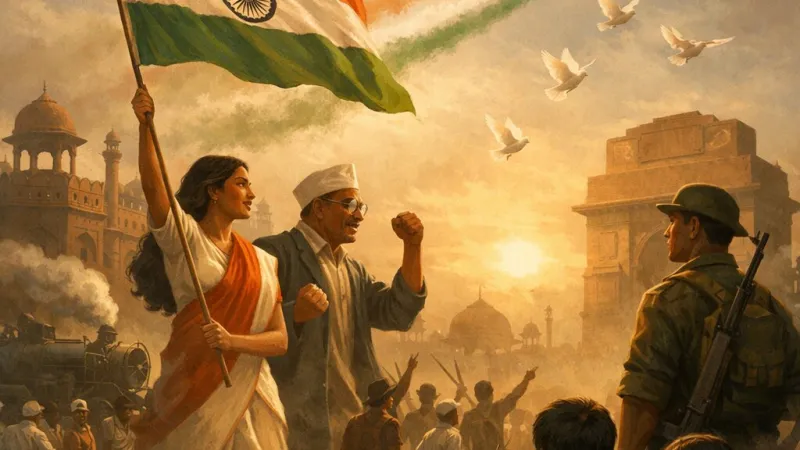
Independence Day in India is far more than a date circled on the calendar. It is a celebration deeply woven into the very fabric of our nation’s identity, a day that stands as a testament to the indomitable spirit and sacrifices of countless men and women. Each 15th of August, we remember not only the hard-fought freedom won from British colonial rule, but also affirm our unity amidst diversity, our patriotic pride, and our collective responsibilities as citizens of a free nation. This annual occasion is a reminder that freedom was dearly earned, and it is now our charge to uphold and strengthen the values for which so many gave their lives.
Historical Background of India’s Independence
Colonial Rule in India
India’s history under colonial rule stretches over two centuries. Beginning with the arrival of the British East India Company in the 17th century, what started as trade soon morphed into dominance. Company rule turned into direct British Crown governance after the Revolt of 1857. The riches of India, from its spices and textiles to gems and precious artwork, flowed into the hands of British officials and companies. Traditional crafts and industries suffered, and oppressive policies like heavy taxation and forced cultivation of cash crops led to several famines and social upheavals. The decline of India’s once-flourishing economy and the undermining of its cultural roots were not just about losing wealth—they were about a suppression of identity itself.Rise of Nationalist Movements
Resistance to colonial rule began almost as soon as it arrived but took many decades to gather momentum. The Revolt of 1857, though ultimately unsuccessful, set the stage as India’s “First War of Independence”, with heroes like Rani Lakshmi Bai of Jhansi and Mangal Pandey lighting the spark for future generations. The founding of the Indian National Congress in 1885 marked the beginning of a structured, pan-Indian resistance. Over time, leaders emerged—Mahatma Gandhi pioneered the path of satyagraha, or non-violent civil disobedience, inspiring millions. Jawaharlal Nehru, Sardar Patel, and Subhas Chandra Bose each contributed uniquely—whether by uniting princely states, demanding “Purna Swaraj” (complete independence), or leading the nationalist movement from abroad. Protests like the Non-Cooperation Movement, Salt March, and Quit India Movement brought people from all walks of life together, from the lanes of Kolkata to the villages of Tamil Nadu.Challenges During the Freedom Struggle
The journey to independence was fraught with dangerous challenges. British authorities responded with violence, mass arrests, censorship, and even massacre, such as the tragic Jallianwala Bagh incident in 1919. Political leaders and ordinary citizens faced long imprisonments; yet, the movement only grew stronger. Unfortunately, colonial tactics of “divide and rule” fanned communal tensions and distrust between different groups. However, visionary leaders continually called for unity and harmony, refusing to allow differences to break the nation’s resolve.Road to Independence
As World War II strained Britain’s resources, the final years saw intense negotiations and uprisings. On 15 August 1947, at midnight, Jawaharlal Nehru addressed the nation in his famous speech, “Tryst with Destiny,” declaring India a free country. The joy of freedom was tempered by the sorrow of Partition—Hindustan was divided into India and Pakistan, displacing millions and leading to heart-wrenching violence. Yet, through adversity, India remained resilient, vowing never to let hatred overshadow its hard-won liberty.Significance of Independence Day
National Pride and Identity
Independence Day is beyond just ceremonial observance; it is about remembering the resilience of Bharat. The morning’s flag-hoisting reconnects every Indian to the sacrifices of freedom fighters who endured lathi charges, imprisonment, and even gallows, from Bhagat Singh to Matangini Hazra. The tricolour flying high is a symbol of our triumph, reminding us that our sovereignty is hard-won and must be cherished.Unity in Diversity
India prides itself on being a “melting pot” of languages, religions, customs, and cuisines. The beauty of Independence Day is seen in its universal celebration, whether in Punjab’s gurdwaras, Tamil Nadu’s temples, Kerala’s mosques, or the churches of Goa. The day speaks of integration and harmony, echoing Dr. B. R. Ambedkar’s vision of a truly united nation.Educational and Patriotic Importance
For students across the country, Independence Day brings alive stories from history books. It transforms dry facts into living reminders of bravery and hope. The day instils a sense of responsibility and urgency in youth—the future of India—to work selflessly towards a brighter tomorrow.How Independence Day is Celebrated Across India
Official Ceremonies in New Delhi
The heart of the celebration is in New Delhi, where the Prime Minister addresses the nation from the ramparts of the Red Fort—a tradition since 1947. The flag-hoisting is followed by the national anthem, Jana Gana Mana, and the air rings with patriotic songs. The event includes a guard of honour by the armed forces, colourful march past parades, and cultural performances representing different states. The Prime Minister’s speech highlights not only past achievements but also present challenges, such as economic growth, social justice, and national security.Celebrations in Schools and Colleges
From bustling metropolitan classrooms in Mumbai to small schools in Assam’s tea gardens, Independence Day is celebrated with great fervour. Students engage in a variety of programmes: group dances to “Vande Mataram,” skits portraying leaders’ sacrifices, essay and speech competitions on the theme of freedom, and quizzes on Indian history. Even teachers participate, sharing anecdotes about the independence movement to make history more meaningful.Community and Public Observances
Every neighbourhood, be it a posh Delhi colony or a fishing village in Kerala, hosts its own flag-hoisting, usually led by senior citizens or local leaders. People decorate streets and homes with saffron, white, and green, and unfurl small paper flags. Freedom runs, rallies, and cleanliness drives are common. On television and radio, patriotic movies, documentaries, and interviews with veterans keep the spirit alive throughout the day. Unique regional touches, like singing tribal folk songs or performing dandiya in Gujarat, showcase the rich cultural diversity of India.Social Media and Modern Celebrations
In recent years, digital campaigns have brought a new flavour to Independence Day festivities. Youngsters create and circulate short films remembering martyrs, share motivational quotes on WhatsApp, and participate in trending hashtags to raise awareness about current issues—whether it’s girl child education, environmental conservation, or Swachh Bharat. This blend of tradition and technology keeps Independence Day relevant for every new generation.Core Values and Lessons from Independence Day
Respect for Freedom and Rights
Independence is not just about political autonomy; it means every citizen has the right to speak, worship, and dream. But along with rights come duties—to respect others’ freedoms and safeguard the democratic ideals laid down in the Constitution.Responsibility Towards National Progress
Our real tribute to freedom fighters lies in building a prosperous, inclusive, and sustainable nation. Whether by excelling in education, innovating in science, volunteering for a good cause, or voting responsibly, every small act contributes to the dream of a developed India envisioned by leaders like Dr. A. P. J. Abdul Kalam.Remembering Sacrifice and Legacy
Independence Day keeps alive the memory of those who suffered for the nation’s sake. Their stories urge us to be brave, truthful, and selfless in our actions, inspiring youth to respect elders and learn from the past.Keeping the Spirit of Unity Alive
Regional, linguistic, or religious prejudices threaten harmony. Independence Day reminds us to rise above differences, following the ahimsa (non-violence) taught by Mahatma Gandhi, and to uphold peace and brotherhood.Contemporary Relevance of Independence Day (2023)
India’s Growth Post-Independence
Since 1947, India has made giant strides. From launching indigenous satellites like Chandrayaan to exporting doctors and engineers worldwide, ours is a story of hope and progress. Government schemes like Digital India and Make in India show our confidence to lead in technology and industry. Improved literacy, better roads, increasing women’s participation—all reflect our march forward.Challenges Still Ahead
At the same time, the 77th Independence Day reminds us that problems remain. Poverty, illiteracy, gender discrimination, communal violence, and ecological degradation are significant issues. The COVID-19 pandemic also exposed gaps in health infrastructure.Role of Youth and Future Generations
Today’s youth, empowered by education and technology, must rise to meet these challenges with fresh ideas and strong ethics. Whether by developing green solutions or upholding secular values, young Indians are the torchbearers of our freedom fighters’ dreams.Reflection on the 77th Independence Day (2023)
In 2023, the government and citizens alike celebrated not only our past but also embarked on “Azadi Ka Amrit Mahotsav”, a massive campaign encouraging active citizenship and awareness about India’s cultural legacy. Each speech and initiative stressed the importance of unity and the need to preserve constitutional values.Conclusion
Independence Day is much more than an annual festivity; it is an occasion for collective remembrance and renewal. We recall the saga of our freedom fighters, reflect on our shared progress, and renew our vow to uphold the values of patriotism, democratic participation, and tolerance. As India moves confidently towards her centenary of independence, let us pledge—on this and every Independence Day—to honour our past, cherish our diversity, and work tirelessly for a India that is just, prosperous, and united. As Rabindranath Tagore dreamt, may our country awake “into that heaven of freedom,” where the mind is without fear and the head is held high.Frequently Asked Questions about AI Learning
Answers curated by our academic expert team
What is the significance of India's Independence Day on 15 August?
India's Independence Day on 15 August commemorates the nation's freedom from British rule, honors its unity in diversity, and reminds citizens to uphold hard-won values and responsibilities.
How did colonial rule impact India before Independence Day on 15 August?
Colonial rule drained India's wealth, suppressed cultural identity, harmed industries, and led to famines, causing deep economic and social upheaval before Independence Day was achieved.
Who were key leaders in India's struggle for Independence Day on 15 August?
Key leaders included Mahatma Gandhi, Jawaharlal Nehru, Sardar Patel, Subhas Chandra Bose, and Rani Lakshmi Bai, each contributing to India's battle for freedom before 15 August.
What important events led to the celebration of India’s Independence Day on 15 August?
Major events include the Revolt of 1857, Non-Cooperation Movement, Salt March, Quit India Movement, and finally freedom in 1947, leading to Independence Day on 15 August.
Why is Independence Day important for national pride and identity in India?
Independence Day strengthens Indian national pride by honoring freedom fighters, showcasing unity, and reaffirming the nation's commitment to freedom, diversity, and patriotism every 15 August.
Rate:
Log in to rate the work.
Log in