Discover how YouTube evolved in India, its impact on learning and society, and key features shaping digital growth for students and educators alike. 📱
YouTube: A Window to the World and Its Changing Tides in India
If you ask a teenager in Bengaluru where she learnt to play the guitar, or a shopkeeper in Meerut how he discovered new sales techniques, the answer is quite likely to be “YouTube”. In just under two decades, YouTube has become a household name, bridging gaps between rural and urban India, and creating an unparalleled platform for learning, entertainment, and self-expression. Its appearance on our smartphones is so familiar that it is hard to imagine a time before its existence. This essay delves into the powerful journey of YouTube—its beginnings, features, technological marvels, immense impact on society, the uniquely Indian context, and what its future might hold.
The Beginnings: From a Simple Idea to a Digital Giant
YouTube’s story began not in Silicon Valley's posh offices, but in the ideas of three former PayPal employees—Chad Hurley, Steve Chen, and Jawed Karim. Frustrated by the lack of a simple way to share videos online, they decided to create a platform with one straightforward aim: making video sharing easy and accessible. The first ever video, “Me at the zoo”, was uploaded by Jawed Karim in 2005—a short, almost casual piece that now holds iconic value. Its simplicity belied the tremendously complex and influential force YouTube was to become.
Just one year after its launch, YouTube was purchased by Google for a then-astonishing sum of USD 1.65 billion in stock. This acquisition changed the trajectory of YouTube—under Google’s umbrella, it gained the resources, technical expertise, and global reach to scale rapidly. Over the years, leadership figures like Susan Wojcicki steered its growth, creating a platform that today hosts billions of videos and serves as the second largest search engine in the world, after Google itself.
YouTube’s evolution is a testament to innovation—embodying the spirit of transforming basic ideas into a platform with services such as YouTube Music, YouTube Kids, and YouTube TV. Each addition catered to niche needs, making it a one-stop shop for music lovers, parents seeking safe content for their children, and cord-cutters pursuing live television online.
Features and Functionalities: More Than Just Videos
What sets YouTube apart are its diverse features, designed for variety, engagement, and inclusivity.
Core Services
At the heart of YouTube is the simple act of uploading, viewing, and sharing videos—an act that can range from an ordinary vlogger’s daily diary to a full-fledged Bollywood trailer launch. Alongside, interaction tools like the ubiquitous “like” and “dislike” buttons, comments section, and the ability to “subscribe” to your favourite creators, foster engagement and feedback.
The search functionality is a pillar of YouTube’s popularity—as of today, YouTube stands as the world’s second biggest search engine, even surpassing giants like Yahoo! in volume. For many, searching for an answer means heading to YouTube before anywhere else.
Extended Services
Realising that users needed more than random videos, YouTube diversified its offerings. YouTube Music caters to both classical and contemporary Indian music aficionados. YouTube Kids, launched with Indian parents ever-wary of inappropriate online content in mind, offers a safer environment with strict parental controls and curated children’s content. And for those turning away from traditional cable TV, YouTube TV brings live channels to one’s fingertips—a service that, though still limited in its India rollout, shows the platform’s future ambitions.
The Hidden Machinery
Behind YouTube’s simple interface runs a complex web of technologies—primarily built with Python, C++, and Java—which ensure the platform is robust, scalable, and able to handle billions of views daily. Most users experience YouTube’s artificial intelligence in the form of personalised recommendations—an algorithm analyses hundreds of factors, from what you’ve recently watched to what’s trending in your locality, to present videos you may like. This can create filter bubbles, but when used wisely, it ensures a tailored, engaging experience.
How Creators Earn
Monetisation is another cornerstone—Google AdSense links with YouTube to display advertisements, turning vloggers and musicians into entrepreneurs. The YouTube Partner Programme allows creators who meet certain criteria—like 1,000 subscribers and 4,000 watch hours—to earn a share of revenue, incentivising high-quality, original content. Many Indian creators have transformed their lives through this digital gold mine, creating new role models for the nation’s youth.
Societal Impact: From Local Voices to Global Culture
Democratization of Content
Unlike traditional television controlled by a few studios, YouTube has democratised content creation. It is possible for a college student in Chennai, a homemaker in Guwahati, or a farmer in Punjab to upload videos and potentially reach a global audience. This mirrors the Indian literary tradition of the 'kavi sammelan', where anyone could stand up and recite poetry, but now on a digital stage open to the world.
Shaping Popular Culture
The influence on music and pop culture is immense. Songs like “Why This Kolaveri Di” or dance steps from regional movies have turned viral first on YouTube, later spilling into films, TV, and even political rallies. Whether it is cricket highlights, food vlogs, or political commentary, YouTube has moulded and mirrored Indian social trends.
Promoting Regional Diversity
In a country as linguistically diverse as India, YouTube became a platform where Bhojpuri musicians, Marathi storytellers, and Malayalam tech reviewers could coexist and flourish. Platforms that were once dominated by English and Hindi have seen a surge in uploads in Tamil, Telugu, Bengali, and even dialects like Haryanvi—giving a digital voice to India’s diversity.
Education in the Digital Age
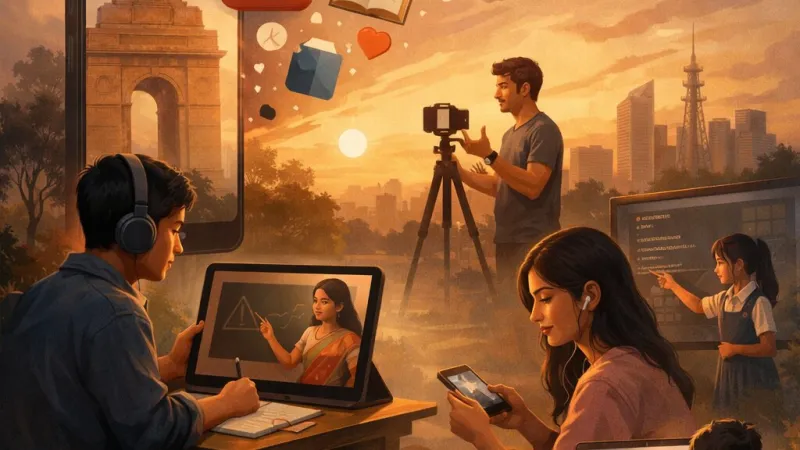
With the push towards digital learning, especially post-COVID-19, YouTube became the new classroom. Educational channels like “ExamFear Education”, “Unacademy”, and “Khan GS Research Centre” have empowered millions of students to access free lectures, especially in rural areas where private coaching is unaffordable. During board exam seasons, students often say “I learnt Trigonometry from YouTube”, showing its potent role in supplementing formal education.
Social Awareness
From Swachh Bharat campaigns to COVID-19 safety advisories, YouTube has hosted a barrage of public service messages. It’s also pivotal in raising awareness on societal issues like dowry, mental health, climate change, and gender equality, often being the first place a viral social change movement gains momentum.
Dark Sides and Ongoing Challenges
No digital utopia exists without pitfalls. Misinformation, fake news, hate speech, and privacy concerns occasionally threaten YouTube’s integrity. Incidents like mob violence triggered by doctored videos, or cyberbullying of creators, remind us of the dangers. YouTube counters with algorithms, warning labels, and a dedicated content moderation network, but the task is Sisyphean given India’s complex socio-political landscape.
The Indian Scene: An Explosion of Creativity and Opportunity
User Base and Regional Boom
As per official figures, India boasts over half a billion active YouTube users—a number rising hand-in-hand with affordable smartphones and cheap data, pioneered by companies like Jio. Rural and semi-urban creators are finding a voice, breaking urban monopolies, and offering variety previously unseen in Indian media.
Stars from Small Towns
Success stories abound—Nisha Madhulika, a grandmother from Noida, built a global following with her Hindi cooking tutorials; CarryMinati from Faridabad became the nation’s most subscribed individual creator with his roasting videos; and southern content creators like Madan Gowri or Techno Ruhez reached fame outside traditional film industries. These stories provide hope in a country where opportunities are often tied to geography and resources.
Economic Implications
YouTube is now an economic lifeline—whether as a full-time career or side hustle. The rise of digital marketing agencies, influencer careers, and even local businesses relying on YouTube for visibility has created new job opportunities in a tough employment landscape.
Unique Challenges
While YouTube bridges divides, it also reflects them—questions of digital literacy, regional censorship, and internet access remain. The digital divide, especially for women and rural communities, hinders universal access. Government regulations, such as demands to remove “anti-national” content, reflect the tightrope YouTube must walk in India’s vibrant, yet volatile, democracy.
The Road Ahead: What Does the Future Hold?
Technological Transformation
With AI-driven content discovery and emerging experiences in virtual and augmented reality, the boundaries of storytelling are expanding. YouTube Shorts, inspired by the viral success of TikTok, captures the attention of Indian youth who prefer quick, bite-sized entertainment.
Navigating Regulation and Ethics
Misinformation and privacy concerns mean YouTube faces increasing scrutiny—both from the government and civil society. The task before the platform is to balance freedom of expression—a right long prized in Indian thought, from the Upanishads to the Constitution—with responsible moderation.
YouTube as a Pillar of “Digital India”
YouTube now forms an essential part of government campaigns, from issuing exam guidelines to livestreaming parliamentary debates. Its partnership with governmental Digital India initiatives promises even broader reach in rural education, healthcare, and social messaging.
Conclusion
YouTube’s journey from a small video-posting website to a global phenomenon mirrors the ever-changing world of the Internet. For India, especially, it is not just a source of entertainment, but a powerful engine of education, economic mobility, and social change. However, like every powerful invention, its impact depends on how wisely it is used—creators must wield it responsibly, viewers must approach it critically, and regulators must ensure it remains free yet fair. As we move further into an era defined by digital engagement, YouTube’s screen might just be the mirror in which we glimpse the dreams, dilemmas, and destinies of a new India.
Frequently Asked Questions about AI Learning
Answers curated by our academic expert team
What is the impact of YouTube's evolution in India for students?
YouTube's evolution in India has provided students with easy access to diverse educational resources and learning opportunities, bridging urban-rural divides and supporting self-learning.
Who founded YouTube and how did it begin?
YouTube was created in 2005 by Chad Hurley, Steve Chen, and Jawed Karim to make video sharing simple and accessible worldwide.
How has YouTube's impact on Indian society changed over time?
YouTube has grown from a video sharing site to a vital platform for learning, entertainment, and self-expression, influencing lifestyles across urban and rural India.
What are the main features of YouTube for Indian students?
Key features include video uploading, viewing, robust search functionality, interactive tools like comments and subscriptions, and specialized services like YouTube Music and YouTube Kids.
How does YouTube's technology support its services in India?
YouTube uses advanced technology including Python, C++, and Java, along with artificial intelligence algorithms to deliver personalized recommendations and handle billions of daily views.
Rate:
Log in to rate the work.
Log in