How to Introduce Yourself as a Cabin Crew Fresher — Tips for Indian Students
This work has been verified by our teacher: 22.01.2026 at 6:43
Task type: Specialised Knowledge
Added: 18.01.2026 at 13:28
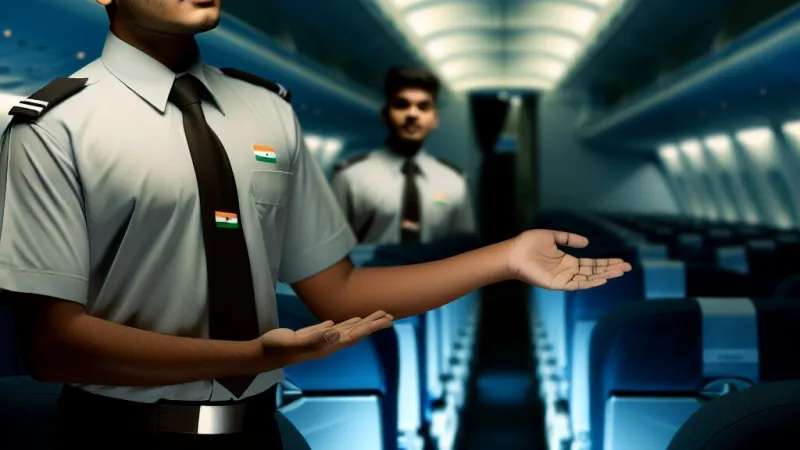
Self Introduction for Cabin Crew Fresher: An Indian Student’s Perspective
The journey of becoming a cabin crew member is one that begins much before stepping onto the aircraft. For most aspirants in India, the very first step is creating a memorable self introduction, which sets the tone for the recruitment process. In the dynamic and competitive realm of aviation, the importance of making a positive first impression cannot be emphasised enough. Whether during an interview, a group discussion, or even a preliminary screening, the way a fresher introduces themselves demonstrates not only their readiness for the role, but also their personality and potential.
What makes the cabin crew profession especially significant is its unique blend of service, safety, and instant decision making. Airline recruiters look not only for well-groomed candidates with crisp uniforms, but also for those who exude authentic warmth, strong communication skills, and the ability to adapt. For Indian students, who often come from diverse educational backgrounds ranging from small towns to metropolitan cities, the self introduction is both a reflection of their preparation and an opportunity to bridge those differences. This essay delves into how a fresher can introduce themselves confidently for a cabin crew role, highlighting personal qualities, career motivation, and relevant skills, while drawing on experiences and traditions from the Indian educational context.
Structuring the Self Introduction
Greeting and Basic Information
A self introduction, whether for Indigo, Air India, or any other reputable airline, should open with a warm, professional greeting. Addressing the panel politely, with phrases such as “Good morning respected panel” or “Namaste and good afternoon”, immediately establishes respect and awareness of Indian etiquette. Clearly stating one’s name—“My name is Sanya Gupta”—removes any ambiguity, and helps interviewers to address the candidate personally.Sharing brief details, such as hometown or educational background, makes the introduction more relatable. For instance, referring to one’s roots—“I hail from the culturally vibrant city of Udaipur”—subtly expresses pride in regional diversity, a trait valued in an inclusive workplace such as airlines.
Importantly, unless specifically asked, mentioning age is optional and best avoided so as not to shift focus from key strengths.
Educational Background and Training
Indian airlines and recruiters appreciate candidates who balance academic achievements with industry-specific training. Even if one’s degree isn’t directly related to aviation, it is essential to mention relevant courses, certifications, or even short-term workshops.For example, a B.Com graduate might say, “Along with my Bachelor’s degree in commerce from Delhi University, I completed a short-term certification in hospitality management.” Internships—perhaps at Taj Hotels or volunteering at an airport information desk—show practical exposure and initiative.
Many colleges, inspired by the legacy of institutions like IHM or Frankfinn Institute, now offer airline hospitality courses, and referencing such experiences demonstrates both preparation and passion for the field. Even school-level activities such as guiding visitors during events like the annual school fest can be cited as cases of taking responsibility—an indicator of service orientation.
Personal Traits and Soft Skills
What sets a successful cabin crew candidate apart is not only what they know, but how they react, interact, and conduct themselves. Qualities such as effective communication, empathy, teamwork, and calmness in challenging situations rise to the forefront during a self introduction.Citing a real experience, such as helping resolve a dispute during a college event, shows the capability to handle conflicts diplomatically. Mentioning language skills—“I am fluent in Hindi and English, and can speak basic Bengali, which helps me connect with a diverse group of people”—directly relates to the multicultural context of Indian flights, where passengers often belong to various linguistic backgrounds.
Adaptability is a sought-after quality. Referencing experiences like moving cities for studies or working with people from different backgrounds during college fests or NSS camps can effectively demonstrate this trait. Indian education often values teamwork through group projects and activities like sports or cultural programmes—sharing these examples is particularly effective.
Passion for Travel and Motivation
A common question recruiters ask is, why cabin crew? Here the answer must go beyond the glamour. Indian youth are increasingly exposed to different cultures through family trips, school exchanges, or even Bollywood movies portraying the joys and challenges of aviation.Citing a genuine fascination for travel—“I grew up listening to my father narrate stories from his railway job, which sparked my interest in meeting new people and exploring places”—helps interviewers connect with one’s narrative. Moreover, expressing happiness in serving passengers, or recalling moments where one felt a sense of fulfilment in helping others, signals the right motivation for a service-driven profession.
Choosing cabin crew over other jobs can be supported by stating a desire for dynamic workdays, the thrill of international exposure, or the intrinsic reward of ensuring passengers’ safety and comfort at 35,000 feet.
Showcasing Relevant Skills
Indian students often underestimate the value of life skills gained outside formal jobs. But for cabin crew roles, recruiters appreciate practical abilities such as multitasking, quick problem-solving, and effective conflict resolution. A fresher might mention, “During my internship at a leading hotel in Chennai, I successfully handled guest complaints during a power outage, ensuring their comfort despite the challenge.”Physical endurance also matters; thus, referencing participation in sports, yoga or even managing long hours during college fests can indicate fitness and stamina. For those comfortable in multiple languages, stating proficiency in Hindi, English, or any regional tongue—Malayalam, Tamil, Marathi, or Gujarati—can be a major asset, enhancing rapport with both colleagues and passengers.
Future Aspirations, Commitment, and Closing
No recruiter expects a fresher to have deep industry experience; instead, they look for ambition, commitment, and willingness to grow. Expressing eagerness to continuously learn, abide by airline safety standards, and uphold the airline’s reputation is vital. For example, “I look forward to representing my airline with integrity, adapting to global service standards, and building meaningful connections with passengers and colleagues.”Finally, ending with a modest, sincere thank you—“Thank you for considering my application and giving me this opportunity to introduce myself”—wraps up the introduction on a polite, confident note.
Tips for Making the Self Introduction Effective
Conciseness and Impact
Recruiters, at times, meet hundreds of candidates in a day. Hence, a concise introduction—lasting about one to two minutes—is ideal. Avoiding unnecessary details and focusing on key achievements creates a strong impact.Body Language and Presentation
Non-verbal cues are as important as spoken words. Indian interviewers appreciate a pleasant smile, direct eye contact, and an upright posture. Simple gestures—like nodding politely—can reflect confidence and openness.Tailoring to Airline Culture
Researching the airline’s ethos is vital. For instance, Air India values tradition and hospitality, Indigo focuses on punctuality and innovation, while Vistara projects luxury and warmth. Embedding subtle references—“I resonate with your airline’s emphasis on safety and innovative passenger care”—shows commitment.Using Authentic Examples
Examples from volunteering in NSS, participating in youth parliaments, managing college fests, or assisting at religious or social events demonstrate real experience in handling people, leading teams, or solving issues quickly.Language and Clarity
Most airlines in India expect functional fluency in English and Hindi, but value simplicity. Steer clear of usage that sounds rehearsed or artificial. Speaking in crisp, clear sentences, pronouncing words accurately, and avoiding slang ensures clarity.Sample Self Introduction for Cabin Crew Fresher
Good afternoon, members of the panel. My name is Arjun Singh and I am from Lucknow, Uttar Pradesh. I graduated with a Bachelor’s in English Literature from Lucknow University, where I was an active member of the hospitality club. I also completed a certification in aviation hospitality from IGI Aviation Institute, Delhi, which introduced me to the core aspects of passenger service and inflight safety.Having participated in organising college events and volunteering as a student coordinator, I developed strong communication and interpersonal skills, often resolving conflicts among participants and remaining calm under pressure. I am comfortable speaking Hindi, English, and can converse in basic Punjabi, allowing me to connect with a diverse set of passengers.
My passion for travel and cultures, inherited from my experiences hosting exchange students during university events, motivates me to aspire for a cabin crew career. I am eager to learn, grow, and contribute to your airline by consistently delivering a pleasant flying experience to every passenger.
Thank you for giving me the opportunity to introduce myself.
Additional Considerations for Indian Freshers
Indian aviation, with its linguistic and cultural diversity, values candidates who are sensitive to passengers’ varied backgrounds. Mentioning proficiency in regional languages, or experiences like handling tourists in Kerala, adds a layer of authenticity.Grooming is another aspect that Indian freshers must pay attention to. Professional attire, neat hair, and a confident yet humble demeanour echo the standards expected in India’s top airlines.
Since freshers may not have industry experience, focusing on soft skills developed through internships, volunteer work, and college activities helps bridge that gap. For instance, acting as a student guide for foreign delegates at an Indian university showcases the ability to handle diverse situations with poise.
Conclusion
A well-structured self introduction remains the most powerful tool in a cabin crew fresher’s arsenal. It encapsulates the essence of one’s background, skills, attitude, and professional aspirations. What truly matters is blending these elements with sincerity, drawing on personal as well as cultural experiences unique to India’s multifaceted backdrop.Ultimately, a cabin crew member is a guardian of safety, a source of comfort, and a symbol of hospitality for millions of flyers. Thus, introducing oneself with passion, clarity and integrity is the perfect first step in embarking on this noble journey among the clouds.
Rate:
Log in to rate the work.
Log in