10 Short Lines on Dowry System for Students
This work has been verified by our teacher: 16.01.2026 at 12:49
Type of homework: Essay Writing
Added: 16.01.2026 at 11:51
Summary:
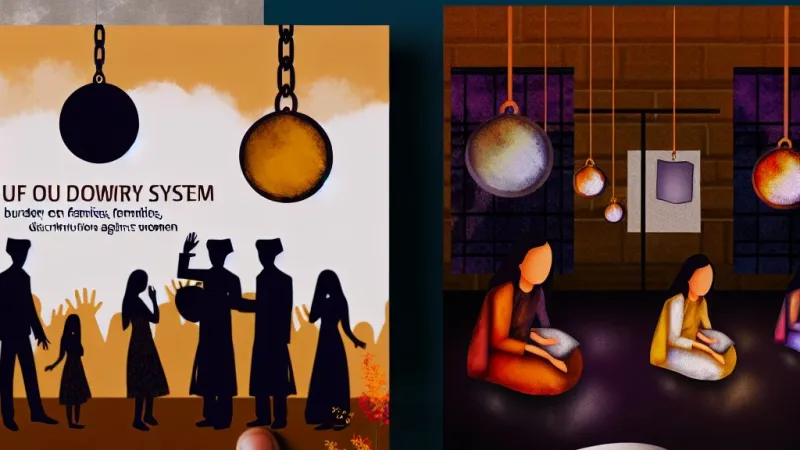
System posagu obciąża rodziny, dyskryminuje kobiety i prowadzi do przemocy. Prawo zabrania posagu — edukacja i wspólne „Nie dla posagu” są potrzebne.
10 Lines on Dowry System
1. Dowry is money, gifts, or property that the bride’s family gives to the groom’s side during marriage, such as jewellery or cash. 2. It becomes a social problem when these gifts are demanded as a fixed right, instead of being a free choice. 3. Dowry puts a heavy financial burden on the bride’s family and often forces them to take loans or sell belongings. 4. This practice shows gender discrimination, as it lowers the respect for girls and treats marriage like a business deal. 5. When dowry demands are not met, it can lead to harassment, ill-treatment, or even abuse of the bride in her new home. 6. Such pressures from dowry may cause family fights, broken relationships, and sometimes long court cases. 7. Giving or taking dowry is illegal in India, and the offenders can be punished under the law. 8. Education and awareness are important to help families say no to dowry and to encourage equal treatment in marriages. 9. Communities, schools, religious leaders, and the media should unite to speak out against the dowry system. 10. If we all refuse to take or offer dowry and support those in trouble, we can end this harmful practice and build a fairer society.---
Short Essay: The Dowry System in India
The dowry system is an old social custom where the bride's family gives gifts, money, or property to the groom's side during marriage. In modern India, this practice has become a serious issue that affects many families and our society as a whole.
How Tradition Became a Problem
In earlier times, parents sometimes gave their daughters gifts at marriage to help them start their new life, provide security, or as a token of love. But over years, this tradition changed. It turned into an expectation or even a demand. Now, dowry is often seen as an unwritten rule in many places, whether rural or urban, and cuts across economic backgrounds.Effects of the Dowry System
The dowry system brings many problems. For one, it puts huge financial pressure on the bride's family—parents may spend years saving money or selling land just to arrange their daughter's marriage. This system openly discriminates against girls; people start seeing them as a ‘burden’ rather than equals. There have been many cases where brides are mistreated or abused by their in-laws if their family cannot meet the dowry demands. Sometimes this even leads to broken marriages and lengthy court battles, which add to the pain and bring social shame. The mental stress on young girls and their families cannot be ignored.Laws and Social Actions
To fight against this evil, the Indian government has made strict laws. The Dowry Prohibition Act, 1961, makes giving or taking dowry a punishable crime. Sections in the Indian Penal Code also offer protection to women. But laws alone are not enough. It is also important for everyone—relatives, neighbours, teachers, and religious leaders—to speak out and act against dowry. Schools can organise debates, poster-making, and plays to spread awareness.Solutions and Hope for the Future
The main solution is education: teaching people that respect and love matter more than wealth or gifts. Boys and girls must both be taught that marriage should never be about money. If anyone sees a dowry demand, they should report it to the police. Families can take pledges not to give or accept dowry. Youngsters have the responsibility to shape a new India, where each marriage is based on trust and equality.Let us all promise to respect every girl child and say, “No to Dowry!” Together, we can end this injustice and build a happier, more equal society.
---
Notes for Adaptation
- For younger classes (1-5): Use shorter sentences, simpler words, and focus more on empathy and fairness (“It is wrong to ask for money for marriage. Boys and girls are equal.”). - For classes 6-10: Discuss the legal framework, real examples from recent news (without graphic detail), and encourage reflection on how social change can begin at home and school. - For speeches: Expand each line with a personal thought, such as “Imagine how a girl feels when her value is measured in gifts. Is that right?”---
Sample Slogans
- “Respect before Riches: Stop Dowry!” - “Will you take a pledge with me? No giving, no taking dowry!” - “Equal Rights, Happy Marriages—Say No to Dowry!”---
In conclusion, dowry continues to harm many families in India, but through awareness, education, and collective action, we can end this practice. Let us join hands to protect the dignity of every daughter and work for a society where marriages begin not with money, but with genuine respect.
Rate:
Log in to rate the work.
Log in