Short Zebra Essay: 10 Simple Lines for Class 1-6
This work has been verified by our teacher: 16.01.2026 at 21:37
Type of homework: Essay Writing
Added: 16.01.2026 at 21:08
Summary:
Learn a Short Zebra Essay with 10 Simple Lines for Class 1-6, covering appearance, habitat, diet, behaviour and conservation in easy lines for homework.
10 Lines on Zebra
Option A: Strict 10-Line Version (For Class 1–3)
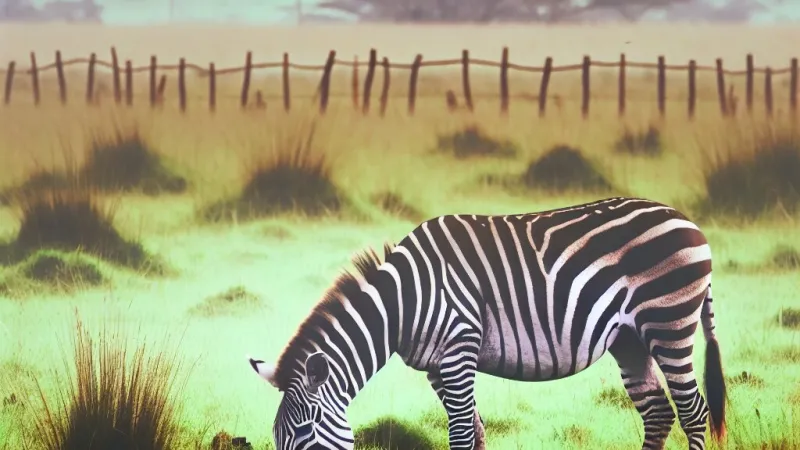
1. A zebra is a wild animal known for its black and white stripes. 2. Zebras look a bit like horses but have short, upright manes. 3. There are three main species of zebra: plains zebra, Grevy’s zebra, and mountain zebra. 4. They live mostly in the grasslands and savannahs of Africa. 5. Zebras eat grass and sometimes munch on leaves or bark. 6. They usually live together in groups called herds. 7. A baby zebra is called a foal, and it can stand up soon after birth. 8. Zebras can run very fast to escape from hungry animals like lions. 9. Scientists think their stripes help them hide or protect them from insects. 10. Zebras are in danger from hunting and losing their homes, so people work to protect them.---
Option B: Expanded Paragraph Version (For Class 4–6)
and AppearanceA zebra is a large, wild animal which is most easy to recognise because of its black and white stripes. These stripes are unique to every zebra, making each one look a little different from the others, just like how every person’s fingerprints are special. Zebras are members of the Equus family, which means they are related to horses and donkeys.
Species, Habitat, and Diet
There are mainly three types of zebras that we know about: the plains zebra, which is the most common and seen in big families; the Grevy’s zebra, which is larger and has narrow stripes; and the mountain zebra, which prefers steep, rocky slopes. They all live in Africa, often seen on open grasslands, wide savannahs, or sometimes in hilly places. Zebras eat fresh grass most of the time but may also nibble on leaves or bark if grass is dry. Since they are always searching for tender grass, they move long distances during the dry season to find water and food.Behaviour, Social Life, and Young
Zebras are never alone for long. They live in groups for safety, called herds, and sometimes these herds come together in huge numbers. This group life helps protect them, as the zebras take turns keeping watch for lions, leopards, or hyenas. A baby zebra is called a foal, and it usually learns to stand and walk within minutes, ready to keep up with the group. The mother zebra takes very special care of her foal, and the family protects all the young ones together.Adaptations, Escape, and Conservation
Zebras are quick and can run up to 60 to 65 kilometres per hour. Instead of running in straight lines, they often dodge suddenly to confuse chasing predators. Scientists believe the unique stripes help zebras in many ways: they may act as camouflage in tall grass, confuse enemies by making it hard to see just one zebra, or even keep biting insects away. Today, zebras face dangers like loss of grazing land, hunting, and competition with farm animals. Conservation groups and national parks work hard to protect zebras, so that future generations too can see these magnificent striped animals.---
Option C: Short Speech Version (60–90 Seconds, as Delivered in Indian Schools)
Good morning respected teachers and my dear friends. Today, I am going to speak a few lines about the zebra.A zebra is a wild animal easily known for its black-and-white stripes. It looks similar to a horse but has a bushy black mane. There are three main kinds of zebras: the plains zebra, Grevy’s zebra, and the mountain zebra. Zebras live mainly in Africa, on open grasslands and sometimes in hilly places. Their favourite food is grass, though they also chew on leaves and bark when grass is not available. They always stay together in groups called herds, so they can watch out for danger together. A baby zebra is called a foal, which gets up and starts walking soon after being born. Zebras are fast runners, and they can turn quickly to escape hungry animals like lions. Scientists say that the stripes help zebras hide in the grass, protect each other, and even scare away biting insects. Sadly, zebras are losing their homes on the grasslands and are sometimes hunted. That is why people protect zebras in wildlife sanctuaries, and we should always help to keep animals safe. Thank you.
---
Guidance: How to Remember and Expand
Tips to Learn and Expand
For younger classes, you can remember these ten facts by drawing a zebra and writing one line next to each body part. For older classes, you can write three short paragraph answers by linking two or three points into each paragraph using simple joining words like “because”, “such as”, or “for example”. Always begin your essay or speech with a greeting and close with a short statement about saving animals.---
Cultural and Educational Connections
In India, many students have seen zebras in books, drawings, or at popular places like the Nehru Zoological Park in Hyderabad or at the National Zoological Park in Delhi. While zebras are not found in Indian forests, their story is taught in EVS (Environmental Studies) textbooks from Class 2 upwards, often along with other well-known wild animals of Africa, like the lion and the giraffe.Zebras are sometimes included in Indian children’s literature as part of stories about jungle life or adventurous journeys to distant continents. For example, in “Chhota Bheem and the Safari Adventure”, the characters meet stripes animals and learn about their habitats, making learning about zebras both informative and entertaining. In poetry, the zebra’s striking appearance is often compared to the simplicity and beauty of natural patterns, just like the peacock's colourful feathers in Indian folklore.
---
Conservation and Moral Message
Just as we protect tigers, elephants, and rhinos in our own national parks like Kaziranga or Kanha, we should also learn about animals like the zebra that need help in other places. We can help by learning more about wildlife, not buying animal products, and respecting nature whenever we visit zoos or parks. Remember, every wild creature is important for our world.Let us all promise to care for animals and keep our earth a safe home for everyone.
Rate:
Log in to rate the work.
Log in