Ten Lines on the Horse: Traits, Habits & Cultural Significance
This work has been verified by our teacher: 4.02.2026 at 14:32
Type of homework: Essay Writing
Added: 3.02.2026 at 14:38
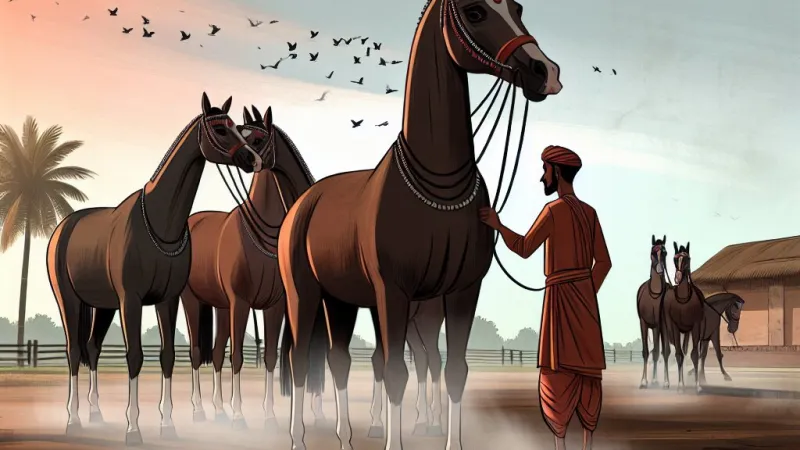
Summary:
Discover key traits, habits, and cultural importance of horses in India. Enhance your essay with facts on their physical features and historic role.🐎
The Horse: A Majestic Companion of Mankind
Throughout civilisation’s journey, the horse has stood as a proud emblem of power, grace, and steadfast companionship. For thousands of years, horses have been inseparable friends of humankind, featuring in epic tales, paintings, and even the daily lives of ordinary people. In India, too, from royal courts to rural fields, their hoofbeats have echoed through the pages of history and folklore. This essay explores the horse’s mesmerising appearance, unique habits, significance in culture, and the enduring relationship shared with humans, especially within the Indian context.Physical Characteristics of Horses
The first impression that a horse leaves is its majestic and robust physique. Horses are known for their tall stature, strong bodies, and remarkably well-shaped limbs adapted for swift movement and carrying loads. Their muscular frame, arched neck, and broad chest not only reflect physical strength but also contribute to their elegant gait, forming a picture of beauty in motion.The coat of a horse comes in an array of colours. Whether it is the shimmering black of a Marwari stallion or the rich chestnut of a Kathiawari mare, every shade has a story. Common hues include brown, black, white, grey, and bay, with certain breeds exhibiting unique patterns such as spotted or piebald coats. The horse’s thick, flowing mane and long tail are not just ornamental. These help in keeping flies away and are also vital in social communication, as a flick of the tail or a toss of the mane can signal the horse’s mood.
There is considerable variation in size among horses. Ponies are smaller, stocky relatives suited for children or light work, whereas draft breeds like the Bhutia horses in the hills are known for their strength despite their relatively small size. In contrast, the rare Manipuri pony played a vital role in the development of Polo. Larger breeds such as the thoroughbred are known for their speed and dance-like gallop on the racetrack. Sensitive ears, keen eyesight—capable of seeing almost 350 degrees—and a sharp sense of smell render horses alert and responsive to their surroundings.
Classification and Terminology
Horses have their own vocabulary of identities. A male is called a ‘stallion’, a female is a ‘mare’, and a young horse is fondly termed a ‘foal’. In social settings, horses naturally live in groups called ‘herds’, led usually by a dominant mare. In India, the image of herds galloping across the plains of Rajasthan or Himachal is a common rural sight.When it comes to family life, horses usually give birth to one foal after a gestation of almost eleven months. The gentle bond between a mare and her newborn has inspired many a local folk song and story. Worldwide, there are more than three hundred different breeds, ranging from speedy Arabians to sturdy and calm Clydesdales. In India, the indigenous Marwari horse stands out with its distinctive inward-turning ears—a symbol of Rajput pride.
Diet and Eating Habits
Nature has made horses strict herbivores. Grass, oats, grains, hay, and sometimes fruits like carrots and apples form their staple diet. Their digestive system is designed for small, frequent meals rather than a few large feasts. As a result, one can spot horses grazing quietly for hours in a field. Their methodical habit of sniffing and inspecting food before eating is a sign of their intelligence and caution.Water is essential for them, especially under the Indian sun. Regular grooming, whether by rolling in dust or rubbing against a tree, is a natural behaviour. Horses not only groom themselves but also each other, strengthening social bonds within the herd—a practice commonly seen in horse stables from Punjab to Tamil Nadu.
Behaviour and Temperament
What truly sets horses apart from many other animals is their gentle and expressive temperament. They thrive in the company of others. In the wild, horses have elaborate communication systems: a twitch of the ear, swish of the tail, gentle snort, or even a sudden neighing sound can express curiosity, alertness, affection, or fear.Known for their loyalty and intelligence, horses in India have been companions not only to kings and soldiers but also to farmers and children. Maharana Pratap’s legendary Chetak is celebrated in history and literature alike for his unmatched dedication and courage. With proper training, horses can quickly learn commands, routines, and develop a close rapport with their caretakers.
Their graceful yet powerful movements show why horses excel in running, carrying loads, and participating in games or rituals. In many Indian wedding processions, the groom’s arrival on an elaborately decorated white horse is seen as highly auspicious.
Historical Significance of Horses in India and Across the World
Domestication of horses dates back several millennia. Horses revolutionised transport, warfare, agriculture, and communication. The role of horses in the great Indian epics, from Arjuna’s chariot in the Mahabharata to the horses of Lord Surya in Hindu mythology, signifies their deep cultural integration.Famous horses have often stepped out of legend into history. Maharana Pratap’s Chetak, who gave his life at the Battle of Haldighati, symbolises valour and loyalty. In warfare, horses were the backbone of armies—swift cavalry regiments such as those of the Marathas, Rajputs, and Sikhs brought about significant changes in military strategy.
Before mechanisation, it was the humble horse-drawn cart and plough that ensured food reached markets and fields prospered. Post-independence, the horse still finds its place in police units, equestrian sports, and traditional festivals.
Modern Uses of Horses
Today, horses are less vital for daily commuting or farming but continue to occupy a special niche. Horse riding is popular both as a leisure activity and a sport, with cities like Jaipur, Gurgaon, and Ooty hosting regular equestrian events. Polo, considered the ‘game of kings’, finds its roots in Manipur, where the Manipuri pony is still revered.Horse racing attracts huge audiences, as seen in the annual Indian Derby in Mumbai’s Mahalaxmi Racecourse. Beyond sports, horses are used in ceremonial parades and as vital assets in tourism—pony rides in Matheran, Gulmarg or Mahabaleshwar delight visitors.
In recent years, equine-assisted therapies have become prominent. Horses help children with autism or physical disabilities to improve their confidence and skills, reflecting the animal’s gentle and understanding nature. Products like leather, brushes from horsehair, and even manure underscore the horse’s ongoing utility.
Popular Horse Breeds with Focus on Arabian Horses
The Arabian horse, with its arched neck, high tail carriage, and incredible stamina, has captivated breeders and riders across the world, including India. Its legendary endurance made it the mount of royalty from Rajasthan to the Middle East.Alongside Arabians, India is home to indigenous gems: the Marwari horse, prized for its curled ears and resilience; the Kathiawari from Gujarat, known for its ability to survive in arid landscapes; and the clever Manipuri pony. Ponies are favoured for their manageable size and are ideal for initiating children into riding or for navigating hilly terrains.
Efforts are now underway to conserve and promote these native breeds, recognising their unique genetic traits and cultural heritage. Events like horse fairs in Pushkar and Sonepur celebrate this diversity.
Challenges in Horse Care
Caring for a horse is a demanding responsibility. They are vulnerable to various diseases—equine influenza, colic (a painful digestive disorder), and laminitis among others. Balanced nutrition, constant access to clean water, and ample exercise are fundamental to their well-being.Regular veterinary check-ups and vaccinations are essential, something that is only now being standardised in rural stables. Grooming is not just about appearance; horses must be cleaned to keep skin ailments and pests at bay. There are ethical concerns too. The Prevention of Cruelty to Animals Act, 1960, outlines the humane treatment of all animals, and awareness about animal rights is finally taking root in Indian society.
Conclusion
In summary, the horse is more than a mere animal; it is a living symbol of beauty, strength, and loyalty. It is woven into our history, our festivals, our literature, and even our dreams. Whether galloping across the pages of the Mahabharata or standing patiently by a farmer’s plough, the horse has left hoofprints on our culture and hearts alike.As we move towards rapid urbanisation and changing lifestyles, it is essential that we continue to respect and preserve this noble species. The enduring bond between humans and horses—a bond forged through both war and peace, toil and triumph—reminds us of the kind of loyalty, courage, and gentleness all of us should aspire to. Let the horse always remain a cherished companion, galloping with us into a brighter, more compassionate future.
Rate:
Log in to rate the work.
Log in