10 Simple Lines on Health for Indian School Students
This work has been verified by our teacher: 22.01.2026 at 0:31
Type of homework: Essay Writing
Added: 18.01.2026 at 7:34
Summary:
Learn 10 simple lines on health for Indian school students, with easy tips, examples and memorisation tricks to write, recite and practice healthy habits daily
Ten Lines on Health: An Essay for Indian School Students
Introduction: The Value of Health in Everyday Life
“Health is wealth.” Almost every Indian child hears this saying from family or teachers at some point, but what does it truly mean for school children? Simply put, health is the ability to enjoy life, focus in class, play freely, and grow into strong, happy adults. In this essay, I will present ten easy-to-remember lines about health, with useful tips and simple explanations woven in, meant especially for primary and middle school students in India and for parents or teachers helping them prepare.---
The Purpose of Ten Lines on Health
Schools across India often ask students to write ten lines on different topics — a popular exam question, and a favourite for class recitations. The aim is to express important ideas about health in clear, short sentences that are easy to memorise and repeat. Teachers and parents can use this list to teach healthy habits or to help children build confidence for presentations. These lines focus on health basics: its meaning, benefits, and small steps anyone can take.---
The Structure: How to Arrange the Ten Lines
Each of the ten lines will be a single sentence, easy to speak or write, dealing with one clear idea about health. After the ten lines, I’ll explain difficult points and share practical examples relevant for Indian students. The vocabulary remains simple, but older students can use a few more advanced words. The aim is always clarity.---
Ten Lines on Health (Original, Concise Version)
1. Health means having a fit body, a calm mind, and a happy heart. 2. Being healthy helps us learn well, play with friends, and help our families. 3. Eating a balanced diet and drinking clean water makes us strong. 4. Daily exercise or playing games gives energy and builds muscles. 5. Enough sleep helps us grow, remember lessons, and feel fresh. 6. Clean hands and good hygiene keep us safe from many diseases. 7. Avoiding tobacco, too much sugar, and alcohol saves us from harm. 8. Deep breathing, hobbies, and talking kindly reduce stress. 9. Regular health check-ups and vaccinations protect against illness. 10. Small daily habits—like washing hands and walking to school—build lifelong health.---
Short Explanations and Real-Life Examples
1. Health means having a fit body, a calm mind, and a happy heart. Health is not only about not being sick; it also means having energy to play, being able to think clearly, and feeling cheerful. For example, when you can join a game of kho-kho, solve maths sums, and enjoy your time with family, you are healthy in every sense.2. Being healthy helps us learn well, play with friends, and help our families. A child who eats breakfast, gets enough sleep, and stays active tends to concentrate better in classes and has energy to join in school games or lend a hand at home.
3. Eating a balanced diet and drinking clean water makes us strong. A proper Indian Thali should have some rice or chapati (cereal), dal (pulses), vegetables, curd or milk, and a little fruit. Drinking safe water also prevents stomach problems.
4. Daily exercise or playing games gives energy and builds muscles. Playing football, doing skipping, riding a bicycle, or even dancing for 30-60 minutes a day helps keep our bodies fit. Try swapping one TV hour for cricket or running.
5. Enough sleep helps us grow, remember lessons, and feel fresh. Children need about 9-11 hours, teenagers 8-9 hours of sleep. Following a set bedtime and switching off screens before sleep helps the brain rest well.
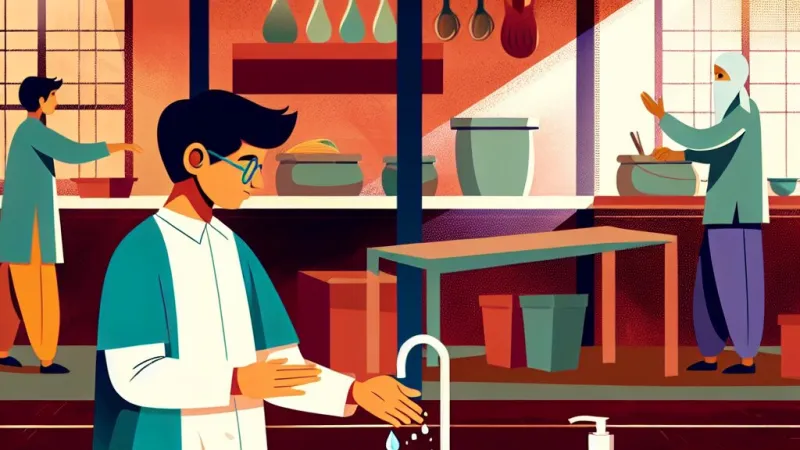
6. Clean hands and good hygiene keep us safe from many diseases. Washing hands with soap for 20 seconds before eating and after using the toilet prevents illnesses like diarrhoea and cough. Bathe every day and brush teeth twice, just like many Indian schools teach during Swachhata Pakhwada.
7. Avoiding tobacco, too much sugar, and alcohol saves us from harm. Saying no to gutkha, cigarettes, sugary cold drinks, or too many fried snacks keeps your heart and teeth strong. Choose roasted chana or peanuts for snacks.
8. Deep breathing, hobbies, and talking kindly reduce stress. Doing five minutes of deep breathing (for example, Anulom Vilom), listening to music, or drawing calms the mind. Schools may set aside relaxation sessions or let students share stories.
9. Regular health check-ups and vaccinations protect against illness. Yearly eye check-ups at school or visiting a health camp helps spot problems early. Getting vaccines for polio, measles, or flu saves children from serious diseases.
10. Small daily habits—like washing hands and walking to school—build lifelong health. Taking stairs if possible, drinking boiled or filtered water, and eating one fruit a day are simple, everyday steps that add up to good health.
---
Variations for Different Classes
For Classes 1–2: Easiest Version
1. Health means feeling happy and strong. 2. If I am healthy, I can run and study. 3. I eat rice, dal, and green sabzi. 4. I drink clean water every day. 5. I wash my hands before eating. 6. I sleep early at night. 7. I brush my teeth in the morning and night. 8. I play outside with friends. 9. I go to the doctor if I feel sick. 10. I try to stay clean and healthy!For Classes 3–4: Simple Expansion
1. Good health helps us learn new things easily. 2. We should eat food full of vegetables, dal, and fruits. 3. Exercise like cycling or playing games makes us strong. 4. Sleeping for enough hours keeps our brain sharp. 5. Cleanliness protects us from germs and illness. 6. Too many sweets or cold drinks are not good for us. 7. Reading, painting, or singing keeps our mind happy. 8. Visiting the doctor helps us stay safe. 9. Using toilets and washing hands keeps everyone healthy. 10. Healthy habits make life better.For Classes 5–6: Full Ten-Line Set with Facts
(Use the main ten lines above, add examples such as: “The Mid Day Meal in schools gives children balanced nutrition.” Or “During Swachh Bharat drives, students learn about clean habits.”)---
Language Tips & Exam Techniques
- Make each line clear, with one idea only. - Start with strong, simple verbs or subjects, e.g., “Exercise builds…” - For written work, state the ten lines as the answer. If asked to ‘expand,’ use the explanations to write short paragraphs. - When reciting, pause after each line. Breathe slowly and speak with confidence.---
How to Memorise and Practise
- Group lines under themes: food (diet, water), activity (exercise, play), prevention (cleanliness, check-ups). - Draw posters like the ‘Thali model’ or a hygiene chart for your class wall. - In pairs, take turns quizzing — one asks, one explains a line. - Link a line to your home routine: for example, say “I brushed my teeth today” as you do it.---
Avoiding Common Mistakes
- Don’t put two ideas in one line; keep it simple. - Avoid words like “cardiovascular” or “immunity” unless explaining them. - Don’t write fake or exaggerated health claims. Stick to what teachers, doctors or government health posters say. - Encourage, don’t lecture. Use kind, practical words!---
How to Expand Ten Lines into Paragraphs
If the exam asks for a “paragraph on health”, use your ten lines as a guide. For example, make a nutrition paragraph by combining lines about diet and water; a second on exercise and sleep; and a final one on prevention and habits. Start with “First,” “Next,” “Moreover,” and end with a quick summary: “By following these steps, I can stay healthy and happy.”---
Oral Presentation: Extra Tips
- Practise in front of friends or parents—watch your speed and volume. - Bring a fruit, water bottle, or hygiene chart as a prop if allowed. - Pause a second after each line; don’t rush. - If judges ask a question, answer with a smile and one clear sentence.---
Conclusion: Health is in Our Hands
Every child can build good health by making small, smart choices every day. Good health benefits the whole family and community, not just the individual. Remember: strong bodies and peaceful minds make happy lives.Let’s be health champions by starting with one good habit today!
---
Additional Resources: What to Read and Watch
- Visit the [National Health Portal of India](https://www.nhp.gov.in/) for child-friendly health info. - Join school campaigns like Swachh Bharat or annual health check-ups. - Ask your librarian for books on yoga (e.g., “Yoga for Children” with simple postures). - Put up the school nutrition chart near canteens.---
Checklist for Teachers and Parents
- Are the lines in simple language for the child’s level? - Is each line about one idea? - Did you help your child practise at home and in class? - Does the child know a fact or example for each line? - Is the ending sentence positive and strong?---
Sample Ready-to-Use Ten Lines: For Memorisation
1. Health means feeling strong, happy and calm every day. 2. We study better and feel active when we are healthy. 3. Eating roti, dal, vegetables, fruit and curd keeps us fit. 4. Playing and daily exercise build our muscles and bones. 5. Sleeping early and enough hours gives rest to our brains. 6. Washing hands and brushing teeth keeps germs away. 7. It is wise to say no to tobacco and too many sweets. 8. Deep breathing, music or painting helps us relax. 9. Regular check-ups and vaccines keep us safe from illness. 10. Good habits every day make us healthy adults in future.*With these ten lines, every student can confidently write, recite, and practice healthy living in school and beyond.*
Rate:
Log in to rate the work.
Log in