Top 10 Facts About Madame Tussauds Wax Museum for Students
This work has been verified by our teacher: 6.04.2026 at 12:50
Type of homework: Essay Writing
Added: 3.04.2026 at 9:55
Summary:
Discover the top 10 facts about Madame Tussauds Wax Museum and learn its history, artistry, and unique connection to India for your essay or homework.
10 Lines on Madame Tussauds — A Glimpse into the World of Wax Sculptures
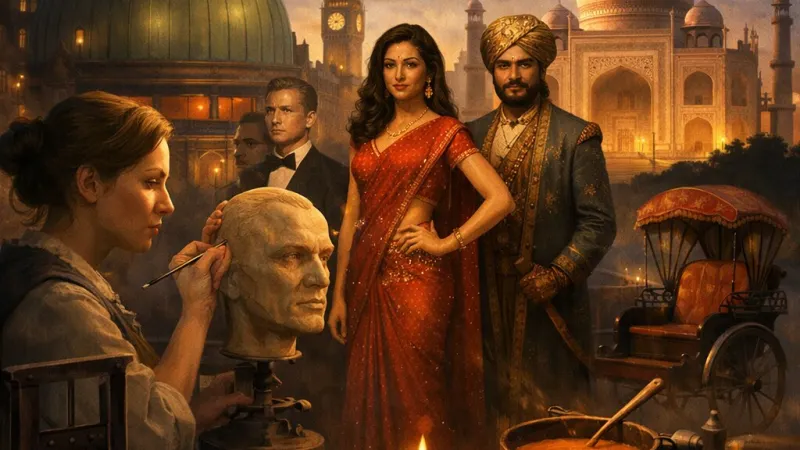
Entering Madame Tussauds is rather like stepping into a dream where reality and artistry meet. Each wax figure, frozen in a moment yet vibrant with the energy of its subject, makes us wonder about the tireless hands and sharp eyes that turned blocks of wax into personalities we have seen only on screens or history books. Madame Tussauds is not just a museum; it is a wonderful intersection of history, popular culture, and skillful craftsmanship. In ten well-thought-out points, let us unfold the tale of this iconic institution and its special connection to India.---
1. The Visionary Founder: Marie Tussaud
The story of Madame Tussauds begins with Marie Grosholtz, who would later be known as Madame Tussaud. Born in Strasbourg, France in 1761, young Marie was exposed to wax modelling through her mother’s work for Dr. Philippe Curtius, a skilled wax sculptor. The art she learnt was not merely craft; it became her way to navigate tumultuous times in France, especially during the French Revolution. Amidst the chaos, she was even tasked with making death masks of executed revolutionaries—a macabre but significant contribution that anchored her legacy. The journey of Madame Tussaud is proof of how passion and resilience can transform adversity into lasting heritage.---
2. The First Madame Tussauds Museum in London
After surviving revolution and war, Marie Tussaud carried her expertise and wax creations to London, where she set up her first permanent exhibit on Baker Street in 1835. This new museum was unlike any other at the time. Instead of simply showcasing art or artefacts, it brought to life the faces of people who mattered—royals, revolutionaries, writers, and national figures. The innovative approach attracted many, eager to catch a glimpse of the powerful, the notorious, or even fictional characters rendered in uncanny lifelike detail. For Londoners, Madame Tussauds quickly became a must-visit attraction and sparked a trend of wax museums worldwide.---
3. The Infamous Chamber of Horrors
One of the key highlights that made the original museum such a sensation was the Chamber of Horrors. This special gallery featured wax models of notorious criminals, victims, and figures central to grim chapters of history, particularly those from the days of the French Revolution. While some visitors found it chilling, others considered it an extraordinary way to confront history’s dark side. This gallery proved that museums need not be dull and dusty; they can excite curiosity, debate, and even a bit of respectful fear. It also showed how learning about the past can be immersive and impactful—much like how we feel when visiting Jallianwala Bagh or the Cellular Jail in Andaman.---
4. Preservation of Wax Sculptures—An Art and a Science
A less obvious but important aspect of Madame Tussauds’ legacy is the meticulous preservation of its wax sculptures. Many of the original works created by Marie Tussaud herself—some nearly two centuries old—are still carefully maintained. Wax, unlike stone or bronze, is fragile and requires skilled conservation to remain intact. Each sculpture demands periodic cleaning, restoration, and even climate control, much like how our own National Museum in Delhi preserves rare manuscripts and textiles. The science behind keeping art alive is fascinating, and it’s a reminder that heritage requires both devotion and innovation.---
5. Madame Tussauds Goes Global: The First Overseas Museum
What began in London soon captured imaginations beyond Britain. The first international branch was launched in Amsterdam in 1970, marking the beginning of a global journey. Today, Madame Tussauds museums exist across major cities like Hong Kong, Bangkok, Singapore, and even Sydney. This global spread is not unlike the way Indian cultural exports—think yoga, Bollywood, or Ayurveda—have found ardent followers worldwide. Each new branch tailored its selection of figures to highlight local heroes alongside international stars, allowing visitors everywhere to feel represented.---
6. Modern Leadership and Advance in Technology
While originally run by the founder’s descendants, Madame Tussauds is now a part of Merlin Entertainments, a global leisure company. Since its acquisition, there has been consistent investment in technology and innovation. Interactive displays, augmented reality, and updated audio guides have made the experiences more immersive for today’s tech-savvy visitors. This evolution is similar to how Indian museums—like the Indian Museum in Kolkata—are integrating multimedia and digital storytelling to stay relevant for new generations.---
7. A Magnet for Tourists and Learners
Today, Madame Tussauds draws millions of tourists from all parts of the world each year. Its universal appeal lies in the thrill of seeing one’s favourite cricketer, film star, or even a historical leader immortalised in wax, all under one roof. For students, it offers an engaging way to connect with personalities and episodes from the past and present. Much like visiting the Science City in Kolkata or the Nehru Planetarium in Mumbai, it combines entertainment with learning—proving that education can be fun and memorable.---
8. Madame Tussauds Comes to India: A Cultural Milestone
In 2017, India made its mark on the Madame Tussauds map with the opening of a museum in New Delhi, inside the prestigious Regal Building at Connaught Place. The arrival of this global attraction was met with great enthusiasm, as Indian culture and achievements were given centre stage alongside world icons. Indian legends from the fields of cinema, sports, politics, and music found their wax doubles here, making the museum a celebration of our own heroes. For many, seeing Amitabh Bachchan or Virat Kohli represented at an international venue is a moment of immense pride—showcasing India’s soft power to the world.---
9. Celebrating Indian Icons in Wax
Some of the most popular Indian names featured at Madame Tussauds Delhi include cricket legend Sachin Tendulkar, Bollywood superstar Shah Rukh Khan, the evergreen Deepika Padukone, national icon Mahatma Gandhi, and king of comebacks, Kapil Dev. The presence of these figures lets children and adults alike stand ‘face to face’ with idols, making history and stardom feel attainable. It sparks the imagination: If you could choose any Indian to be immortalised here, who would it be? Maybe Rani Laxmi Bai for her courage, or A. R. Rahman for his music? These choices reflect evolving national pride and aspiration.---
10. Where Celebrities Meet Themselves, and Fans Meet Legends
A unique aspect of Madame Tussauds is the tradition of celebrities unveiling their own wax figures—posing side-by-side, a real and ‘almost real’ duo. For visitors, the experience is both bewildering and delightful. You can take a selfie with a figure so strikingly accurate that, for a moment, it blurs the boundary between life and art. The interactive nature—touching, posing, learning—makes it particularly memorable for students and families, reinforcing the point that museums are not just for quiet observation, but active engagement.---
Conclusion
Madame Tussauds is more than just a collection of wax figures; it is a powerful bridge between time periods, cultures, and personal stories. Starting from a young Frenchwoman’s artistic struggle to a beloved international brand, it now stands as a symbol of how art can illuminate both history and contemporary times. For India, having our icons celebrated at this stage is both an honour and a chance to share our stories with global audiences. Visiting Madame Tussauds is not just about seeing celebrities—it is about appreciating the dedication, creativity, and innovation that go into capturing the essence of humanity in wax. Perhaps, the next time we come across a wax figure, we might look beyond the similarity and see the timeless connection between art, legacy, and aspiration.---
Final Thoughts for Students
If you get an opportunity, do visit such unique museums. Whether it’s Madame Tussauds, the National Rail Museum in Delhi, or local history galleries in your town, they offer a chance to see the world and yourself in new, unexpected ways. These experiences remind us that learning is not limited to textbooks—it lives in every story, every art form, and every face, real or sculpted.Frequently Asked Questions about AI Learning
Answers curated by our academic expert team
What are the top 10 facts about Madame Tussauds Wax Museum for students?
Madame Tussauds is renowned for its lifelike wax figures, rich history, global presence, and educational insights into art and culture.
Who was the founder of Madame Tussauds Wax Museum?
Marie Tussaud, born in Strasbourg in 1761, was the founder who mastered wax modeling and created the first museum in London.
What is the Chamber of Horrors in Madame Tussauds Wax Museum?
The Chamber of Horrors is a gallery featuring wax models of infamous criminals and historical figures, offering an immersive look at darker parts of history.
How are wax sculptures preserved at Madame Tussauds Wax Museum?
Wax sculptures are preserved through careful cleaning, restoration, and controlling climate, ensuring their longevity and historical value.
How did Madame Tussauds Wax Museum expand globally from London?
Madame Tussauds opened its first overseas branch in Amsterdam in 1970, followed by locations in major cities worldwide.
Rate:
Log in to rate the work.
Log in