Exploring Why Laughter is Truly the Best Medicine in India
This work has been verified by our teacher: 17.05.2026 at 9:00
Type of homework: Essay Writing
Added: 15.05.2026 at 7:31
Summary:
Discover why laughter is the best medicine in India and learn how it boosts health, reduces stress, and strengthens immunity for students and families. 😊
Laughter is the Best Medicine: An Essay in the Indian Context
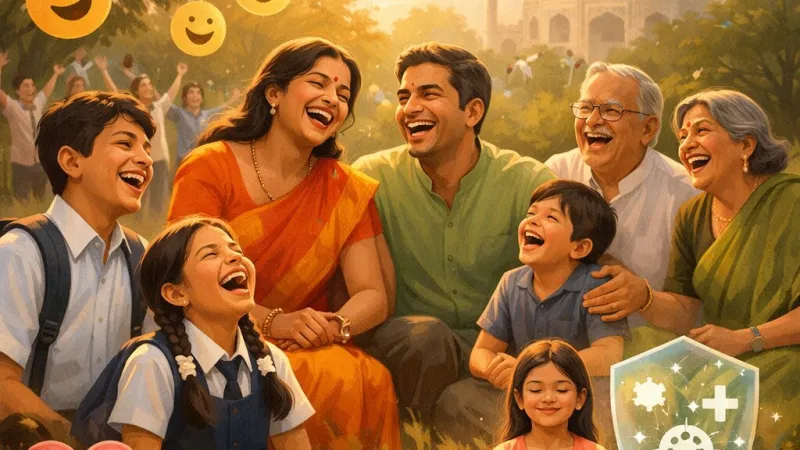
Laughter is a universal language, understood by people of all ages and backgrounds. It is a spontaneous expression that bubbles out from within when one feels happy, amused, or even surprised. From a child giggling while chasing butterflies to elderly friends reminiscing about their youth, laughter resonates across generations and places. In India especially, where societal bonds are deep and emotional exchanges are frequent, laughter has always held a special place. The age-old Hindi saying "Haasna achha hai" (It is good to laugh) captures its essence well. More than just a mood-lifter, laughter truly acts as a natural remedy—accessible and beneficial to all, regardless of status or age. In this essay, I will elaborate on how laughter serves as the best medicine, not only by healing our bodies, minds, and relationships but also by enriching the cultural and communal fabric of our lives.The Biological and Physical Benefits of Laughter
It is easy to link laughter with happiness, but its impact goes much deeper, even to the physiological core of our bodies. The act of laughing triggers several changes in the body. When we laugh heartily, our diaphragm contracts, and our lungs take in more oxygen-rich air. This is why after a long laugh, most people feel refreshed, their breathing having become deeper and steadier. Scientists say that laughter stimulates the brain to release endorphins—often called the "feel-good hormones"—which reduce pain and bring about a sense of euphoria.In Indian households, where home remedies are preferred before medicines, elderly family members often encourage jokes and comedy during gatherings. They seem to know by instinct that laughter can reduce stress hormones like cortisol and adrenaline, helping to keep common ailments at bay. Laughter also aids cardiovascular health by improving the dilation of blood vessels, lowering blood pressure, and thereby reducing risks related to the heart.
On another fascinating note, regular laughter can even make our immune system stronger. Research done at institutions like the All India Institute of Medical Sciences (AIIMS) indicates that laughter increases the production of antibodies, gearing up our body’s own defences to fight off illnesses. It may be surprising to know that ten minutes of hearty laughter burns as many calories as a brief walk, toning the abdominal muscles and even aiding metabolism. Perhaps this is why in cities like Mumbai and Delhi, laughter yoga groups gather in parks at dawn—to start their day on a healthy, cheerful note.
Psychological and Emotional Advantages of Laughter
Emotional well-being is just as essential as physical health. In the fast-paced, competitive environment of Indian society, stress, anxiety, and depression have become increasingly common. The academic pressures on students, the work deadlines for adults, and the emotional challenges faced by the elderly can all weigh heavily on mental health. Here, laughter provides an instant and effective antidote.Just as a glass of nimbu paani cures a tired body on a hot summer day, a good laugh can melt away emotional tension in moments of despair. Laughter helps manage negative emotions such as anger, fear, and sadness, replacing them with a lighter, more optimistic outlook. This is reflected in popular Bollywood films, where humour often arrives just when the tension reaches its peak, breaking the monotony and allowing characters (and audiences) to breathe easy again.
Moreover, laughter is known to boost mood and build resilience. Those who greet life’s problems with a smile often bounce back quicker and handle adverse situations better. Students preparing for the IIT-JEE or board exams sometimes use comic books or light-hearted YouTube videos to rejuvenate their spirits—and it works! Laughter even functions as a natural painkiller, as hospitals in India have discovered through laughter therapy sessions for terminally ill patients.
Social and Interpersonal Benefits of Laughter
Laughter does more than just heal the individual—it brings people together. In Indian culture, social gatherings are rarely complete without shared jokes or funny stories. From the evening "adda" sessions in West Bengal to the laughter-filled weddings in Punjab, humour is woven into the tapestry of all celebrations.Shared laughter acts like a glue, cementing friendships and community bonds. It creates an atmosphere of trust and positivity, making it easier to resolve conflicts. For instance, teachers in Indian classrooms often use humour to diffuse tension or make lessons more relatable—students are more likely to remember a joke linked with a historical event than a dry date or statistic.
Communication also becomes more effective with laughter. People who laugh easily are often viewed as more approachable and empathetic, making it simpler to build or repair relationships. Events like laughter clubs, pioneered by Dr Madan Kataria in Mumbai, have spread across India, helping people from all walks of life come together not just for physical exercise but for laughter therapy, thereby overcoming loneliness and isolation.
Laughter Through the Ages: From Childhood to Old Age
If you observe a group of small children playing, their constant peals of laughter fill the air. In fact, studies show that children laugh much more frequently than adults. Laughter is crucial in early years, helping children learn, develop social skills, and navigate new experiences. Indian stories, cartoons, and folk tales—from Akbar-Birbal anecdotes to Tenali Raman tales—have entertained and taught generations of youngsters, often with a healthy dose of wit.However, as responsibilities increase with age, laughter may diminish. Adults get caught in the routine of jobs, family, and societal expectations. Yet, those who carve out time for humour, whether by watching a Kapil Sharma show or exchanging jokes with colleagues, find their stress levels decreasing and productivity increasing.
For the elderly, laughter is especially potent. As friends and family become less accessible, depression and loneliness can creep in. Laughter clubs in cities like Pune and Bengaluru provide not just exercise but also a space to forge new connections. Many studies show that laughter can not only lengthen life but also enhance its quality.
Cultivating Laughter in Everyday Life
While laughter might come naturally to some, it can also be cultivated through simple, daily habits. Reading witty books, watching comedic films, or listening to humorous radio shows in Hindi, Tamil, or any mother tongue brings mirth into the home. Sharing jokes after dinner, mimicking film dialogues, or even just goofing around during household chores can foster a lighter atmosphere.Yet, it is essential to differentiate between healthy humour and mockery. Indian proverbs like "Hasi mazaak mein farak samajhna chahiye" remind us to laugh with, not at, others. True laughter builds, not breaks, relationships. It is important to ensure our humour is not hurtful or sarcastic.
Workplaces and schools can also benefit from a laughter-friendly environment. Morning assemblies featuring a funny skit or teachers sharing humorous anecdotes can lift students’ spirits. Family gatherings, no matter how small, should make space for fun and laughter—it is the salt that brings flavour to our daily bread.
Science, Culture, and the Celebration of Laughter
Gelotology, the scientific study of laughter, has gained recognition even in India. Doctors now recommend laughter therapy to manage chronic pain, mental health conditions, and even heart health. Public campaigns, health drives, and newspapers highlight laughter’s benefits, encouraging citizens to incorporate it into their lives.World Laughter Day, celebrated every May on the first Sunday, sees Indians from Chennai to Chandigarh joining hands in gardens and halls to laugh together. Such events make joy a collective experience, cutting across barriers of language, gender, and class.
Rate:
Log in to rate the work.
Log in