Top 10 Lines Highlighting the Importance of a Healthy Lifestyle
This work has been verified by our teacher: 21.02.2026 at 16:26
Type of homework: Essay Writing
Added: 19.02.2026 at 7:51
Summary:
Discover the top 10 lines highlighting the importance of a healthy lifestyle for students in India and learn key habits to boost body and mind health.
10 Lines on Healthy Lifestyle
Introduction
A healthy lifestyle is like a powerful key that opens doors to a life full of energy, happiness, and long-term well-being. It is not simply about the absence of illness but about consciously adopting habits that nourish both the body and mind. In the Indian context, where traditional wisdom often meets modern life, a balanced lifestyle becomes all the more important. Today’s world, with its fast pace, gadgets, and changing food habits, has brought several health challenges. Statistics from the Indian Council of Medical Research show a rise in lifestyle diseases such as diabetes and hypertension even among the youth. Thus, building the foundation of a healthy lifestyle from a young age is essential if we want to lead a life that is not only long but also meaningful and joyous.Understanding the Components of a Healthy Lifestyle
Physical Health
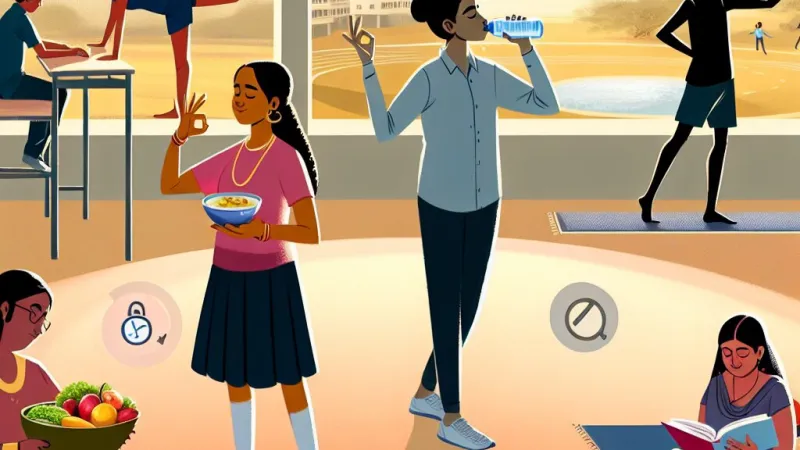
The first pillar of a healthy lifestyle is taking care of our bodies. Regular exercise is as crucial as attending school or brushing our teeth daily. Indian culture gives us a wide range of physical activities, from the ancient practice of yoga and surya namaskar to playing kho-kho, kabaddi, or even simply going for early morning walks with grandparents. Experts recommend at least 30 minutes of moderate physical activity every day for students. A balanced diet is the next important factor. Our thalis should be full of colours—green leafy vegetables like spinach, bright orange carrots, juicy tomatoes, and seasonal fruits such as mangoes or guavas. Roti, rice, pulses, and a little bit of ghee can form a wholesome meal. It is best to minimise eating fried snacks like samosas and packaged chips, which only add ‘empty’ calories.Just as athletes need rest after training, our bodies need quality sleep. Getting 7–8 hours of good sleep helps us wake up refreshed, improves memory, and prevents us from falling sick easily.
Mental and Emotional Well-being
The mind and body are like two wheels of a bicycle. Without caring for the mind, the journey towards good health is incomplete. In today’s world, where students face exam stress and have to keep up with digital distractions, practices like meditation and pranayama play a significant role. Spending a few quiet minutes each day, whether chanting shlokas or simply focusing on breathing, can reduce anxiety and improve concentration. A positive attitude—seeing challenges as opportunities to learn—also makes us emotionally strong, just like the character Swami in R.K. Narayan’s “Swami and Friends”, who faces school pressures with courage and curiosity.Spending too much time on mobiles or watching TV can harm our eyes and make us feel lazy. Limiting screen time and choosing to play outdoors or engage in creative hobbies such as drawing, music, or gardening, help keep the mind sharp and relaxed.
Healthy Habits to Adopt and Unhealthy Behaviours to Avoid
Habits to Develop
Adopting small daily actions leads to big benefits over time. Picking up a skipping rope for ten minutes, choosing to cycle to a nearby shop, or climbing stairs instead of using the lift are simple yet effective ways to stay active. Drinking enough water—at least six to eight glasses a day—keeps our body hydrated, especially in the hot Indian summer. Home-cooked meals, like poha, idli, or dal-chawal, are always better than pizzas or burgers from outside. Taking study breaks to stretch the body, standing up in between classes, or helping with chores at home are good for both health and happiness.Habits to Avoid
Certain habits can undo our good efforts. Sitting for hours together, glued to screens, develops a sedentary lifestyle, which doctors call the “new smoking”. Eating out of boredom, skipping breakfast, or overeating during festivals may harm health in the long run. Trying cigarettes, alcohol, or any harmful substances—even if offered by friends—must be strictly avoided as these are not only illegal for children but also very dangerous. Over-dependence on fast food or candies can lead to obesity and tooth decay.The Role of Lifestyle in Preventing Diseases
Many illnesses that adults face can actually be prevented by simple changes made early in life. Diseases like type 2 diabetes, heart problems, and high blood pressure are closely linked to poor eating habits and lack of exercise. For example, the rise in childhood obesity in cities like Mumbai and Delhi is mostly because of junk food and limited physical play. Regular health check-ups, even just once a year, help in catching problems early. By keeping a healthy weight, being mindful about what we eat, and finding fun ways to exercise, we reduce our risk of falling sick in the future.Mental health is equally important—students who learn to relax, talk about their feelings with parents or friends, and seek help if feeling sad or anxious, are better equipped to face challenges. In fact, research by All India Institute of Medical Sciences (AIIMS) shows that students with a balanced lifestyle do better in studies and social activities.
Practical Tips for Indian Students and Families
How do we put these big ideas into practice? Here are simple steps anyone can try:- Make a timetable that includes at least 30 minutes for an outdoor game or dance daily. - Replace aerated drinks like cola with nimbu-paani or coconut water. - Ask family members to prepare one salad or fruit bowl with every meal. - After study hours, keep gadgets aside and spend time drawing, reading comics like Amar Chitra Katha, or helping in the kitchen. - Fix a bedtime—not too late at night—and avoid TV or mobile just before sleeping.
Mothers and grandmothers can teach traditional recipes that combine taste and health. Exploring Ayurveda concepts, like drinking warm water in the mornings or using spices such as haldi (turmeric), can improve immunity. Instead of buying street food, families can recreate healthier versions at home. Family activities like planting saplings or going for Sunday morning walks in parks not only promote health but also create memories.
Challenges in Maintaining a Healthy Lifestyle and How to Overcome Them
In real life, it’s not always easy to follow healthy habits. School students often have packed routines with homework, tuition, and extracurricular classes. Sometimes, seeing friends eat chips every day or play mobile games for hours can add peer pressure. Moreover, advertisements on TV often make junk food attractive.To overcome these, it is vital to manage time wisely. Instead of long hours of study or work, take short breaks to stretch or walk. Parents and siblings can encourage each other by making a “health chart” and tracking daily steps or water intake. Schools can organise workshops and sports events, spreading awareness about healthy living. Setting small goals—like “no sugar in tea for a week” or “walking 1000 steps daily”—makes the journey easier and more fun.
Conclusion
In summary, a healthy lifestyle is not just a set of rules but a way of living that rewards us every day—with more energy, a happier mood, and better performance in studies and sports. By balancing physical activities, nutritious food, good sleep, and a calm mind, we protect ourselves not only from diseases but also lay the groundwork for a joyous and fulfilling life.To all students: Start with one positive change today, whether it is eating a fruit or walking an extra round in the playground. Small steps, done consistently, lead to great results. Remember—the greatest wealth is health. Cherish it, nurture it, and grow with it.
---
10 Key Points on Healthy Lifestyle (for Quick Reference)
1. Balanced Diet: Eat fresh fruits, vegetables, grains, and avoid junk food. 2. Regular Exercise: Engage in physical activities like yoga, cycling, or sports daily. 3. Adequate Sleep: Aim for 7-8 hours of good quality rest each night. 4. Good Hydration: Drink enough water throughout the day. 5. Limit Screen Time: Spend less time on gadgets and more on outdoor hobbies. 6. Mental Wellness: Practice meditation, stay positive, and manage stress healthily. 7. Avoid Unhealthy Substances: Say no to smoking, alcohol, and drugs. 8. Mindful Eating: Have regular meals and avoid overeating, especially unhealthy snacks. 9. Family Activities: Involve the whole family in healthy habits and traditions. 10. Regular Health Check-ups: Visit the doctor for regular monitoring and guidance.By following these simple yet powerful lines, every Indian student and family can take charge of their health and happiness!
Rate:
Log in to rate the work.
Log in