Top 10 Facts About Ladakh: Exploring Its Geography and Culture
This work has been verified by our teacher: 4.04.2026 at 16:58
Type of homework: Geography Essay
Added: 1.04.2026 at 6:16
Summary:
Discover the top 10 facts about Ladakh’s geography and culture, learning key insights into its landscapes, heritage, and strategic importance.
10 Lines on Ladakh – A Comprehensive Exploration
Nestled like a crown atop the vast expanse of India, Ladakh is often described as the “Land of High Passes.” This unique region, with its surreal landscape and vibrant culture, has found a place in the hearts and imaginations of not just trekkers and travellers, but also scholars, writers, and artists across the country. Whether it is the serene blue of Pangong Lake, the silent profundity of ancient monasteries, or the relentless spirit of its people braving bone-chilling winters, Ladakh has become a symbol of beauty, endurance, and cultural richness. In recent years, its political importance has grown, and it has become a subject of national discussion not only for its tourism but also for its strategic significance. Through these ten lines, let us journey into Ladakh’s landscape, heritage, history, and future, appreciating why it stands out so distinctly in the Indian consciousness.
---
1. Geographical Location: India’s Northern Frontier
Ladakh occupies the northernmost reaches of India, flanked by the towering Karakoram range to the north and the Zanskar range to the south. Once a part of the larger state of Jammu and Kashmir, Ladakh now stands as a Union Territory, created through the crucial political developments of 2019. Its borders meet the challenging terrains of both Pakistan (across Gilgit-Baltistan) and China (Aksai Chin), making Ladakh one of the country’s most strategically significant regions. Across the centuries, legendary mountain passes like Khardung La and Chang La have served as portals not just for caravans and traders, but ideas and cultures as well, connecting Ladakh to both Central Asia and the Indian subcontinent.---
2. Stark and Stunning Landscapes
Ladakh is often compared to a painted canvas—vast stretches of barren but colourful deserts, extraordinary cliffs, and clear blue rivers and lakes mirroring the endless sky. At an average elevation of 3,000 metres above sea level, the region is marked by sharp mountains contrasting with peaceful valleys. The mighty Indus River meanders through Ladakh, lending its name to the famous ancient civilisation as well. Lakes like Pangong Tso and Tso Moriri, with their shifting hues, have become icons of natural beauty, featured in countless Indian films and travelogues. And between the valleys and mountains, lies the Nubra Valley, where sand dunes meet snow-capped peaks, and rare Bactrian camels roam.---
3. Unique Climate and Environmental Challenges
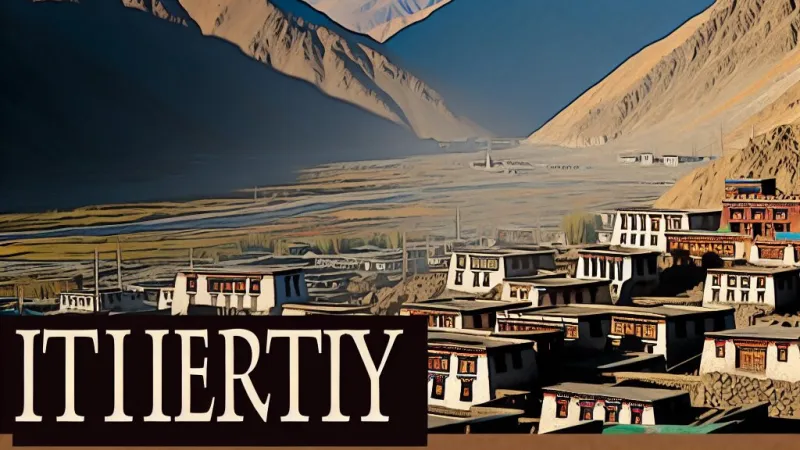
Often defined as a cold desert, Ladakh experiences long, severe winters with temperatures plunging to minus thirty degrees Celsius. Summers are brief, mild, and dry, with rainfall so rare that every drop is valued like gold. This climate shapes every aspect of Ladakhi life — from the thick woollen gonchas (traditional robes) worn by its people, to the architecture of houses with small windows and flat roofs designed to retain heat. Despite these harsh conditions, Ladakh thrives as an oasis, irrigated by the Indus and its tributaries, and springing to life in the short growing season. However, the fragility of this ecosystem is threatened by climate change, which has already affected glaciers and brought new challenges to water and agriculture.---
4. Diverse Communities and Cultural Tapestry
Ladakh’s population is a tapestry of different communities, each contributing to a distinct cultural landscape. Buddhism is the dominant faith in the Leh region, evident in the numerous gompas (monasteries) such as Hemis, Thiksey, and Alchi. Monks in maroon robes, fluttering prayer flags and the rhythmic chants of mantras form an integral part of daily life. In contrast, Kargil and adjoining areas have a predominantly Muslim populace, who celebrate their own religious festivals and traditions. Languages such as Ladakhi (related to Tibetan), Balti, and Urdu are spoken, binding the region with Central Asia and the rest of India. Dahl Rinpoche, an eminent Buddhist scholar, once described Ladakh as a “living bridge between civilisations,” reflecting its role as a place where traditions intermingle gracefully.---
5. Heritage and Festivals
Traditional Ladakhi life revolves around community and celebration. Festivals like Losar (New Year), Hemis Festival, and Dosmoche attract both locals and visitors. These are times when monasteries come alive with performances of the cham dance, elaborate masks and costumes echoing stories passed down generations. Archery competitions, once a measure of martial prowess, now bring whole villages together in friendly rivalry and festivity. Writers like Tsering Norphel have captured the spirit of these occasions, highlighting Ladakh’s undying zest for life in the face of adversity.---
6. A Historical Crossroads
Ladakh’s history is as ancient and layered as its landscape. Centuries ago, it sat at the meeting point of famed Silk Route branches, acting as a thoroughfare for goods, ideas, travellers and even pilgrim monks journeying between India, Tibet, and Central Asia. The region was once ruled by Buddhist kings whose legacy can be traced in ruined forts and palace complexes such as the Leh Palace. Its strategic location has drawn the attention of empires, and more recently, nation states—as seen during conflicts like the Kargil War of 1999. Today, Indian soldiers brave the highest battlefield at Siachen Glacier and guard the nation’s frontiers, adding another layer to Ladakh’s profound history.---
7. Economic Life: Tradition Meets Modernity
Life in Ladakh has always been shaped by limited resources and ingenious adaptation. Barley and wheat form the base of local agriculture, sustained by glacial meltwater. Livestock like yak, sheep and, notably, the double-humped Bactrian camel, are central to the economy and culture. After 1974, when Ladakh was officially opened to tourism, there was a sudden transformation. Tourism now provides vital income to thousands of Ladakhi families through homestays, travel agencies, and adventure activities like river rafting and trekking. Yet, the traditional crafts such as pashmina wool weaving and apricot farming remain vital, ensuring a balance between innovation and heritage.---
8. Adventure, Sport, and Recreation
Ladakh’s natural topography has inspired a unique sporting culture. Polo, brought centuries ago by Central Asian traders, is not just a sport but a grand village event—a legacy immortalised in the stories of Gonbo Zomsa. Archery remains popular, especially during the festival season, and ice hockey—played on naturally frozen lakes—has given Ladakhi youth a new reason to revel in winter’s chill. In recent years, youngsters are making a mark in national-level cricket and football, overcoming altitude and resource constraints with remarkable determination. Ladakh’s Annual Marathon, now a globally recognised event, has brought together athletes and adventure enthusiasts from different parts of the world.---
9. Tourism: Gateway to Himalayan Splendour
Tourism is the driving engine of Ladakh’s contemporary economy. Leh functions as the main hub, with winding bazaars, hospitable guesthouses, and bustling cafes. Travellers often chart routes through Pangong Lake, the surreal Magnetic Hill, or the otherworldly sand dunes of Hunder. The Chadar Trek, which involves traversing a frozen river, has achieved legendary status among trek lovers. Festivals like the Ladakh Festival offer a chance to immerse in local traditions, crafts, and culinary delights. Yet, with the influx of visitors comes the responsibility to balance growth with sustainability—a theme resonating powerfully in discussions among local leaders and environmentalists.---
10. Ladakh’s Future: Balancing Progress and Preservation
As Ladakh strides into the future, it faces both promise and challenges. The conferring of Union Territory status has brought fresh hope for development, with better roads, connectivity, and government attention. Solar energy projects and internet centres are changing the face of even remote villages. At the same time, Ladakhi society is deeply conscious of the need to safeguard its unique environment and culture. Eminent personalities like Sonam Wangchuk advocate for responsible, community-driven development—urging a model where progress does not trample over age-old traditions or natural harmony. In the words of His Holiness the Dalai Lama, who often visits the region, “Ladakh can serve as a beacon of environmental awareness and peaceful coexistence.”---
Conclusion
Thus, Ladakh is much more than its image in travel brochures or movies—it is a land of resilience, harmony, and depth, where nature and society exist in challenging yet poetic balance. From its high passes to its pages of history, from the warmth of its community festivals to the solitude of its monasteries, Ladakh stands as a testament to India’s diversity and unity. As citizens or admirers, it falls upon us to treat Ladakh not just as a destination but as an inspiration—a lesson in adapting to change while preserving roots, and a living reminder of the sublime power of both environment and human spirit.---
*Summary 10 Lines for Easy Reference:* 1. Ladakh lies at the northern tip of India, bordered by China and Pakistan. 2. It is famed for its stark high-altitude deserts, lakes, and the mighty Indus River. 3. The climate is a harsh cold desert, with long, frigid winters and dry summers. 4. Ladakh’s people are mainly Buddhists (Leh) and Muslims (Kargil), creating a vibrant cultural mix. 5. Monasteries, festivals, and traditional sports like polo and archery form part of everyday life. 6. Historically, Ladakh was a Silk Route crossroad, enriching its heritage. 7. Agriculture, animal husbandry, and tourism sustain its economy. 8. Polo, ice hockey, and adventure sports are popular recreational activities. 9. Tourist attractions include Pangong Tso, monasteries, and dramatic trekking routes. 10. As a Union Territory, Ladakh faces the challenge of embracing development while preserving its fragile environment and precious culture.
Rate:
Log in to rate the work.
Log in