Ram Navami Festival: Celebrating Lord Rama’s Birth and Virtues
This work has been verified by our teacher: 5.03.2026 at 18:51
Type of homework: Essay Writing
Added: 2.03.2026 at 7:03
Summary:
Explore the significance of Ram Navami festival as you learn about Lord Rama’s birth, virtues, and inspiring tales shaping Indian culture and values. 🌸
Ram Navami: A Celebration of Righteousness and Indian Heritage
India is a land of many colourful festivals, each reflecting the deep religious and cultural roots of its people. Among the most cherished occasions is Ram Navami, which marks the birthday of Lord Rama, an avatar of Lord Vishnu and an embodiment of virtue in Hinduism. Full of spiritual devotion, community togetherness, and inspiring stories, Ram Navami is not just a festival, but a reminder of ideals and values that continue to shape Indian society through generations.---
The Birth and Significance of Lord Rama
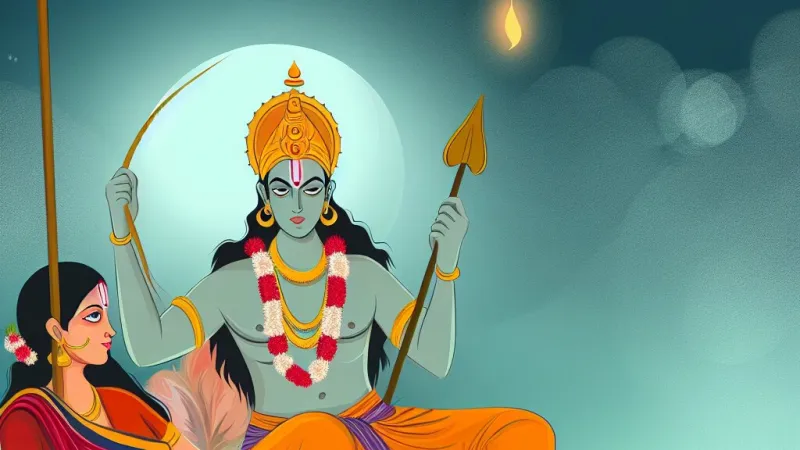
To understand why Ram Navami is celebrated with such fervour, it is essential to know who Lord Rama is. In ancient history and mythology, as described in the epic Ramayana written by Maharishi Valmiki and in the devotional Ramcharitmanas composed by Goswami Tulsidas, Lord Rama was the eldest son of King Dasharatha and Queen Kausalya of Ayodhya. His birth took place under divine circumstances, after years of prayers by the king and queens for children. He is believed to be the seventh avatar (incarnation) of Lord Vishnu, who descended to earth to uphold dharma (righteousness) and restore justice.Lord Rama is known as "Maryada Purushottam"—the perfect man, the ideal son, brother, husband, and king. He set an example for generations through his life’s actions: obeying his father’s difficult command to go on a 14-year vanavas (exile), enduring hardship alongside his wife Sita and brother Lakshman, facing numerous challenges, and ultimately defeating the demon king Ravana to rescue Sita. The stories from the Ramayana—his respect for parents, unshakeable truthfulness, justice, and compassion towards all—are at the heart of why millions revere him.
---
Timing of the Festival: Chaitra Navami
Ram Navami falls on the ninth day (Navami) of the bright fortnight (Shukla Paksha) in the month of Chaitra according to the Hindu lunisolar calendar. This usually corresponds to March or April in the Gregorian calendar. Since the Hindu calendar is based on the movement of the moon, the exact date varies each year. The festival comes at the end of the nine-day Chaitra Navratri, adding additional significance as a culmination of prayers and fasting.Abhijeet Muhurta, considered an especially auspicious period near midday, is when it is believed Lord Rama was born. Many families time their main prayers around this period, seeking blessings and increased spiritual merit on this sacred occasion.
---
Rituals and Celebrations: Connecting Tradition to Everyday Life
Preparation for Ram Navami begins days before, with enthusiasm evident in both homes and temples. Cleanliness is thought to invite positive energy, so houses are scrubbed and decorated. Beautiful rangolis adorn doorsteps, and flowers fill the air with fragrance. Special corners or altars (mandaps) are set up, often displaying idols or pictures of baby Rama swaddled in a cradle, along with images of the Rama Darbar (Lord Rama with Sita, Lakshman, and devoted Hanuman).The day is packed with religious devotion. Early in the morning, families gather to perform puja (prayer), offering fresh flowers, fruits, and sweets to the idols. Devotional songs known as bhajans are sung, and the sacred texts—Ramayana and Ramcharitmanas—are recited. The verses in these texts, especially “Shri Ramcharitmanas” in Awadhi and Hindi, make Rama’s story accessible to all generations. Some devotees choose to keep fasts—some abstain from food until noon, while others might follow a fruit-only or specific diet.
Temples, especially in Ayodhya (the legendary birthplace of Rama) become centres of grand processions, kirtans (musical narrations), and elaborate worship. Even in smaller towns and villages, community halls and schools host storytelling sessions or performances of Ramlila—dramatic enactments from the Ramayana, where local children and adults take up important roles. The excitement peaks when the idol of baby Rama is placed in a decorated cradle, gently swung by devotees, symbolising his birth.
Once rituals are complete, families share prasad (blessed food) and festive meals rich with traditional sweets like panakam, kosambari, and kheer. Such simple yet joyful feasts remind us to value sharing and gratitude.
---
Cultural and Social Dimensions: The Way Ram Navami Shapes Indian Society
Beyond the religious dimension, Ram Navami plays a crucial role in nurturing community bonds. It is an occasion when people—regardless of wealth or status—come together to celebrate, participate in processions, and decorate public spaces. In many neighbourhoods, especially in north India and regions like Karnataka, Maharashtra, Andhra Pradesh, and Tamil Nadu, local committees arrange cultural programmes, recitals of Ramayana, and open-air music concerts, making everyone feel included.The festival’s educational value cannot be overstated. For young students, Ram Navami is often their introduction to the timeless tales of Ramayana and the lessons it holds. Many schools incorporate skits or drawing competitions on this day, instilling in children the values of honesty, loyalty, and the courage to stand up for what is right. The festival serves as a living classroom, encouraging every new generation to learn about India’s rich heritage directly from the stories and songs passed down for centuries.
Moreover, the Ramayana and Ramcharitmanas have inspired India’s literature, poetry, painting, and performing arts. The tradition of Ramlila performances, which depict episodes from the epic, originates from these celebrations and is now recognised by UNESCO as part of the country’s intangible cultural heritage. Great poets like Tulsidas and Kamban (author of Tamil Ramavataram) ensured that Lord Rama’s story reached multiple linguistic and regional communities, weaving a common thread of inspiration throughout Indian society.
---
Ram Navami in Modern India: Blending Tradition and Change
While the essence of Ram Navami remains rooted in tradition, the celebrations have kept pace with changing times. In urban cities, alongside temple visits and family gatherings, many people now join virtual bhajan sessions or watch live streams from Ayodhya. Due to growing digital connectivity, it is not uncommon to see children learning shlokas (verses) online or families attending seminars where scholars explain the relevance of Lord Rama’s teachings in today’s world.State governments often organise fairs and cultural events at prominent temples, ensuring that the festival is celebrated with inclusivity and grandeur. The night before Ram Navami, thousands in cities like Ayodhya gather at the Saryu River to witness spectacular fireworks and community meals. Such public celebrations transcend religious boundaries and have over time contributed to building a more cohesive national identity.
However, as festivals grow in scale, it is important to stay mindful of the real messages Lord Rama’s story imparts. Focusing on compassion, mutual respect, and the spirit of service is more meaningful than mere display or competition. In a diverse country like India, celebrating Ram Navami offers a chance to reinforce religious harmony and mutual understanding.
---
Conclusion: The Enduring Spirit of Ram Navami
Ram Navami stands as a joyful reminder of India’s enduring values—truth, righteousness, and love for all. The festival brings families together, connects communities, and lights hearts with hope. By recalling the birth and noble life of Lord Rama, we are encouraged to rise above selfishness and stand up for good, even in the face of challenges.For students and young people, Ram Navami is not simply a story from the past, but a living tradition that links us to our culture, elders, and the wider community. Every prayer uttered, every sweet shared, and every story heard on this day strengthens the Indian spirit of tolerance, devotion, and unity.
In today’s fast-changing world, it is vital that we preserve such festivals thoughtfully—by respecting our heritage, understanding its deeper meanings, and celebrating with empathy and joy. As Lord Rama taught through his actions, true happiness lies in serving others, upholding truth, and living a life guided by high ideals. Let us embrace the lessons of Ram Navami not just for a day, but as values to shine through our lives—every day of the year.
---
Glossary
- Puja: Ritual worship involving offerings, prayers, and devotional activity. - Vanavas: Period of exile in the forest, often seen as a test of character. - Maryada Purushottam: The exemplary or ideal man, a title for Lord Rama. - Ramcharitmanas: Devotional retelling of the Ramayana by Goswami Tulsidas. - Ramlila: Traditional play or dramatic performance based on the Ramayana. - Prasad: Food offered to deities and then shared as a blessing. - Bhajan: Devotional song sung in praise of divinities.---
Ram Navami is more than a festival; it is a celebration of Indian values and collective heritage. By honouring Lord Rama, we honour the deeper spirit of humanity itself. Let us continue to celebrate with respect, love, and joyful hearts.
Rate:
Log in to rate the work.
Log in