10 Key Facts About Bears: An Informative Essay for Students
This work has been verified by our teacher: 28.04.2026 at 16:24
Type of homework: Essay Writing
Added: 27.04.2026 at 6:58
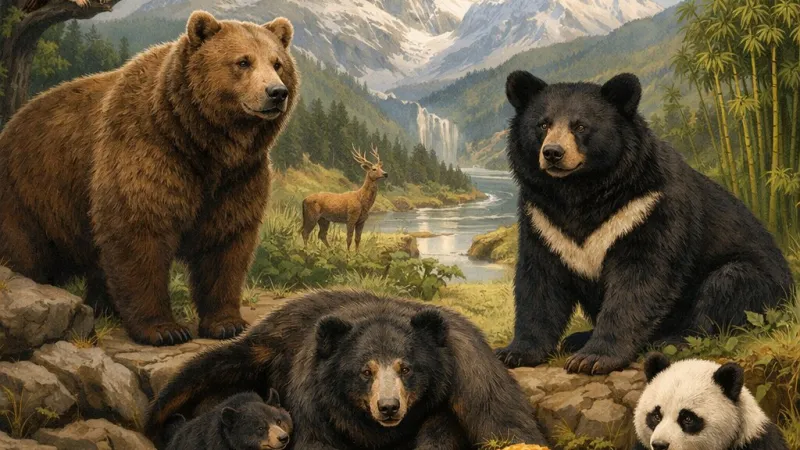
Summary:
Discover 10 key facts about bears including their biology, habitat, and role in nature. Enhance your essay with detailed insights perfect for students in India.
10 Lines on Bear: A Comprehensive Essay
Bears stand among nature’s most captivating and powerful wild animals, holding a special place not only in the world’s diverse ecosystems but also within folklore and traditions across many cultures. From the snow-bound slopes of the Himalayas to the dense Indian jungles, bears are not just imposing figures in the wild, but also vital cogs in the circle of life. Their strength, intelligence, and adaptability have inspired awe and respect across generations. This essay undertakes a wide-ranging examination of bears, weaving together their biological traits, lifestyle, ecological role, cultural footprint, and the increasingly urgent need to protect them from mounting pressures. Bears, as both wilderness icons and ecological guardians, demand our firm attention and effort for their continued survival.
Biological and Physical Characteristics of Bears
Belonging to the family Ursidae under the order Carnivora, bears are large, muscular mammals with an omnivorous diet. The diversity within bears is remarkable—there are eight recognised species worldwide, two of which are native to the Indian subcontinent: the sloth bear and the Asiatic black bear. Each species exhibits distinct physical adaptations to suit their environment. For instance, the polar bear, found in the icy stretches of the Arctic, boasts a thick coat of white fur and a hefty layer of fat for insulation, whereas the Indian sloth bear displays shaggy black fur with a distinctive white chest mark and a specially adapted lower lip for sucking up insects.Bears range in size from the small Malayan sun bear, about the size of a medium dog, to the gigantic Kodiak bear, which can weigh upwards of a thousand kilograms. Their sharp claws serve a multitude of purposes: digging for roots, breaking into termite mounds, climbing trees, or catching fish. Notably, bears possess a keen sense of smell, far superior to that of dogs, allowing them to sniff out food from many kilometres away.
The life cycle of a bear begins with cubs that are born blind and helpless, requiring tender care from their mothers. Most species have a slow growth rate; bear cubs often stay with their mothers for up to two years, learning crucial survival skills. Bears can live for 20–30 years in the wild, though this is often cut short by threats such as habitat loss and poaching.
Habitat and Geographical Distribution
Bears are remarkable for their adaptability to dramatically different environments. They inhabit forests, mountains, river valleys, open tundras, and tropical rainforests. The Himalayan regions of India and Nepal are home to the Himalayan black bear, while the sloth bear prefers the dry, deciduous forests and grasslands of central and southern India.The sun bear, found in the rainforests of Southeast Asia, is adept at climbing trees in search of fruit and honey. By contrast, polar bears roam vast expanses of sea ice, their survival now inextricably linked with the fate of the polar environment.
Unfortunately, as urban areas encroach into forests, and rampant deforestation continues, bear habitats grow ever more fragmented. The Sariska and Melghat Tiger Reserves in India are also significant sanctuaries for the sloth bear, yet even here human encroachment threatens their safety and food supply.
Behavioural Patterns and Lifestyle
Despite their intimidating size, most bears are quiet, solitary creatures. They communicate through grunts, roars, and body language, resorting to aggression only when threatened or during the mating season. The sloth bear, unique among Indian wildlife, is especially known for its noisy vocalisations and for carrying its cubs on its back—a rare sight in the animal world.Bears are primarily omnivores, consuming fruits, roots, insects, fish, and small mammals, with their diet fluctuating according to the season and habitat. The sloth bear survives mainly on termites, ants, and wild fruits, using its flexible lips as a vacuum to suck up insects from deep within their nests.
In colder climates, hibernation is a vital strategy. Bears reduce their heart rate dramatically, subsisting off stored body fat for several months, as famously depicted in the behaviour of the Himalayan black bear during the long mountain winter. This adaptation is less pronounced in tropical bears, who remain active year-round.
Mother bears are fiercely protective of their young, sheltering them from predators and teaching them vital skills. This maternal bond is crucial for the continued survival of bear populations, given their slow reproductive rate.
Bears in Indian Culture and Mythology
In India, the bear’s place in myth and legend is both prominent and poignant. The Ramayana, one of our most revered epics, describes Jambavan, the king of bears, playing a critical role as an ally of Lord Rama in the battle against Ravana. Such stories symbolise the bear as a model of loyalty, courage, and sagacity.Bears also appear in folk stories across tribal communities, representing strength and protection. In some regions, ritual dances and songs feature the bear as a totem animal, invoking blessings for harvest and health. While characters like Baloo from Rudyard Kipling’s “The Jungle Book” have gained global popularity, the source material is deeply rooted in Indian jungles and the unique sloth bear.
Sadly, bears have also suffered at the hands of humans, historically forced into performances as “dancing bears”—a cruel practice now outlawed but once widespread.
Conservation Issues and Threats
Today, bears worldwide are under serious threat. The sloth bear and Himalayan black bear, both native to India, are classified as vulnerable by the International Union for Conservation of Nature (IUCN). The reasons for their decline are manifold—illegal poaching for bear bile and body parts (sometimes believed to have medicinal properties), habitat loss due to logging and farming, and direct conflict with humans. Once forest habitats shrink, bears wander into villages in search of food, sometimes resulting in tragedy for both people and animals.Efforts to safeguard India’s bears include the establishment of bear rescue centres in places like Agra and Banerghatta, vigorous anti-poaching drives, and awareness campaigns. The Wildlife Protection Act, 1972, criminalises hunting bears and trafficking in their parts, yet ongoing vigilance is essential. Community conservation, involving local tribal groups as protectors of forests, has proved especially important, as seen in the joint patrolling of sanctuaries in Madhya Pradesh.
The Ecological Role of Bears
Beyond their cultural importance, bears play a crucial part in maintaining the health of natural habitats. They help disperse seeds from the fruits they eat, ensuring the renewal of forests. By unearthing insect nests or digging for roots, they aerate the soil, boosting plant growth. Where bears hunt fish, such as in Himalayan streams, their discarded catch fertilises the forest floor.Bears’ presence is a marker of ecosystem balance; their disappearance signals environmental distress. Conservationists often call them “umbrella species”—by saving bears and their habitats, we protect a host of other flora and fauna.
Future Prospects and Ways Forward
Securing a future for bears requires a blend of science, local knowledge, and public awareness. Technology—like radio collars and camera traps—enables researchers to monitor bear populations and movement patterns. Ecotourism, when responsibly managed, generates revenue for local communities while preserving habitats.Mitigating human-bear conflict involves practical steps: installing electric fences, proper waste management in villages, and providing alternative livelihoods to those who once relied on forest resources. Education programmes in schools and villages foster respect for bears, turning fear into understanding.
At a larger scale, fighting climate change is crucial—melting Himalayan snow threatens not only bears but entire landscapes.
Conclusion
In sum, bears are among nature’s most intriguing and vital creatures. They offer us lessons in strength, adaptation, and care, while standing as barometers for the health of our forests and mountains. Yet, unless we act urgently to address the threats they face—illegal trade, habitat loss, and climate change—these magnificent animals may vanish from the wild.Let us cherish and protect our bears, not out of fear or folklore, but with knowledge and respect. Only then will future generations inherit a world where the roar of the bear still echoes through the forests of India, reminding us of the wild mysteries that lie beyond our cities, ever urging us to coexist with nature in harmony.
Rate:
Log in to rate the work.
Log in