Creative Republic Day Drawing Ideas to Showcase Patriotism
This work has been verified by our teacher: 21.03.2026 at 17:21
Type of homework: Essay Writing
Added: 19.03.2026 at 9:01
Summary:
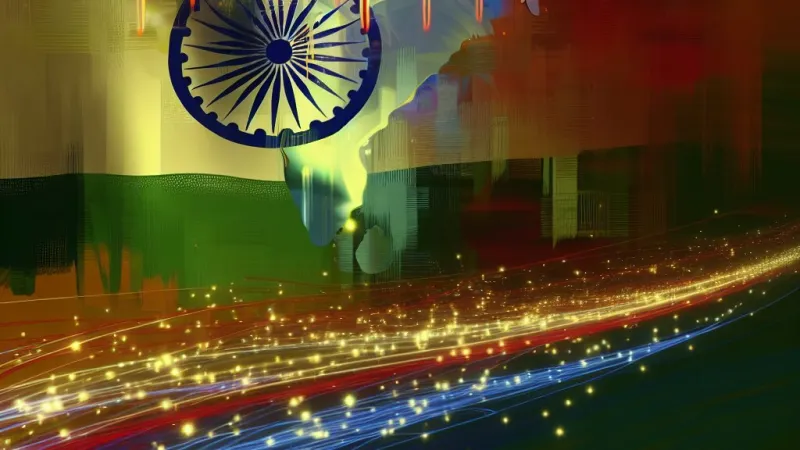
Explore creative Republic Day drawing ideas to showcase patriotism and learn how to express India's symbols and unity through art confidently this 26th January 🇮🇳
Republic Day Drawing: Expressing Patriotism Through Art
Every year, on the vibrant morning of 26th January, the whole of India comes alive with unwavering enthusiasm and patriotic pride. Streets flutter with tricolour flags, schools ring with the sound of “Jana Gana Mana,” and millions of Indians remember the significance of this day—the day India’s Constitution took effect and our country became a sovereign republic. While grand parades at Rajpath and flag hoisting ceremonies mark the official observance, the essence of Republic Day thrives equally in local festivities, especially in the creative spirit of students across the country.
One of the most cherished and unifying activities on Republic Day in schools is the tradition of making special drawings. Whether it is a simple flag carefully coloured with crayons or a complex composition blending national monuments and freedom fighters, Republic Day drawing has become an accessible yet powerful way for children and youngsters to show their respect for the nation. In this essay, I will guide fellow students and beginners on how to create meaningful and attractive Republic Day drawings, helping them participate confidently in celebrations and competitions while deepening their connection with our country’s legacy.
---
Understanding the Themes and Symbols of Republic Day
The starting point for any Republic Day drawing lies in becoming familiar with the themes and symbols attached to this historic occasion. Unlike other national festivals such as Holi or Diwali, Republic Day has its own distinct iconography, rich in meaning and history.Foremost among these is the Indian National Flag, affectionately called the Tiranga. Its three stripes—saffron standing for courage, white for peace and truth, and green for growth and prosperity—form the backbone of most Republic Day art. At its centre is the deep blue Ashoka Chakra, a wheel with 24 equally spaced spokes, symbolising the cycle of time, righteousness, and progress. Drawing the Chakra might seem tedious, but when rendered well, it instantly gives the artwork its Indian soul.
National monuments like the India Gate in Delhi or the Red Fort also frequently appear in Republic Day drawings. These structures represent the resilience and strength of independent India. Additionally, themes of unity in diversity—a phrase found in many school textbooks—can be expressed by illustrating children in different traditional clothes or holding hands. Soldiers guarding the borders, freedom fighters like Bhagat Singh or Sarojini Naidu, and classical elements such as the lotus or peacock further enrich the visual vocabulary available to student artists.
Often, artists add short, powerful slogans to their drawings: “Jai Hind,” “Vande Mataram,” or “Ekta Mein Shakti” (“Strength in Unity”). These can be written using vibrant, bold letters, perhaps outlined in the three colours of the flag, drawing the viewer’s eye and underlining the sentiment behind the image.
Above all, Republic Day drawings must strive to present the message of unity and pride. Whether through visual cues, slogans, or cultural motifs, the aim is to encapsulate the collective spirit of our nation in a single frame.
---
Preparing to Create a Republic Day Drawing
The process of making a Republic Day drawing starts even before the pencil touches the paper. First, it is important to select the drawing tools that are best suited to your comfort and skill level. Young students often prefer crayons or coloured pencils because they offer greater control and allow for reworking mistakes, while experienced artists might use watercolours or sketch pens for bolder effects. In many schools, especially in smaller towns, simple supplies from roadside stationery shops—like wax crayons and chart papers—are the go-to options, giving even the youngest artists a chance to participate.Next, choose an appropriate surface. An A4 paper fits easily into files or display boards, but for exhibition or group work, a larger chart paper might be more suitable. Regardless of the size, make sure your drawing surface is clean, flat, and supported by a hard base such as a table or drawing board. This helps in achieving neat lines and even colour application.
Before starting, spend a little time planning your drawing. Close your eyes and visualise what message or image stands out for you on Republic Day—is it the fluttering flag at dawn, the parade of school students in white, or the depiction of harmony among India’s states? Lightly sketch a basic outline, placing the most important element (like the flag or India Gate) at the centre or top according to the composition you want. Think of your drawing as a stage, with a foreground (main subject) and background (supporting symbols or designs).
---
Step-by-Step Guide to Creating an Easy and Beautiful Republic Day Drawing
Step 1: Drawing the National Flag
Start by lightly sketching a rectangle in proportion—remember, the Indian Flag’s official ratio is 3:2. Divide it smoothly into three equal horizontal stripes. Colour the top band with a rich saffron, the middle with clean white (leave it uncoloured or use very light shading), and the bottom with a deep, vibrant green. In the very centre, carefully draw the Ashoka Chakra. Beginners often struggle with this step, but a simple method is to draw a neat circle using a coin or bottle cap and then slowly add the 24 spokes. Stencils or templates can be a useful backup here.For a dynamic effect, show the flag waving in the breeze—add soft curves and give a sense of movement, as if the Tiranga is fluttering over India Gate during the parade.
Step 2: Adding National Symbols and Motifs
Now, think about what else to include. India Gate can be drawn as a series of rectangles and arches, with the tricolour hoisted nearby. To show unity, sketch groups of children from different states, each in their traditional attire—Kerala’s mundu, Punjab’s patiala salwar, Mizoram’s colourful skirts, and so on. Soldiers can be indicated with khaki uniforms and berets, their posture alert and determined.You might also include symbols such as the lotus (India’s national flower), tabla or sitar (for the country’s love of classical arts), or even doves to symbolise peace. Keeping details simple yet recognisable often works better than trying to add too much complexity.
Step 3: Enhancing with Colour and Details
Use colours that are bold and true to the national palette. The saffron should be bright, not pale; the navy blue of the Ashoka Chakra must stand out against the white backdrop. Shading helps: press harder for deeper tones and use lighter strokes where needed for subtle gradation. Coloured pencils allow for blending—try overlapping two greens to create new shades, for example, in drawing a lush garden or grassy playground.Outline key features with a black pen or sketch marker to make them stand out. Pay careful attention to cleanliness—smudges or uneven colouring can spoil an otherwise excellent drawing.
Step 4: Writing Text and Decorative Borders
Once your main picture is complete, add a short message—something like “Happy Republic Day” in your best handwriting or creative font. You could look up how “Jai Hind” is stylised in Hindi or any other regional script for a more personal touch.Frame your drawing with a border: paisley patterns or lotus motifs are popular and easy to repeat. Some students use dots and dashes, or even patterns inspired by tribal arts like Warli or Madhubani, thus combining traditional Indian styles with modern themes.
---
Tips to Make Your Drawing Special and Unique
What makes your drawing different from everyone else’s? Personal touches do! You could add local flavours—if you belong to Maharashtra, maybe draw school kids performing Lezim dance; from Assam, add girls in Mekhela chador dancing Bihu. Amul advertisements often use such quirky, region-specific art to great effect.Experiment with collage—add bits of old tricolour ribbons, fabric, or even sequins for sparkle. Use recycled materials to create 3D effects, like a pop-up India Gate. Look for inspiration in books on Indian art and history, such as Amar Chitra Katha comics or even the murals drawn by great artists like Jamini Roy.
Do not be afraid to draw the future—children holding solar-powered flags, drones dropping flower petals, or a parade of Indian scientists. Let your imagination fly!
---
Common Challenges and How to Overcome Them
Drawing the Ashoka Chakra precisely is difficult for most beginners. Practice drawing circles on spare paper or use stencils and templates. Some teachers hand out ready-printed Chakras to be cut and pasted, which is also fine. For smoother colouring, practise using your crayons or pencils gently, building up layers rather than pressing too hard from the start. Keep a rough cloth or eraser handy to remove smudges.Time management is vital during school competitions. Focus on your main idea first; extra details can be added if time allows. For paintings, allow enough drying time between layers to prevent colours from bleeding.
---
Importance of Republic Day Drawing Competitions
Art competitions during Republic Day are more than mere contests. They nurture a spirit of patriotism, bring out hidden creativity, and foster healthy competition. They also provide an opportunity to learn about the legacy of the freedom movement. Team projects, such as making a group collage or mural, promote teamwork. In many rural schools, these activities introduce children to India’s diversity, showcasing folk motifs from neighbouring cultures.---
Conclusion
To draw for Republic Day is to be a part of something much greater than just an art assignment. It is our way of honouring those who dreamt of a free India, celebrating the unity that binds such a vast country, and expressing our hopes for the future. Whether you use crayons or colours, whether your lines are perfect or shaky, the act of drawing itself is a tribute to the ideals of our Republic.So, take out your pencils, let your ideas flow, and let every stroke show your respect for our India. Every drawing counts; every picture is a contribution to our nation’s ongoing story of unity, freedom, and progress.
---
Appendix: Helpful Resources for Students
Online Practice: Websites like NCERT’s official site, Diksha App, or YouTube channels like “Art for Kids Hub India” offer easy-to-follow tutorials for Republic Day drawings.Reading Materials: Look for books like “We the Children of India” by Leila Seth, or school library resources on Constitution and Republic Day.
Presentation Tips: Prepare a short introduction about your drawing, mentioning why you chose the theme and how your artwork represents the spirit of the Republic. Practice speaking confidently in front of friends or family before the school event.
---
Let us use art as our humble salute to the Motherland this Republic Day!
Rate:
Log in to rate the work.
Log in