Top 10 Key Points on Soil Pollution: Causes, Effects and Solutions
This work has been verified by our teacher: 1.05.2026 at 10:58
Type of homework: Essay Writing
Added: 28.04.2026 at 14:31
Summary:
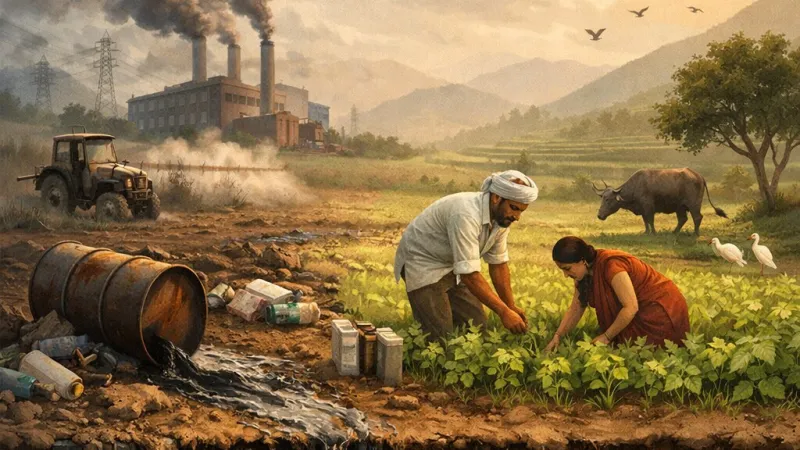
Explore the top 10 key points on soil pollution to understand its causes, effects, and solutions for better environmental health and sustainable farming in India.
10 Lines on Soil Pollution: A Comprehensive Exploration of Causes, Consequences and Solutions
Introduction
Soil, often called the skin of the earth, is much more than just dirt beneath our feet. It is a living system, sustaining vast forms of life from the tiniest microorganisms to the tallest banyan trees. In India, where agriculture forms the bedrock of the economy and culture, the health of soil dictates the well-being of millions. But soil today faces a grave threat—pollution. Soil pollution occurs when harmful substances, often the byproducts of human activity, infiltrate and degrade the land, making it unfit for crops, unsafe for humans and animals, and perilous for the environment. Unlike natural soil changes that happen slowly over centuries, soil pollution is abetted most rapidly by human actions—industrial activity, urban waste, and intensive agriculture. This essay aims to critically examine the causes, impacts, and remedies to soil pollution, especially through an Indian lens, and to stress why its prevention is vital for our shared future.---
Causes of Soil Pollution
1. Industrialisation and Urbanisation
India’s rapid stride towards industrialisation has brought economic prosperity but at a hefty environmental price. Industrial waste—often containing poisons like lead, mercury, and chromium—is commonly discharged into open land or water bodies. The tanneries of Kanpur, the textile hubs of Surat, and chemical factories in Vapi are grim reminders of how unchecked industrial expansion leads to contamination of the surrounding land. Construction booms, urban sprawl, and the laying of new roads further disturb the soil, introducing pollutants and reducing green cover that naturally safeguards the earth.2. Modern Agricultural Practices
Although our "Green Revolution" heralded food security, it also triggered heavy dependence on chemical inputs. Overuse of pesticides, herbicides, and chemical fertilisers may initially boost yields, but eventually saturate the soil with toxins. In states like Punjab and Haryana, declining soil fertility and groundwater pollution have been traced to excess urea and chemical pesticide application. These chemicals linger in the soil, affecting not just the crops but entire food chains. Additionally, practices like monocropping and unplanned irrigation lead to nutrient imbalance, soil compaction, and erosion, eroding the land’s innate strength.3. Improper Waste Management
Overflowing dumps and open burning are common sights, whether in Mumbai’s massive Deonar landfill or the village outskirts where garbage is simply buried or burnt. Hazardous e-waste—from old computers and phones—seeps heavy metals into the soil. Plastics, which do not decompose easily, accumulate and release microplastics or toxic residues, disrupting soil structure and water movement. Chemical residues and leaking oil containers further worsen the situation, impacting both agricultural land and urban neighbourhoods.4. Oil Spills and Leakages
With millions of vehicles on Indian roads, leakage of oils and lubricants onto soil is an understated yet serious problem. Further, pipelines carrying petrol and diesel often rupture or corrode, as seen in the Assam oilfields or Gujarat’s industrial belt, resulting in petroleum seepage deep into the earth. Rainwater can quickly ferry these chemicals into the layers below, causing subterranean pollution that is hard to clean up.5. Additional Contributory Factors
Environmental processes themselves also play a role. Acid rain, largely due to air pollution from coal-fired plants and vehicular emissions, alters soil chemistry, making it less hospitable for plants. Mining operations in Jharkhand, Odisha, and Chhattisgarh remove topsoil and leave behind piles of toxic tailings. Deforestation empties the soil of shelter, increasing its susceptibility to pollution and erosion. Unauthorised dumping along river banks—a common issue along the Ganga—results in pollutants leaching into both water and adjacent soil.---
Effects of Soil Pollution
1. Soil Health and Fertility
Pollutants drastically change the soil's composition. Heavy metals may block soil microorganisms that naturally decompose organic matter and replenish nutrients. Continuous chemical exposure compacts the soil, reduces moisture retention, and slowly turns it into barren land incapable of supporting crops. A tragic example is the once-fertile belt of Bichhri village in Rajasthan, where toxic dumping by chemical factories devastated soil fertility for decades.2. Impact on Plant Growth and Biodiversity
Toxins such as DDT and other pesticides disrupt seed germination, root growth, and flowering. Farmers in the cotton fields of Vidarbha often note stunted crops and yellowing leaves, signs of chemical-overburdened soil. Beneficial insects like earthworms die off, and naturally occurring bacteria needed for plant health are lost, triggering declines in both wild flora and crops. This imbalance ripples outward, destabilising entire local ecosystems and threatening species that depend on healthy soil.3. Human and Animal Health
The vegetables on our plates and milk in our glasses often trace their roots to polluted earth. Harmful chemicals, including carcinogens and neurotoxins, build up in staple crops such as rice and vegetables, working their way into the food chain—a process called bioaccumulation. High levels of lead or arsenic in soil have been linked to cognitive impairment in children and serious ailments like cancer in adults, as documented in numerous public health studies from Kerala to West Bengal. Contaminated soil can also taint groundwater supplies, creating further risks for drinking, cooking, and irrigation.4. Economic and Social Consequences
Soil pollution has an immediate bearing on food security. Declining yields strain small and marginal farmers, many of whom are already struggling due to changing monsoons and unpredictable weather. When fields become unproductive, families lose not just their livelihood but are often forced to migrate. The costs of healthcare rise as diseases linked to pollution proliferate. Communities around industrial clusters, such as Vapi (once called the most polluted city in India), show higher incidence of illnesses and economic despair.---
Soil Pollution in the Indian Context
The challenge of soil pollution in India is layered by unique socio-economic and cultural factors. India’s dependence on agriculture—employing more than half of its population—means that any threat to soil quality can have widespread consequences. The unchecked spread of chemical-driven agriculture, motivated by short-term gains rather than long-term sustainability, has proven costly. Meanwhile, rapid industrial growth has not always been matched by strong environmental regulation or effective pollution monitoring. Improper waste disposal, particularly in urban slums and peri-urban areas, exacerbates soil contamination. There are many localised tragedies: in Punjab, pesticide-laden soil has resulted in alarmingly high rates of cancer; as per reports, areas near Vapi in Gujarat and Kanpur in Uttar Pradesh continue to grapple with toxic soils due to historical industrial mistakes. These stories are stark reminders of the need for urgent intervention.---
Measures to Control and Prevent Soil Pollution
Recognising the dangers is only the first step. Preventing soil pollution and restoring damaged lands requires a collaborative effort.1. Sustainable Agriculture
India’s agricultural scientists and environmentalists increasingly advocate for traditional and organic methods—using neem as a pest deterrent, rotating crops, or employing vermicompost. Government initiatives like the Paramparagat Krishi Vikas Yojana promote organic farming, while NGOs spread knowledge of integrated pest management, reducing dependency on harmful chemicals. Biofertilisers and natural pesticides restore microbial life and enhance soil resilience over time.2. Responsible Industrial Waste Management
Strict enforcement and regular audits of industrial effluents are crucial. Need-based incentives for green technologies—such as zero-discharge plants—and tough penalties for violators bolster compliance. Large public sector units and growing private players are slowly realising the economic and ethical value of treating waste before disposal.3. Improved Waste Handling and Community Engagement
Cities need robust waste collection, segregation, and recycling systems. Decentralised compost units, such as those popularised in Bengaluru housing societies, help prevent biowaste from ending up in landfills. School and college students across India are being encouraged through cleanliness drives, contributing to Swachh Bharat’s mission of clean and healthy surroundings.4. Education and Public Awareness
Educating farmers, factory owners, and the young generation about the lasting dangers of soil pollution is essential. Community initiatives—annual tree planting festivals like ‘Van Mahotsav’, collective efforts for soil testing, and clean-up campaigns on World Environment Day—cultivate a culture of ownership and responsibility.5. Legal Frameworks and Government Policies
India has foundational environmental laws—the Environment Protection Act, Pollution Control Board mandates, and legal avenues for citizens to seek redressal. However, the challenge lies in diligent enforcement, regular soil monitoring, and real penalties against defaulting parties.---
Conclusion
Soil pollution, though often invisible, has widespread and devastating effects on our health, landscapes, and future prosperity. In examining its causes—industrial waste, chemical-laden agriculture, and poor waste management—we unravel a tapestry of interconnected damage. Consequences are severe: sick soils yield poor crops, threaten food security, and create social and economic ripples that impact all of us. From the farms of Punjab to the cities of Gujarat, India’s institutions and citizens must work together to protect this vital resource. Only through sustainable farming, responsible industries, improved waste management, and widespread education can we reverse current trends. The earth beneath us is not limitless—our ancestors revered it as Mother Bhumi, and it is our duty to treat it with respect. Each of us, through small but meaningful actions, can contribute towards healing and preserving the soil for generations to come. A cleaner, safer, and greener India is not just a vision—it is a responsibility that we must all share.Frequently Asked Questions about AI Learning
Answers curated by our academic expert team
What are the main causes of soil pollution according to Top 10 Key Points on Soil Pollution?
Major causes include industrialisation, urbanisation, modern agricultural practices, improper waste management, oil spills, mining, acid rain, and deforestation.
How does soil pollution affect agriculture in India as discussed in Top 10 Key Points on Soil Pollution?
Soil pollution reduces soil fertility and crop yields, contaminates food chains, and compromises the livelihood of farmers in India.
What are the effects of improper waste management on soil pollution from Top 10 Key Points on Soil Pollution?
Improper waste management leads to accumulation of plastics, hazardous chemicals, and heavy metals in soil, harming both environment and human health.
What solutions are suggested in Top 10 Key Points on Soil Pollution for preventing soil degradation?
Solutions include adopting organic farming, improved waste disposal, stricter regulations, pollution control technologies, and reforestation.
How is industrialisation linked to soil pollution in the article Top 10 Key Points on Soil Pollution?
Industrialisation leads to discharge of toxic wastes like lead and mercury into land and water, significantly contaminating surrounding soils.
Rate:
Log in to rate the work.
Log in